
Beautiful Plants For Your Interior
Beautiful Plants For Your Interior
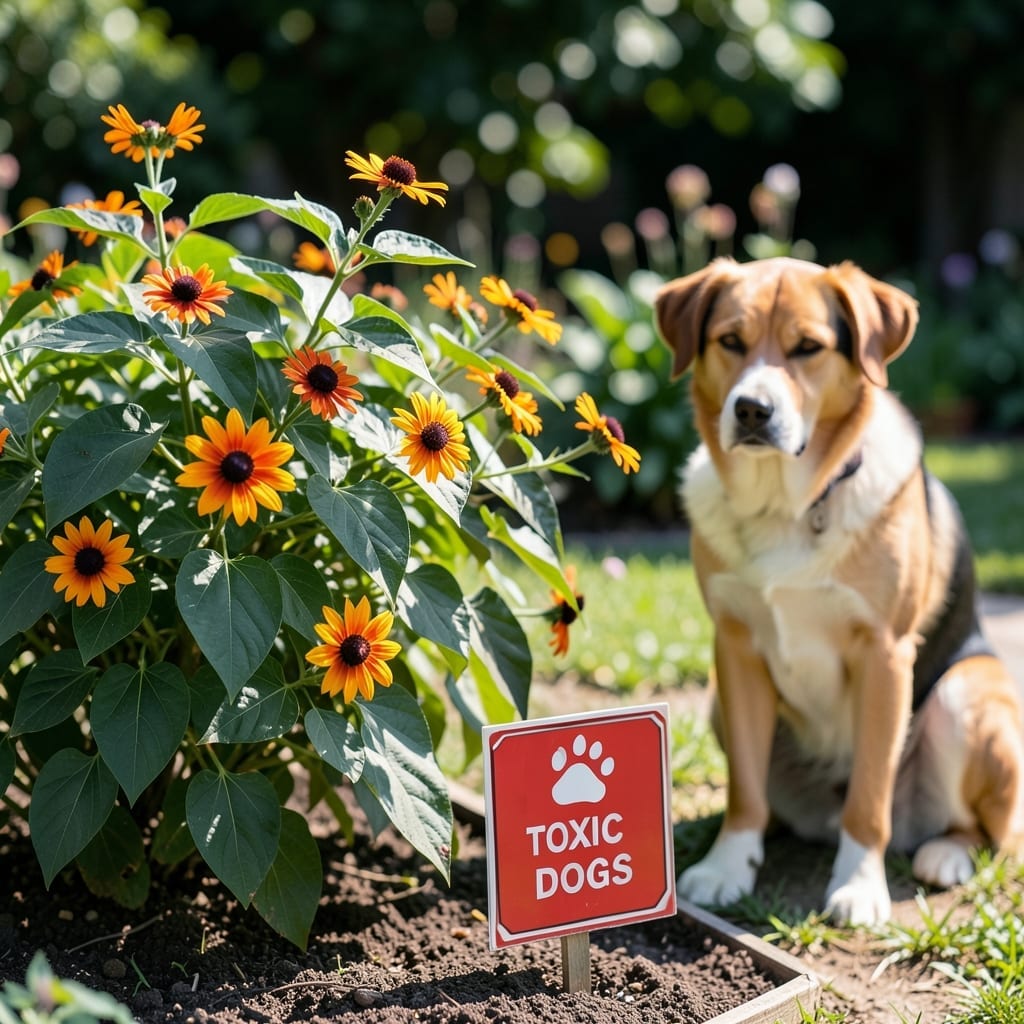
Black eyed Susan vine contains toxic compounds that can cause vomiting, diarrhea, and skin irritation in dogs if ingested. Immediate veterinary attention is recommended.
I’ve seen cases where curious pups nibble on garden plants out of boredom or curiosity. This vine’s toxicity comes from natural compounds like thunberginol that irritate a dog’s digestive system. Even small amounts can trigger stomach upset, so it’s wise to keep pets away from areas where it grows. 🌟
Creating a pet-safe garden means choosing alternatives like honeysuckle or jasmine instead. These provide beauty without the risk, and I always recommend supervising pets outdoors just to be safe. ✨
💡 In This Article
The primary culprits are thunberginol and sapogenins, natural compounds in the plant that disrupt cellular function. These toxins target the gastrointestinal tract first, causing irritation that leads to vomiting and diarrhea within 1-2 hours of ingestion. The severity often correlates with the amount consumed relative to the dog’s body weight.
Your dog’s skin can also react to these compounds through direct contact. The sap contains irritants that trigger dermatitis, appearing as red, itchy patches. This is particularly concerning for breeds with sensitive skin or those prone to allergies. Even brief exposure to the leaves or stems can cause discomfort that lasts for 24-48 hours. 🔥
What makes these toxins especially dangerous is their systemic effect. Beyond digestive distress, they can lead to dehydration and electrolyte imbalances if not treated promptly. In severe cases, the toxins may affect the liver and kidneys, though this typically requires ingestion of large quantities of plant material.
The plant’s toxicity isn’t limited to fresh material. Dried leaves and stems retain their toxic properties, meaning even wilted plants in your garden can pose a risk. This persistence is why complete removal of the plant is often recommended for households with dogs. The compounds remain stable for weeks after the plant is cut down.
Veterinary treatment typically involves inducing vomiting if ingestion occurred within the last 2 hours, followed by activated charcoal to absorb remaining toxins. IV fluids and anti-nausea medications help manage symptoms while the body processes the compounds. Recovery time varies but most dogs show improvement within 12-24 hours of treatment. ⚡
Look for red, itchy skin patches from dermatitis or vomiting and diarrhea if ingested. Symptoms typically appear within 1-2 hours.
Wear gloves to avoid skin irritation. Remove all plant material, including roots, and dispose in sealed bags. Check for regrowth weekly.
Yes! Try honeysuckle or jasmine for non-toxic, pet-friendly options. Both thrive in similar conditions.
Contact your vet immediately, even for small amounts. They may recommend inducing vomiting or activated charcoal to prevent absorption.