
Beautiful Plants For Your Interior
Beautiful Plants For Your Interior
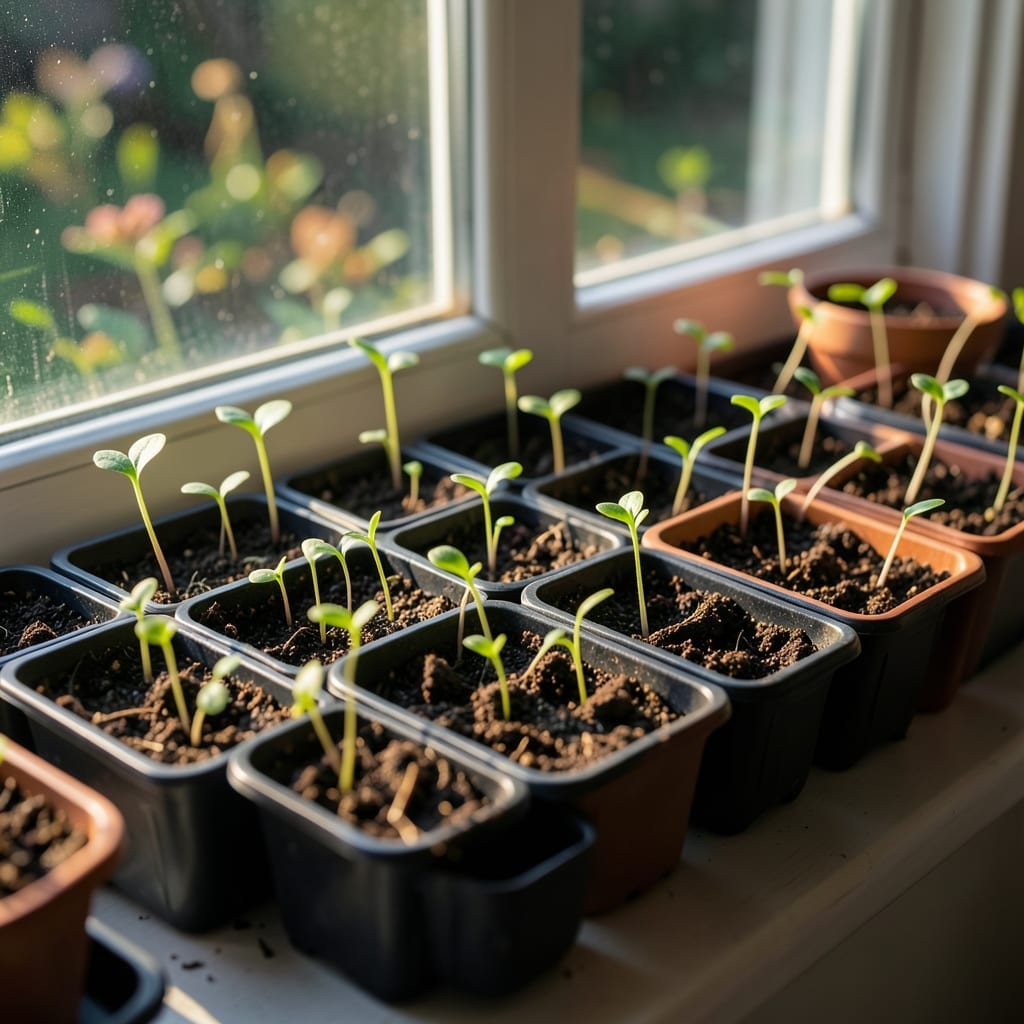
New gardeners often wonder: should their 🌱 Seedling get full sun? The answer isn’t simple—too much can scorch them, while too little leaves them weak.
Getting the light balance right is the key to strong, healthy growth. It’s a common mistake to assume all young plants need the same exposure.
I’ve seen firsthand how the wrong approach can set back weeks of progress. The good news? With a few adjustments, you can create ideal conditions.
Discover how to give your Seedling just what it needs to thrive, whether in Zone 6 or beyond. Let’s get started.

If you’re wondering should seedlings be in direct sunlight, the answer depends on the plant type and its maturity level. Most seedlings need a gradual introduction to sunlight to avoid shock.
For example, tomato seedlings thrive with 6-8 hours of direct sunlight daily, while lettuce seedlings prefer partial shade to prevent bolting.
| Variety | Sunlight Needs | Notes |
|---|---|---|
| Tomatoes | Full sun | 6-8 hours daily after hardening off |
| Peppers | Full sun | Needs warmth; avoid cold frames |
| Lettuce | Partial shade | 2-4 hours; bolts in heat |
| Spinach | Partial shade | Cool-season; tolerates less light |
| Basil | Full sun | Loves heat; 6+ hours ideal |
I always start seedlings indoors near a window with bright indirect light. This prevents sunburn on tender leaves while encouraging strong stem growth. ☀️
Once true leaves appear, I begin hardening off the seedlings by placing them outside for 1-2 hours in dappled sunlight. Gradually increase exposure over 7-10 days.
Herb seedlings like basil and cilantro need more light than leafy greens. Without enough sun, they grow leggy and weak, struggling to support themselves.
Flower seedlings vary widely. Marigolds and zinnias crave full sun, while impatiens prefer partial shade, especially in hotter climates.
For vegetable seedlings, tomatoes, peppers, and cucumbers are sun-worshippers. They’ll produce more fruit with 8+ hours of direct light daily.
If you’re growing seedlings indoors, a south-facing window is ideal. Rotate trays daily to ensure even growth and prevent them from leaning toward the light. 🌱
Remember, seedling light needs change as they grow. What works for sprouts won’t work for mature plants. Monitor their progress and adjust accordingly.
I’ve seen many gardeners struggle with light stress in seedlings. Leggy stems often mean they’re stretching for light, while yellow leaves can signal sunburn from too much direct exposure.
Wilting or stunted growth are other red flags. These symptoms tell you it’s time to adjust light conditions before permanent damage occurs.
→ Move to brighter location or add grow lights
→ Use shade cloth or reduce exposure
For sun-loving plants like tomatoes or peppers, I recommend gradual acclimation. Start with 2-3 hours of morning sun, increasing daily.
With shade-tolerant varieties like lettuce or spinach, dappled sunlight is often ideal. They’ll thrive with 4-6 hours of gentle exposure.
I always check my seedlings at midday for stress signs. This is when light intensity peaks, and problems become most visible.
Remember, consistency is key. Sudden changes in light exposure can shock your seedlings, so make adjustments slowly over 7-10 days ☀️🌱