
Beautiful Plants For Your Interior
Beautiful Plants For Your Interior
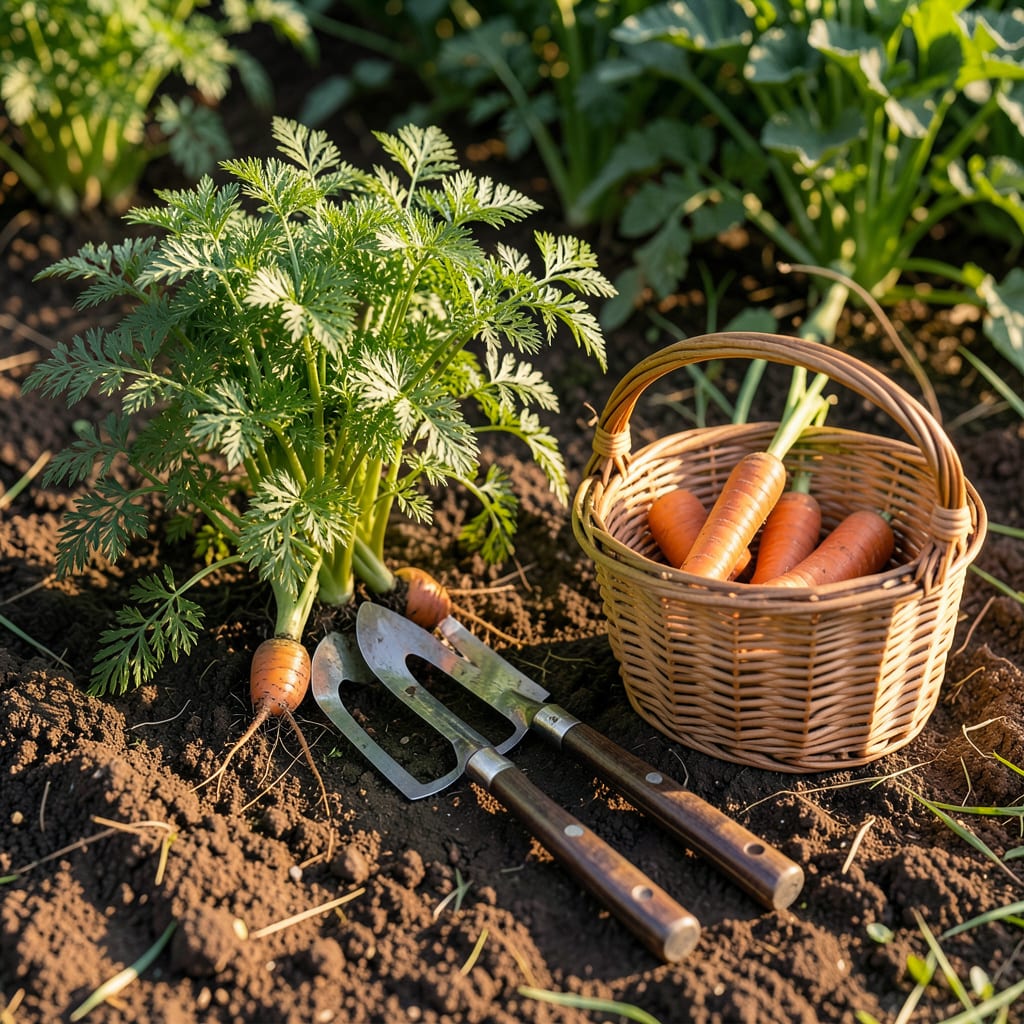
Nothing beats the satisfaction of pulling perfectly ripened 🥕 Beets and Carrots from your garden soil. But how do you know they’re truly ready?
I’ve learned that timing and visual cues make all the difference. Let me share the key signs that guarantee sweet, tender roots every time you harvest.


I always check for visible shoulders poking above the soil line. This is the first sign that your beets and carrots are nearing maturity. The roots naturally push up as they grow.
Another reliable indicator is the root diameter. For most varieties, 1-3 inches is ideal. I use my fingers to gently brush away soil around the base to check.
I find that color intensity is a great maturity indicator. Beets develop a deep red or purple hue, while carrots turn a vibrant orange. Pale colors often mean they need more time.
For beets, I watch for foliage changes. When the leaves begin to yellow slightly, it’s often a sign they’re ready. Carrots maintain green tops until harvest, so I rely more on size.
The days to maturity on your seed packet is a good guide. Most beets take 50-70 days, while carrots often need 60-80 days. I mark my calendar when I sow.
I always check the soil conditions before harvesting. If the ground is too wet, I wait to prevent compacting the soil. Dry conditions make pulling easier and reduce root damage.
For baby varieties, I harvest earlier. These can be ready in as little as 30-40 days for beets or 50 days for carrots. They’re perfect for quick, tender harvests.
I use a garden fork to gently loosen the soil around mature roots. This helps prevent breaking the roots during harvest, especially for longer carrot varieties.
Remember, size varies by variety. Some carrots naturally stay small, while others grow quite long. I always check the expected size for the specific type I planted.
Finally, I harvest in the cool morning hours when the soil is moist. This makes pulling easier and helps the roots retain moisture and freshness.
With these signs, I’m confident my beets and carrots will be perfectly ripe every time. The garden truly tells you when it’s time
I’ve found that harvesting beets early gives a tender, mild sweetness, while waiting until full maturity brings out deeper earthy flavors. The roots become more robust but slightly tougher as they grow.
Carrots are sweeter when harvested young, but their texture improves with age. Left too long, they can turn woody, so I aim for that perfect middle ground for the best balance.
Beets can be harvested young for baby greens or left to mature for storage. I prefer pulling them at 1.5-2 inches for the best texture and flavor combination.
Carrots taste best when harvested at 0.75-1 inch in diameter. Their sugar content is highest in cool weather, so I time my harvests for early morning or late evening.
I’ve noticed that overmature beets can develop a woody core, especially in hot weather. To avoid this, I check them regularly once they near their estimated maturity date.
For carrots, leaving them too long in dry soil can cause cracking. I
I always taste-test one or two before harvesting the whole crop. This helps me confirm the flavor and texture are just right for my preferences 🌱
I’ve seen gardeners make costly mistakes when harvesting these roots. Pulling too early gives pencil-thin results, while waiting too long leads to woody textures or cracking.
Another common error is harvesting in wet soil. This compacts the earth and makes pulling difficult. I always wait for dry conditions to make the process easier.
⚠️ Harvesting Pitfalls
Pulling in wet soil damages roots and compacts earth
Leaving carrots too long causes cracking and woody texture
Harvesting beets too small misses peak flavor development
I never yank roots by the foliage. This can break the tops and leave the roots stuck in the ground. Instead, I use a garden fork to loosen the soil first.
For long carrot varieties, I ensure the soil is deeply loosened. Trying to pull them from hard ground often results in broken roots. A little prep work prevents this.
I also avoid harvesting during the hottest part of the day. The stress can affect the roots’ quality. Early morning or late afternoon is ideal for both beets and carrots 🌱
Gently brush soil away from the base to check the shoulder diameter. For beets, look for 1.5-3 inches, while carrots are ready at 0.75-1.5 inches. Also check for vibrant color peeking through the soil.
Yes! Overmature beets develop a woody core, and carrots can crack or turn bitter. Carrots left past 80 days often lose sweetness, while beets beyond 90 days may become tough. Harvest promptly at peak size.
Early morning or late afternoon is ideal. The soil is cooler and moister, making roots easier to pull without damage. Avoid midday heat, which can stress the plants and affect flavor.
Stagger your harvest for continuous supply. Pull a few at peak readiness, then let others grow. This works especially well with baby varieties, which mature faster. Store harvested roots in cool, humid conditions.
