
Beautiful Plants For Your Interior
Beautiful Plants For Your Interior
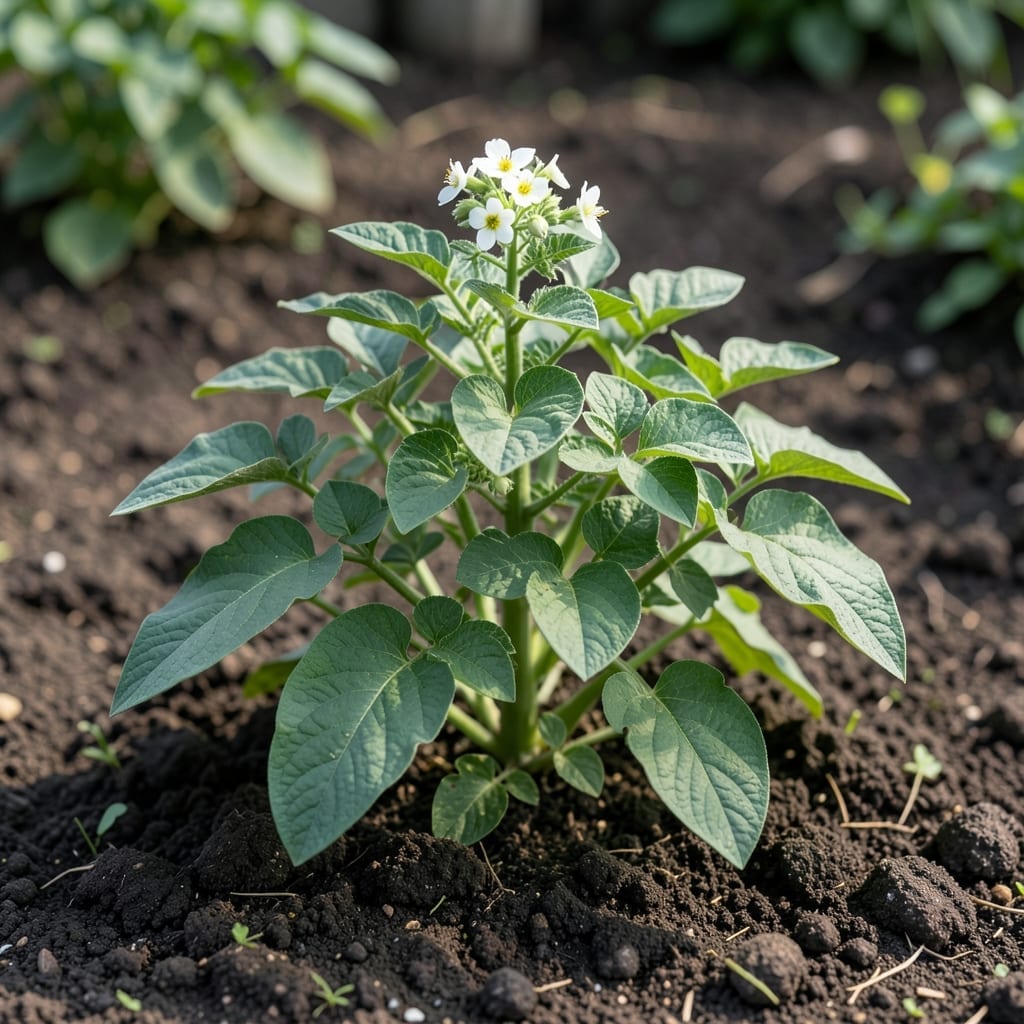
Potatoes are a staple in many gardens, but their sunlight needs often spark confusion. Do they truly require full sun, or can they thrive in partial shade?
I’ve seen gardeners struggle with this question, especially when dealing with limited space or shady areas. The good news is that 🥔 Potato plants are more adaptable than you might think.
Understanding their ideal conditions can make a big difference in your harvest. While they do best with plenty of light, there are ways to work around less-than-perfect conditions.
Let me walk you through what you need to know to grow healthy, productive Potato plants, regardless of your garden’s sun exposure.

If you’re growing potatoes in your garden, sunlight is one of the most critical factors for a successful harvest. I’ve found that full sun is ideal, but the specifics matter more than you might think.
Potatoes thrive with 6-8 hours of direct sunlight daily. This isn’t just a suggestion—it’s a necessity for maximizing tuber production and ensuring healthy plant development.
| Requirement | Specification |
|---|---|
| Ideal Sunlight | 6-8 hours daily |
| Light Type | Direct sunlight |
| Minimum Light | 4-6 hours |
| Signs of Poor Light | Leggy stems, small tubers |
| Best Window Direction | South-facing |
In my experience, less than 6 hours of sun often leads to spindly plants and underdeveloped tubers. The photosynthesis process in potatoes is highly dependent on ample light.
When potatoes don’t get enough light, they focus energy on foliage growth rather than tuber formation. This means you’ll end up with lush green tops but fewer, smaller potatoes underground.
I’ve noticed that morning sunlight is particularly beneficial. It helps dry the foliage quickly, reducing the risk of fungal diseases like early blight. ☀️
If your garden has partial shade, don’t lose hope. Some early-maturing varieties, like Yukon Gold or Red Pontiac, can tolerate 4-6 hours of sun and still produce a decent crop.
However, for the best yields, stick to full-sun locations. I always recommend testing different spots in your garden to see where potatoes perform best.
Another tip: Avoid planting potatoes in areas with heavy tree cover or north-facing slopes. These spots often receive insufficient light for optimal growth.
If you’re growing in containers,
Remember, consistent sunlight is key. Even a few days of overcast weather can slow down growth, so plan accordingly. 🌱
As a gardener, I’ve learned that while potatoes thrive in full sun, they can tolerate some shade. They’ll grow in partial shade, but yields may be smaller. The key is ensuring they still get at least 4-6 hours of sunlight daily.
If your garden has limited sun, choose early-maturing varieties like Yukon Gold or Red Pontiac. These adapt better to lower light conditions and still produce a decent harvest. Just don’t expect the same abundance as in full sun.
I’ve found that morning sunlight is most beneficial for potatoes in shady spots. It’s less intense than afternoon sun, reducing the risk of heat stress while still providing the energy they need for tuber development.
Another trick I use is planting in containers. This lets me move the potatoes to sunnier spots as the day progresses, maximizing their light exposure. Even a balcony or patio with decent sunlight can work.
Keep in mind that poor light exposure often leads to smaller tubers and longer maturity times. If you notice your plants looking leggy or weak, it’s a sign they need more sun.
Finally, ensure the soil is well-draining and fertile. In shady areas, moisture can linger, so good drainage prevents rot or disease. A little extra care goes a long way in less-than-ideal conditions. ☀️