
Beautiful Plants For Your Interior
Beautiful Plants For Your Interior
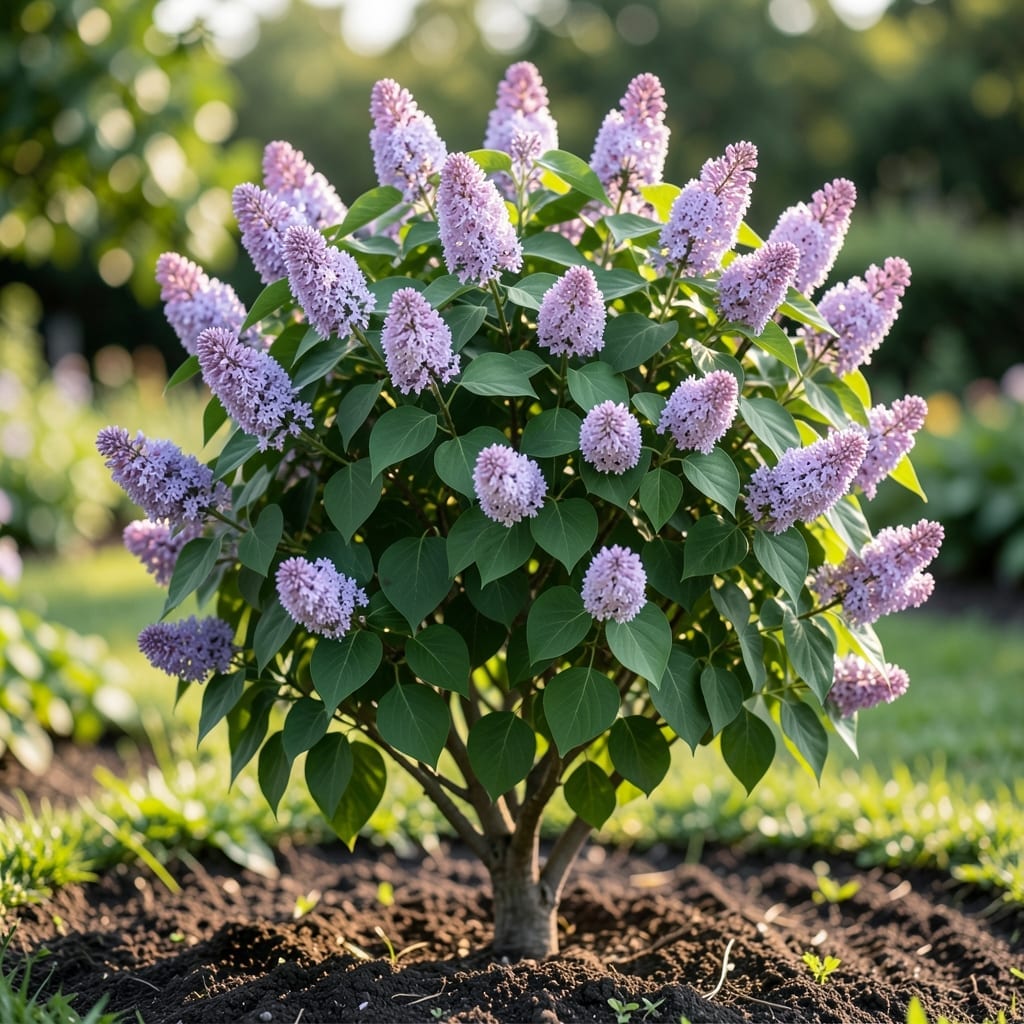
There’s nothing quite like the intoxicating scent of lilacs in full bloom, but achieving that requires the right conditions. The 🌸 Lilac isn’t just another pretty shrub—it’s particular about where it grows.
From sunlight to soil, every detail matters when cultivating these fragrant beauties. Whether you’re a seasoned gardener or just starting out, getting the basics right will set you up for success.
Discover how to create the perfect environment for your lilacs to thrive and reward you with those stunning spring blooms you love.
If you want your lilacs to burst with color and fragrance, sunlight is the first condition to nail. These shrubs are sun worshippers, thriving in 6+ hours of direct light daily. Anything less, and you’ll see sparse blooms and weak growth.
Lilacs are hardy in USDA zones 3-7, making them perfect for cooler climates. They prefer regions with cold winters to trigger blooming, so mild climates might require special varieties like ‘Lavender Lady’ for better results. ☀️
| Requirement | Specification |
|---|---|
| Sunlight | 6+ hours daily |
| Hardiness Zones | 3 to 7 |
| Ideal Climate | Cold winters, moderate summers |
| Microclimate Tip | Avoid low-lying frost pockets |
While lilacs love sun, they can tolerate light afternoon shade in hotter zones. However, too much shade leads to fewer flowers and leggy growth. If your garden has partial shade, choose dwarf varieties like ‘Bloomerang’ for better adaptability.
Temperature plays a big role too. Lilacs need a winter chill period to set buds, so temperatures below 40°F for several weeks are ideal. In warmer areas, look for re-blooming varieties to extend the flowering season.
Microclimates matter more than you think. A south-facing wall can provide extra warmth, while a north slope might stay too cold. Observe your garden’s patterns—lilacs near paved areas may bloom earlier due to heat reflection.
Don’t overlook wind exposure. Lilacs appreciate shelter from strong winds, which can damage delicate blooms. Planting near a fence or building can provide protection without blocking sunlight. 🌬️
If you’re in zone 8 or warmer, don’t despair. Some heat-tolerant lilacs like ‘Desert Rose’ can handle higher temperatures. Just ensure they get morning sun and afternoon shade to prevent scorching.
For the best results, test your garden’s conditions before planting. Use a sunlight calculator to track hours of direct light, and monitor temperature swings. Lilacs reward patience—give them the right start, and they’ll flourish for decades.
Remember, even the hardiest lilac struggles in poorly drained soil or extreme heat. Pair your sunlight and climate knowledge with proper soil prep, and you’ll be enjoying those fragrant blooms every spring. 🌸
For lilacs to thrive, the right soil conditions are just as important as sunlight. These shrubs prefer well-draining soil with a pH between 6.5-7.5, leaning slightly alkaline. Heavy clay or waterlogged soil spells trouble for their roots.
Before planting, I always test my soil’s pH. If it’s too acidic, adding lime can help balance it. Lilacs also appreciate nutrient-rich soil, so mixing in compost or aged manure gives them a strong start. 🌱
⚠️ Warning: Avoid soggy or compacted soil—lilacs hate “wet feet” and will suffer from root rot. Always plant in a spot with good drainage to prevent waterlogging.
When planting, dig a hole twice as wide as the root ball but no deeper. This gives the roots room to spread. Space shrubs 5-15 feet apart, depending on the variety’s mature size—dwarf types need less space than standard ones.
After planting, I mulch around the base with 2-3 inches of organic mulch to retain moisture and suppress weeds. Just keep the mulch a few inches away from the trunk to prevent rot. This simple step makes a big difference in their growth. 🌿
If your soil is poor, don’t worry. Lilacs are adaptable and can grow in less-than-ideal conditions, but they may not bloom as abundantly. Amending the soil with organic matter before planting will give you the best results.
Finally, avoid planting lilacs near downspouts or low areas where water collects. Standing water is their biggest enemy. With the right soil prep and planting techniques, your lilacs will reward you with years of vibrant blooms and fragrance. 🌷