
Beautiful Plants For Your Interior
Beautiful Plants For Your Interior
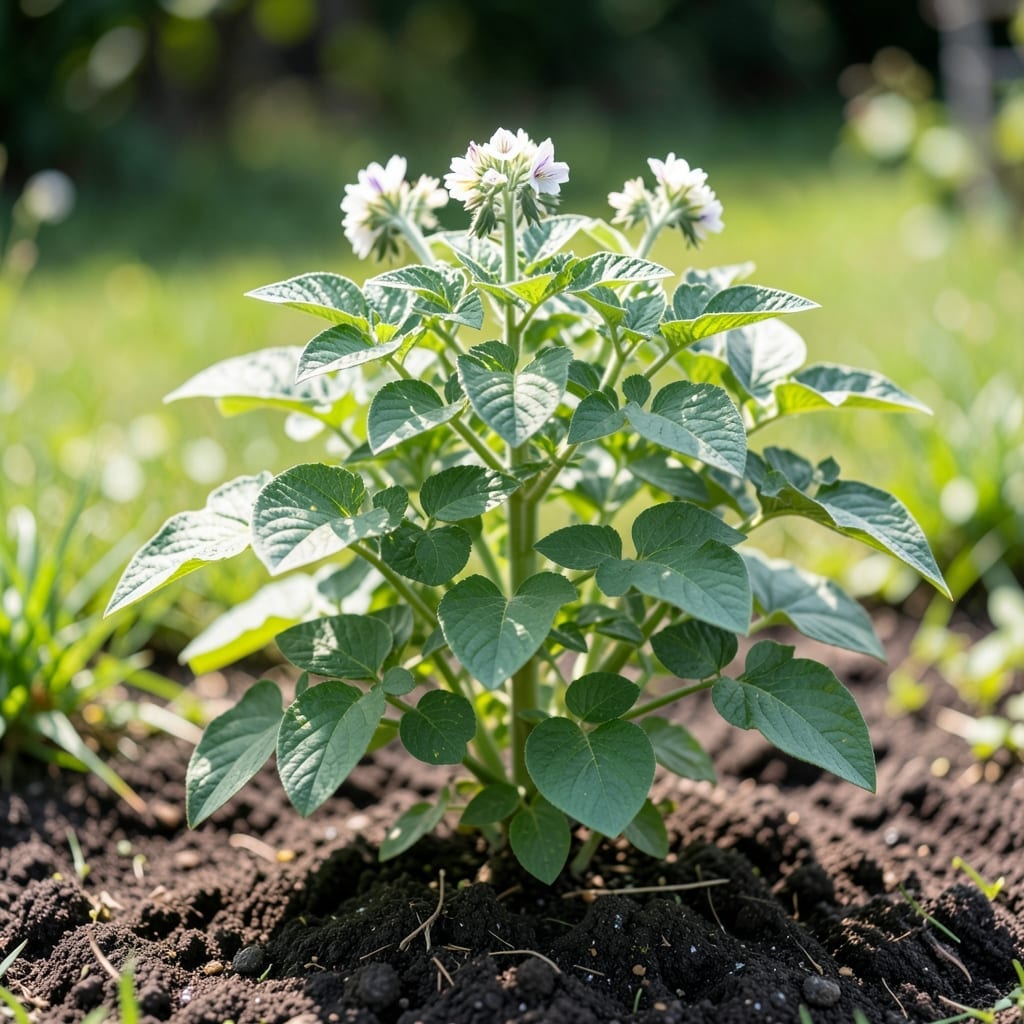
Growing potatoes successfully starts with one critical factor: sunlight. Whether you’re a first-time gardener or looking to boost your harvest, getting the light conditions right can make or break your 🥔 crop.
I’ve seen how even small adjustments in sun exposure can dramatically affect your yield. The difference between a mediocre harvest and a bumper crop often comes down to understanding your potato plants’ needs.
Discover the exact sunlight requirements for thriving potatoes and how to adapt them to your garden’s conditions. Let’s dig into what works best for this versatile vegetable.

Potatoes thrive when they receive the right amount of sunlight daily. As a vegetable that relies heavily on photosynthesis, getting the light conditions right is non-negotiable for strong growth and a bountiful harvest. ☀️
In my experience, 6-8 hours of direct sunlight is the sweet spot for most potato varieties. This ensures the plants can produce enough energy to develop healthy tubers underground while maintaining robust foliage above. 🌱
| Requirement | Specification |
|---|---|
| Minimum Sunlight | 6 hours daily |
| Optimal Sunlight | 8 hours daily |
| Light Type | Direct sunlight |
| Early Varieties | Tolerate 6 hours |
| Late Varieties | Need 8+ hours |
Early potato varieties, like Yukon Gold or Red Pontiac, can manage with slightly less sun—around 6 hours daily. However, late-season varieties such as Russets or Sweet Potatoes demand closer to 8 hours for maximum yield. ✂️
The intensity of sunlight also matters. In hotter climates, potatoes may benefit from morning sun and some afternoon shade to prevent scorching. In cooler regions, full sun exposure throughout the day is ideal for optimal growth.
Sunlight directly impacts tuber formation. With insufficient light, potatoes may produce smaller tubers or fewer of them. I’ve noticed that plants in shadier spots often have longer stems and weaker foliage, struggling to support underground growth.
For gardeners with limited space, container-grown potatoes can be positioned to follow the sun. Rotate pots regularly to ensure even light distribution on all sides, which helps prevent lopsided growth and promotes uniform tuber development.
If your garden has partial shade, consider planting potatoes where they’ll get morning sun and dappled afternoon light. This setup can still yield decent results, though you might see a 20-30% reduction in harvest compared to full sun conditions.
Monitor your plants closely. Healthy potato plants in ideal sunlight will have vibrant green leaves, strong stems, and a bushy appearance. If you notice pale or yellowing leaves, it might be a sign they’re not getting enough light.
Remember, potatoes are adaptable plants, but their productivity is closely tied to sunlight. By prioritizing their light needs, you’ll set the stage for a successful harvest of plump, flavorful tubers. 🌿
Even with the best intentions, potatoes can struggle if they’re not getting enough sunlight exposure. The first sign I notice is yellowing leaves, often starting at the bottom of the plant and working upward. ☀️
Another red flag is stunted growth. If your potato plants seem smaller than expected or have weak stems, they might be starved for light. This often leads to smaller tubers or a significantly reduced harvest.
⚠️ Warning: Sunlight Deficiency
Yellowing leaves, stunted growth, and small tubers are classic signs your potatoes need more light. Act fast to prevent poor yields.
If you spot these issues, try relocating your plants to a sunnier spot. Even moving pots or adjusting garden beds by just a few feet can make a big difference in light exposure. 🌱
For in-ground plants, consider using reflective mulch like silver plastic or straw to bounce extra light onto the foliage. This simple trick can boost light intensity, especially in partially shaded areas.
Another solution is adjusting planting times. If your garden gets morning sun but afternoon shade, plant potatoes where they’ll catch those early rays. Morning sunlight is often more beneficial than harsh afternoon light.
In extreme cases, you might need to prune nearby plants or trees casting shade. Just be careful not to remove too much foliage, as this can expose potatoes to sudden intense sunlight, which can also stress them.
Remember, potatoes are resilient, but they thrive in full sun. By addressing light issues early, you can still salvage a decent harvest and set your plants up for success. 🌿