
Beautiful Plants For Your Interior
Beautiful Plants For Your Interior
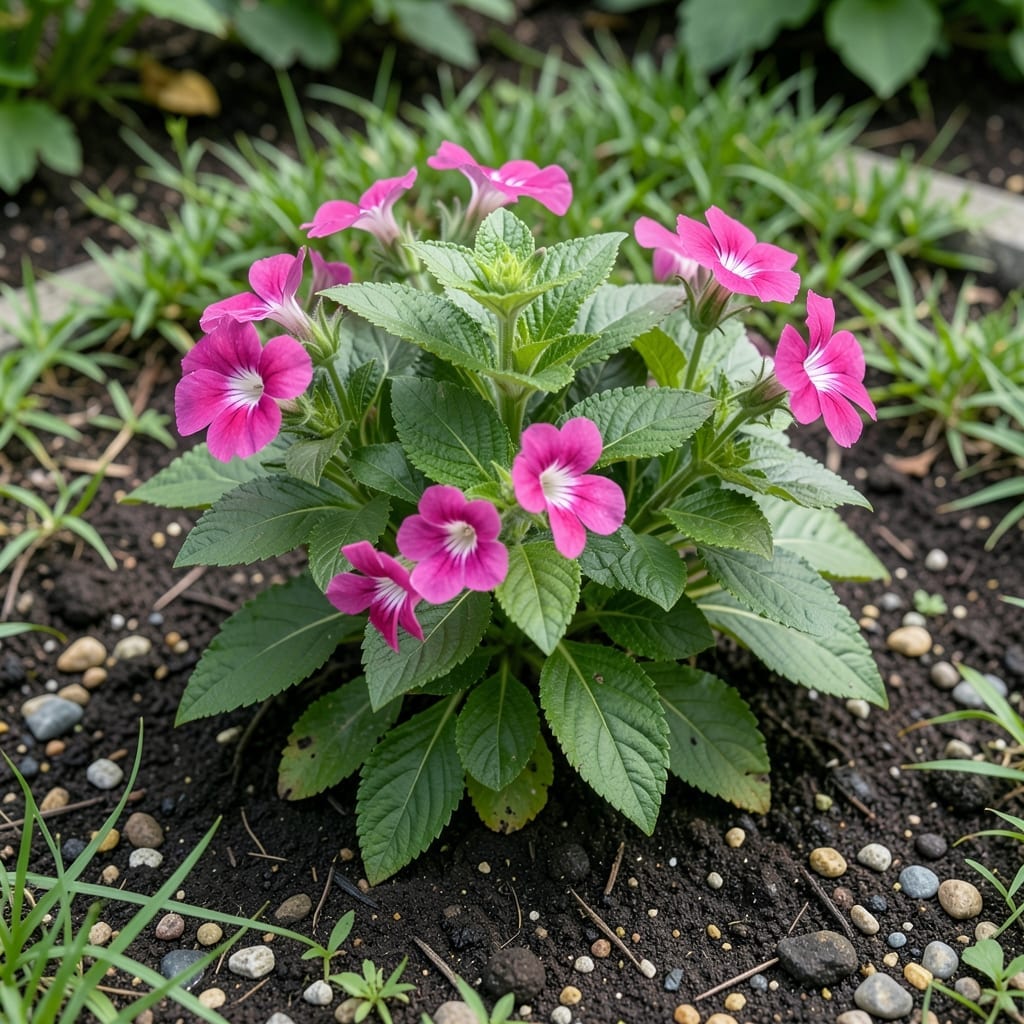
I’ve seen too many gardens struggle with wilted 🌸 Impatiens because of one simple misunderstanding about their light needs. These colorful annuals have a reputation for being shade-lovers, but there’s more to the story.
Getting their sunlight conditions right is the difference between thriving blooms and disappointed gardeners. The good news? It’s easier than you might think to create their ideal environment.
Let me walk you through exactly what these popular plants need to flourish. You’ll discover the sweet spot between sun and shade that keeps them vibrant all season long.
 Best Window Placement
If you’ve ever wondered whether impatiens need sun or shade, the answer leans heavily toward shade. These vibrant annuals are classic shade plants that thrive in conditions where many others struggle to bloom.
In my experience, impatiens perform best with 2-4 hours of filtered sunlight or morning sun, followed by afternoon shade. This balance prevents their delicate petals from scorching while still encouraging robust growth.
| Light Condition | Impact on Impatiens |
| Full Shade | Thrives with lush foliage, fewer blooms |
| Partial Shade | Ideal: abundant blooms, healthy growth |
| Full Sun | Wilts quickly, scorched leaves, poor blooming |
Direct midday sun is the enemy of impatiens. Their leaves can scorch in just a few hours, turning crispy and brown. I’ve seen this happen even in zone 6 gardens where summers are moderate.
For the best results, plant impatiens where they receive morning sunlight and protection from the intense afternoon rays. An east-facing location is perfect for this balance.
Filtered light through tree canopies mimics their native habitat. This dappled sunlight allows them to photosynthesize without the stress of direct exposure.
If your garden gets 6+ hours of sun, impatiens aren’t the right choice. Instead, try sun-loving annuals like marigolds or zinnias in those spots.
In full shade, impatiens will grow but may produce fewer flowers. To compensate, I recommend fertilizing every 2 weeks with a balanced 10-10-10 formula.
Remember that container-grown impatiens need the same light conditions. A north-facing balcony or shaded patio works wonderfully for these versatile plants.
By matching their light preferences, you’ll enjoy continuous blooms from spring until the first frost. Their vibrant colors will brighten even the darkest corners of your garden.☀️
When planting impatiens in partial shade, I always start by choosing a location with morning sun and afternoon protection. This combination keeps them happy and blooming profusely.
The ideal spot gets 2-4 hours of gentle sunlight, like under a tree canopy or along an east-facing wall. Their colorful flowers will reward you with continuous color in these conditions.
Well-draining soil is crucial for impatiens, as they dislike soggy roots. I mix in organic matter before planting to improve both drainage and fertility.
For container gardening, use pots with drainage holes and a quality potting mix. These versatile plants do wonderfully in hanging baskets or window boxes in shady locations.
Companion plants like ferns and hostas make excellent partners. They share the same love for shade and moist soil, creating a lush, layered garden display.