
Beautiful Plants For Your Interior
Beautiful Plants For Your Interior
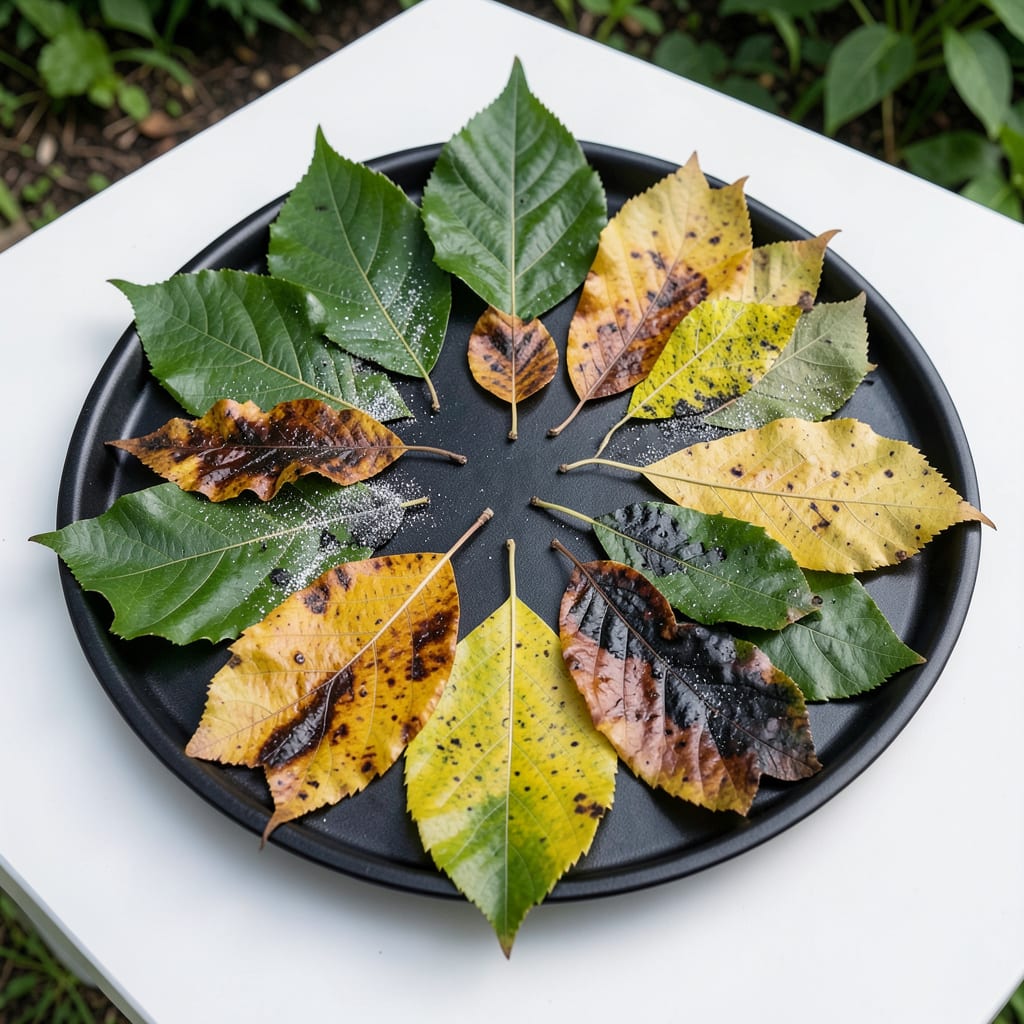
Spotted yellow leaves on your elm aren’t just unsightly—they’re a distress signal. I first noticed the subtle changes in my backyard elm during early summer, and catching it early made all the difference.
Most leaf diseases start with discoloration, spots, or premature dropping. The good news is organic remedies like neem oil or copper fungicides work surprisingly well when applied at the first sign of trouble.
Healthy elms begin with prevention: proper watering, good air circulation, and removing fallen leaves. These simple habits stop most issues before they spread through the canopy.
Your tree can recover with the right approach. The key is acting before the damage becomes severe.
Elm tree leaf diseases often stem from a mix of environmental stressors, fungal invaders, and poor cultural practices. Here’s a breakdown of the most common causes:
Many elm leaf diseases, such as Dutch elm disease and elm leaf spot, are caused by fungal pathogens. Ophiostoma ulmi and Ophiostoma novo-ulmi are notorious for clogging the tree’s vascular system, starving it of water and nutrients.Meanwhile, Stegophora ulmea triggers unsightly black spots on leaves, weakening the tree over time. These fungi thrive in damp, poorly ventilated conditions.
Elms under stress are more susceptible to disease. Drought, waterlogging, or extreme temperature swings can compromise a tree’s natural defenses. Weakened trees struggle to fend off opportunistic pathogens, making them prime targets for infection. Poor soil quality, such as compacted or nutrient-deficient soil, further exacerbates the problem.
Insects like the elm bark beetle play a direct role in spreading fungal diseases. These beetles bore into the tree, creating entry points for pathogens. Their feeding and breeding habits disrupt the tree’s ability to transport water and nutrients, accelerating decline. Regularly inspecting for beetle activity can help prevent outbreaks.
Improper pruning, overcrowding, or lack of sanitation can invite disease. Pruning at the wrong time (e.g., during active beetle seasons) or with unsterilized tools can introduce infections. Additionally, planting elms too closely together reduces airflow, creating a humid microclimate that fungi love.
Dealing with diseased elm tree leaves starts with identifying the exact issue and applying targeted fixes. Below are practical solutions for common problems, along with prevention tips to keep your trees healthy.
Fix: Prune infected branches immediately using sterilized tools to prevent spread. For severe cases, apply a copper-based fungicide or neem oil spray every 7–10 days until symptoms subside. Remove and destroy fallen leaves to eliminate fungal spores.
Prevention: Improve airflow by thinning branches, and avoid overhead watering. Plant disease-resistant elm varieties like Prunus serrula if replanting.
Fix: Blast pests off leaves with a strong water spray or apply insecticidal soap or horticultural oil. For beetles, use pyrethrin-based sprays at dusk when they’re most active.
Prevention: Encourage natural predators like ladybugs and lacewings. Apply a layer of mulch to disrupt beetle larvae in the soil.
Fix: Deep-water trees during dry spells (1–2 inches per week) and mulch the base to retain moisture. For nutrient deficiencies, amend soil with compost or a balanced slow-release fertilizer.
Prevention: Test soil pH (aim for 6.0–7.5) and plant elms in well-draining locations. Avoid compacting soil around roots.
Fix: There’s no cure, but prune affected branches to slow progression. Support tree health with regular watering and fertilization to boost resistance.
Prevention: Remove heavily infected trees to protect others. Disinfect pruning tools between cuts with rubbing alcohol.
Pro Tip: 🎯 Always inspect new plants for signs of disease before introducing them to your landscape. Early action saves time—and trees!
Look for yellowing, dark spots, or premature leaf drop. Black or brown patches often signal fungal infections, while curled or distorted leaves may indicate pest damage. Inspect both sides of leaves for accuracy.
Neem oil or copper fungicides work well for most fungal issues. Apply at 7-10 day intervals during active growth. Always test on a small area first to avoid leaf burn.
Yes! Waterlogged soil creates perfect conditions for fungal growth. Elms prefer 1-2 inches of water weekly, including rainfall. Ensure good drainage to prevent root stress.
Prune in late winter or early spring when beetles are inactive. Always sterilize tools between cuts with rubbing alcohol to prevent spreading pathogens.
