
Beautiful Plants For Your Interior
Beautiful Plants For Your Interior
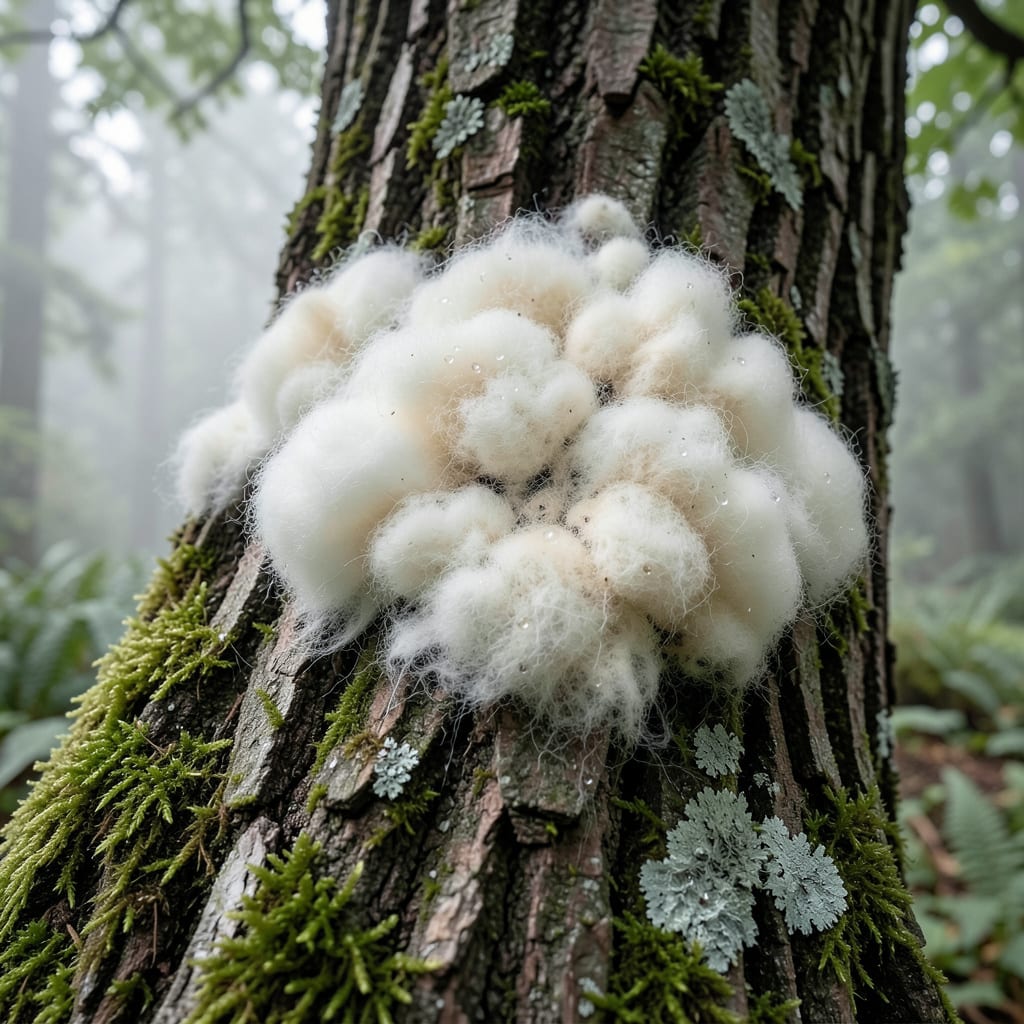
Spotting white growth on your tree can feel alarming. I’ve seen powdery mildew, lichen, and even mealybugs create this look, and each needs a different approach to fix.
First, look closely—is it fuzzy, crusty, or cottony? That tells you whether it’s fungal, bacterial, or pest-related. Most cases start small, so catching it early saves you a lot of trouble.
Organic treatments work surprisingly well here. A simple spray of neem oil or baking soda solution often knocks it out without harsh chemicals. The key is consistency and timing.
Prevention is easier than you think. Better airflow, proper watering, and keeping the tree healthy usually stops it from coming back. Let’s figure out what you’re dealing with.
White growth on trees can stem from several biological and environmental factors. Understanding the root cause helps you address the issue effectively.
Many white growths are fungi, such as Phyllactinia (powdery mildew) or Inonotus (a shelf fungus). These thrive in moist, shaded environments and spread through airborne spores. Fungi decompose organic matter, often appearing as fuzzy or crusty white patches on bark, leaves, or branches. Poor air circulation and high humidity accelerate fungal growth.
Certain pests, like mealybugs, scale insects, or aphids, secrete white, waxy substances as they feed on tree sap. These pests cluster on stems, leaves, or bark, creating cottony or powdery white deposits. Their sticky honeydew residue can also attract sooty mold, a secondary black fungus that compounds the problem.
Trees under stress from drought, overwatering, or nutrient deficiencies may develop white growths as a defensive response. For example, lichen—a symbiotic organism of algae and fungi—often colonizes weakened trees. While lichen itself is harmless, its presence signals an underlying issue with the tree’s health.
In rare cases, white growths result from chemical residues, such as lime or pesticides, applied to the tree. These can create a chalky or powdery appearance on the bark. Improper application or overuse of these substances may harm the tree and attract additional pests or diseases.
Addressing white growth on trees starts with identifying the cause and applying targeted solutions. Below are practical fixes for common issues, along with prevention tips to keep your trees healthy.
If the white growth is a fungus like powdery mildew or lichen, remove infected branches with sterilized pruners. Dispose of the debris far from the tree to prevent reinfection. Apply a copper fungicide or a homemade solution of 1 tbsp baking soda + 1 tsp dish soap in a gallon of water, spraying thoroughly. Prevention tip: 💡 Improve air circulation by thinning branches and avoiding overhead watering.
White, cottony masses may indicate pests like mealybugs or scale insects. Wipe them off with a cotton swab dipped in rubbing alcohol or spray with neem oil. For severe cases, introduce natural predators like ladybugs. Prevention tip: ✨ Inspect trees regularly, especially under leaves, and keep the area free of debris where pests hide.
White growth can result from stress due to drought, overwatering, or poor soil. Test soil moisture and adjust watering—aim for 1–2 inches of water per week, including rainfall. Mulch around the base to retain moisture but avoid piling it against the trunk. Prevention tip: 🌡️ Use a soil pH test kit to ensure the tree’s needs are met (most trees thrive in slightly acidic to neutral soil).
If the growth is from pesticide or fertilizer buildup, gently scrub the trunk and branches with a mild soap and water solution, then rinse. Avoid harsh chemicals that can damage bark. Prevention tip: 🎯 Always follow label instructions for garden chemicals and apply them during calm weather to prevent drift.
Not always. Some white growths, like lichen, are harmless and just indicate the tree may need better care. Fungal infections and pests, however, can damage the tree over time.
Fungal growth often looks fuzzy or powdery, while pests like mealybugs create cottony clusters. Check for sticky residue (honeydew) with pests or circular patches with fungi.
Yes! A mix of 1 tbsp baking soda + 1 tsp dish soap in a gallon of water works for fungi. For pests, neem oil or rubbing alcohol on a cotton swab is effective.
Improve airflow with pruning, avoid overhead watering, and maintain soil health. Regular inspections help catch new growths early.
