
Beautiful Plants For Your Interior
Beautiful Plants For Your Interior
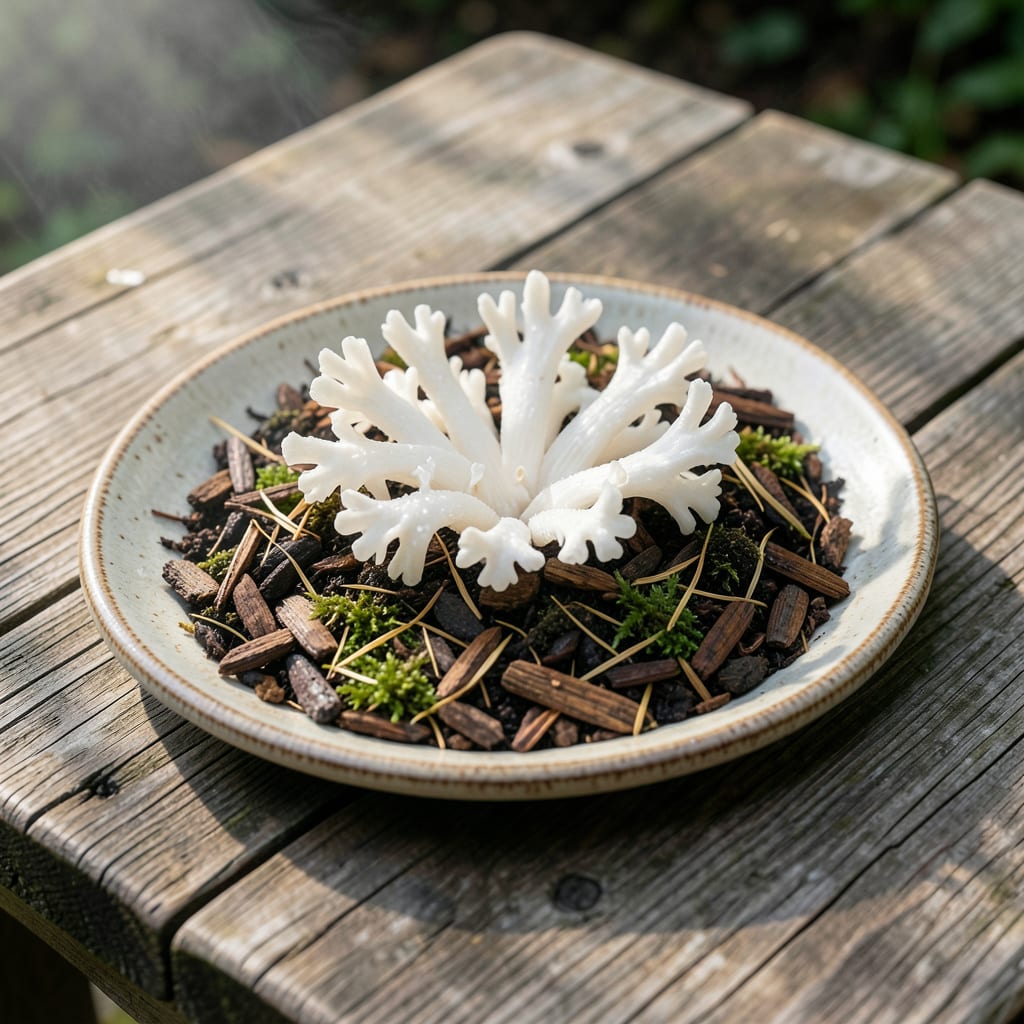
White fungus on mulch looks alarming, but it’s usually harmless to plants. I’ve dealt with it in my own garden—it’s a sign your mulch is doing its job, breaking down naturally.
The issue often comes from too much moisture or poor airflow. While it won’t hurt your plants, it’s not exactly pretty. The good news? A few simple tweaks to your mulching routine can fix it fast.
You’ll see the white strands disappear within a week or two once you adjust conditions. Proper mulching depth and occasional turning prevent it from coming back.
Works for any mulch type, from wood chips to straw. Here’s how to tackle it the natural way.
White fungus on mulch typically appears due to a combination of environmental and biological factors. Below are the most common causes, explained with actionable insights.
Fungal spores thrive in damp conditions. Overwatering, poor drainage, or heavy rainfall can saturate mulch, creating an ideal breeding ground for white fungus like Saprophytic fungi. These organisms decompose organic matter, and excess moisture accelerates their growth.
Mulches made from wood chips, bark, or straw are rich in cellulose and lignin—compounds that fungi break down. Fresh, uncomposted organic mulch is especially prone to fungal colonization because it retains more moisture and nutrients, feeding microbial activity.
White fungus flourishes in temperatures between 70–90°F (21–32°C) with high humidity. These conditions speed up spore germination and mycelium spread. Shaded areas with limited airflow further exacerbate the problem by trapping moisture.
Compacted mulch or thick layers (over 3–4 inches) restrict airflow, preventing the surface from drying. Stagnant air and trapped moisture create a microclimate perfect for fungal growth. Regularly fluffing mulch can disrupt this environment.
Actionable Tip: Ensure mulch layers are loose and no thicker than 2–3 inches to promote drying and deter fungi.
White fungus on mulch is unsightly but manageable with the right approach. Below are targeted solutions for common causes, along with prevention tips to keep your garden healthy.
If the fungus is thriving due to soggy mulch, start by raking the affected area to aerate and dry it out. For severe cases, replace waterlogged mulch with fresh, dry material. To prevent recurrence, ensure proper drainage by:
Fungus often grows on decomposing leaves or wood. Clear away old mulch and debris where fungus appears, then apply a fresh layer of high-quality mulch. Opt for cedar or pine bark, which naturally resist fungi. Prevention tip: Regularly rake mulch beds to disrupt fungal growth. ✨
Compacted mulch traps moisture and encourages fungus. Use a garden fork to loosen the top layer and improve circulation. For mulch around plants, leave a small gap (1–2 inches) between the mulch and stems to reduce humidity. Prevention tip: Avoid piling mulch against tree trunks or shrubs. 🎯
If your mulch is too acidic (common with pine needles), test the pH and amend it with lime or wood ash to neutralize. For prevention, mix acidic mulch with neutral options like shredded hardwood. 🌡️
Yes, it’s generally harmless to plants and soil. The fungus is breaking down organic matter, which actually benefits your garden. However, it can spread quickly in wet conditions, so addressing moisture is key.
Keep mulch layers at 2–3 inches max and rake it regularly to improve airflow. Water in the morning so mulch dries faster. Avoid piling mulch against plant stems or tree trunks.
Yes, a 1:1 water-vinegar solution can help, but use sparingly—it may lower soil pH. Spot-treat affected areas and rinse with water afterward. For large areas, improving drainage works better.
