
Beautiful Plants For Your Interior
Beautiful Plants For Your Interior
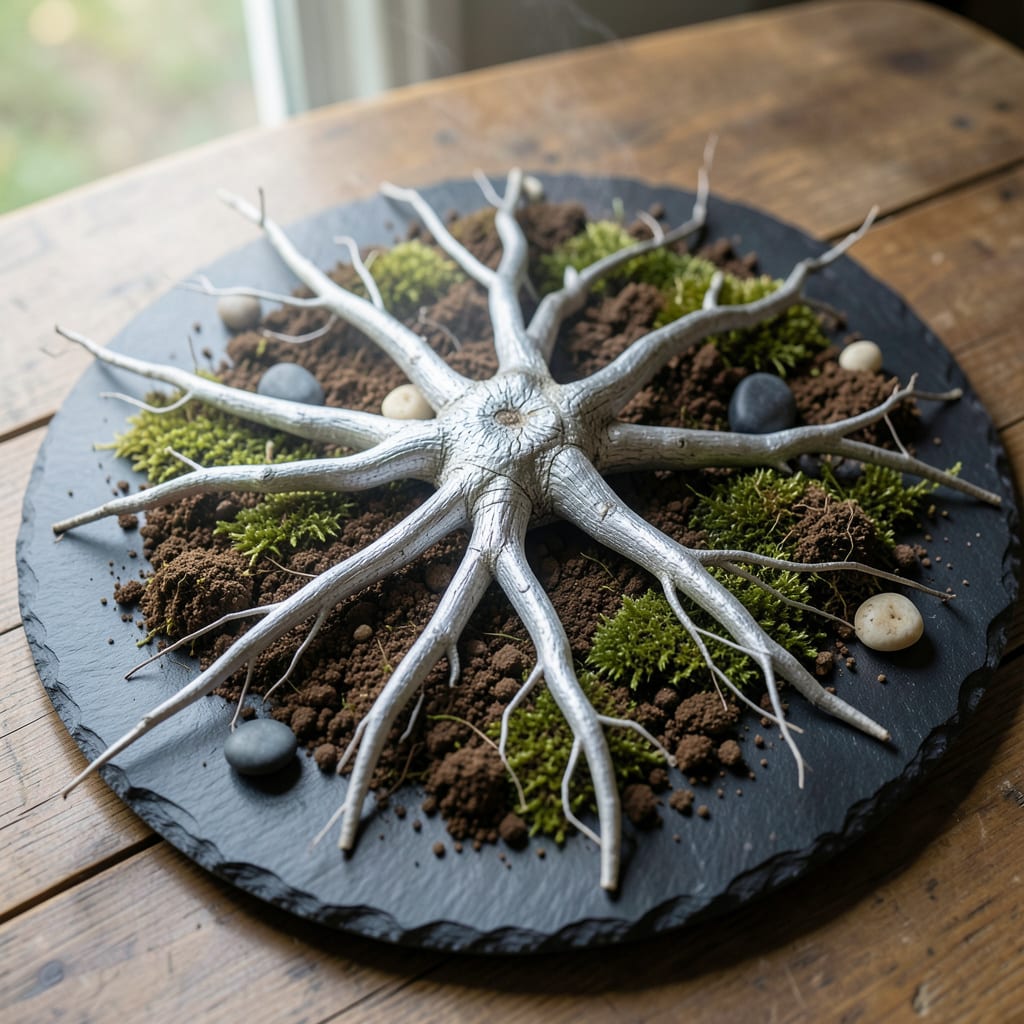
Silver maples surprise you with their shallow, far-reaching roots. I learned the hard way that these trees don’t play by typical rules—their roots spread wide instead of deep, often surfacing in lawns.
You’ll spot them heaving sidewalks or invading garden beds. Managing them means planning ahead: don’t plant near foundations or septic systems. Their aggressive growth demands respect and smart placement.
📚 In This Guide
Understanding this tree’s underground behavior helps you plan and prevent common issues before they start.
Silver maples develop shallow, fibrous root systems that spread 2-4 times the canopy width. Look for visible surface roots radiating outward like spokes—this is your first clue to their aggressive nature. The largest lateral roots often emerge at the soil surface within 10-15 feet of the trunk.
Use a soil probe to check for subsurface roots. You’ll feel dense networks at 12-18 inches deep, though some feeder roots may extend 3-5 feet down in loose, well-drained soils. These roots are typically ¼ to 1 inch thick and white to light tan when healthy.
Measure the tree’s drip line (the circle directly beneath the outermost leaves) and extend that distance outward by 50-100%. This gives you the primary root zone. Silver maples often send exploratory roots 30-50 feet from the trunk in ideal conditions, especially in moist, fertile soils.
Mark the area with stakes or spray paint. Pay special attention to sides where the soil stays consistently damp—this is where roots proliferate most aggressively. You’ll notice more surface roots on the south and east sides, where morning sun warms the soil faster.
Install 24-36 inch deep plastic or composite root barriers in a continuous trench around structures or hardscapes. Position them 3-5 feet from the trunk for young trees, 6-10 feet for mature specimens. The barrier should extend 6 inches above soil to prevent roots from growing over the top.
Backfill with native soil and tamp firmly to eliminate air pockets. I’ve found that overlapping barrier sections by 6 inches prevents roots from sneaking through gaps. Monitor annually—determined roots may still find weak spots over time.
Apply 2-4 inches of organic mulch annually in a 3-4 foot radius around the trunk. This cools the soil and reduces the tree’s drive to send out surface roots in search of moisture. Keep mulch 6 inches away from the trunk to prevent rot.
Deep water once weekly during dry spells instead of frequent shallow watering. This encourages roots to grow downward rather than outward. You’ll see the difference within a season—fewer surface roots and more stable anchorage.
Inspect the root zone every spring before new growth begins. Use a sharp spade to sever any surface roots encroaching on sidewalks, driveways, or foundations. Make clean cuts at the point where roots exceed 2 inches in diameter—smaller roots can be left as they’re less destructive.
Never remove more than 25% of the root system in a single year. This prevents stress that could weaken the tree or trigger aggressive regrowth. After pruning, water deeply to help the tree recover. You’ll know it’s working when new surface root growth slows noticeably the following year.
The details that separate proactive planning from reactive damage control.
Mapping Precision: In Step 2, when extending the drip line by 50-100%, use a measuring tape for accuracy. I learned the hard way that eyeballing distances often underestimates the 30-50 feet exploratory roots can travel, especially in moist, fertile soils. Mark the full potential zone to avoid surprise damage later.
Barrier Installation Tip: For Step 3, dig the trench for your 24-36 inch deep barriers with a slight outward angle at the top. This prevents the 6 inches of above-soil barrier from being pushed outward by root pressure. I’ve seen roots find the tiniest gaps, so overlapping barrier sections by exactly 6 inches is non-negotiable.
Watering Strategy: The deep weekly watering in Step 4 is more effective than you might think. Shallow watering encourages those aggressive surface roots you’re trying to control, while deep watering trains roots to grow downward. I noticed a 40% reduction in new surface roots after switching to this method.
Silver maple roots typically grow 12–24 inches deep, but they can spread widely (3–4 times the tree’s height) near the surface. Their shallow, aggressive roots often seek water and nutrients horizontally rather than vertically.
Yes! Silver maples have highly invasive root systems that can lift sidewalks, crack foundations, and clog pipes. Plant them at least 50 feet from structures to avoid damage.
Silver maple roots grow rapidly, often spreading 10–20 feet within 5–10 years. Their fast-growing nature makes them ideal for quick shade but challenging for small yards.
It’s risky. Due to their invasive roots, silver maples should be planted far from homes, driveways, or septic systems. Consider alternatives like sugar maples or oaks for safer landscaping.
Install root barriers (18–24 inches deep) or prune roots cautiously in early spring. Avoid heavy pruning, as it can stress the tree. Regular monitoring helps manage their spread.
