
Beautiful Plants For Your Interior
Beautiful Plants For Your Interior
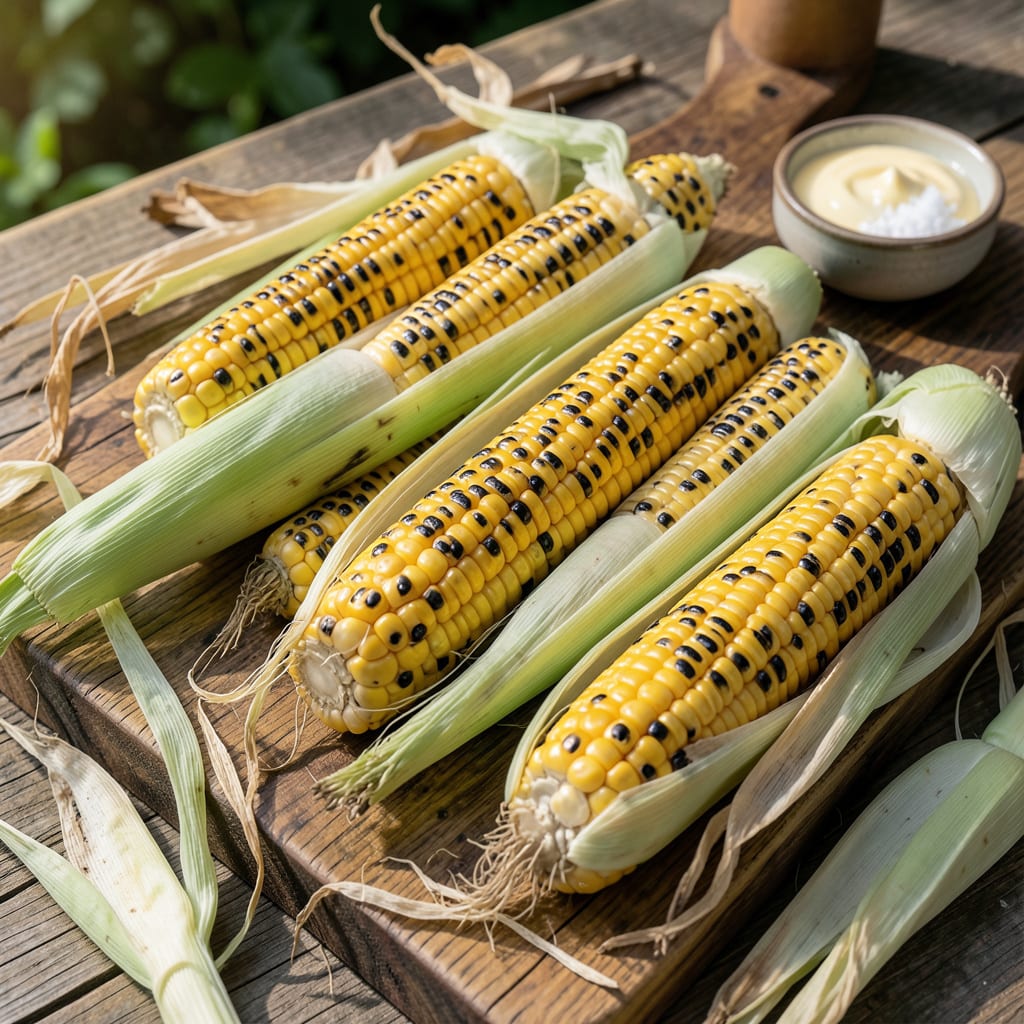
Those black spots on your corn leaves aren’t just ugly—they’re stealing your harvest. I’ve lost entire crops to this before learning what actually causes it.
Most cases trace back to fungal diseases like northern corn leaf blight or rust, but pests and environmental stress can create similar damage. The key is catching it early before it spreads through your entire planting.
The good news? Simple cultural practices like proper spacing and morning watering prevent most issues. When problems do appear, targeted treatments can save your season.
Works for home gardens, market farms, and even container plantings. Here’s how to protect your corn from these frustrating spots.
Black spots on corn can stem from several biological and environmental factors. Understanding the root causes helps in applying the right prevention or treatment. Below are the most common culprits behind this issue.
Fungi like Bipolaris maydis (Southern corn leaf blight) or Exserohilum turcicum (Northern corn leaf blight) often cause dark, elongated lesions on leaves, husks, or kernels. These pathogens thrive in warm, humid conditions and can spread rapidly through spores carried by wind or water. Infected plants may show purple or black spots that expand over time, reducing yield and quality.
Insects such as corn earworm (Helicoverpa zea) or fall armyworm (Spodoptera frugiperda) can create entry points for secondary infections. Their feeding damage weakens the plant’s defenses, allowing bacteria or fungi to invade. The resulting wounds often develop into black or dark brown spots, especially on ears or stalks.
Bacterial leaf streak (Xanthomonas vasicola) and Goss’s wilt (Clavibacter nebraskensis) are known to cause black or dark green spots with water-soaked edges. These bacteria enter through natural openings or wounds, multiplying in the plant’s vascular system. Symptoms often appear as streaks or freckles, which later turn necrotic (black).
Extreme weather—such as drought, excessive rain, or hail—can physically damage corn tissues. These stresses create micro-tears in the plant’s surface, providing an entryway for pathogens. Additionally, poor drainage or compacted soil can lead to root rot, manifesting as blackened, decaying spots at the base of the stalk.
While less common, deficiencies in essential nutrients like potassium or magnesium can weaken corn plants, making them more susceptible to diseases that cause black spotting. For example, potassium deficiency may lead to necrotic (dead) tissue at leaf edges, which can appear dark or black.
If your corn is showing black spots, don’t panic—here’s how to tackle the problem and prevent it from recurring. Each cause has a targeted fix, so start by identifying the issue before treating it.
Fungal diseases like Stenocarpella maydis or Bipolaris maydis thrive in wet conditions. If you spot black lesions, remove and destroy infected plants immediately to stop the spread. Apply a copper-based fungicide to remaining crops, and avoid overhead watering to keep foliage dry. For next season, rotate crops—don’t plant corn in the same spot for at least two years.
Pests like corn earworm or sap beetles can introduce bacteria that cause blackening. Spray neem oil or introduce beneficial insects like ladybugs to keep pests in check. If the infestation is severe, use organic pyrethrin-based insecticides as a last resort. Remove plant debris after harvest to eliminate hiding spots for overwintering pests.
Too much moisture can lead to root rot and fungal growth, which manifest as black spots. Water deeply but infrequently, ensuring the soil has time to dry between sessions. Use drip irrigation to target the roots and keep leaves dry. Improve drainage by amending heavy clay soil with compost or sand.
Black spots can signal a lack of essential nutrients like potassium or magnesium. Test your soil to confirm deficiencies, then amend with potassium sulfate or Epsom salt (magnesium sulfate). For a quick boost, use a balanced fertilizer (e.g., 10-10-10) and follow package instructions for application rates.
Generally, small black spots on kernels are safe to consume after thorough cooking. However, if the spots are extensive or accompanied by mold, it’s best to discard the affected ears to avoid potential toxins.
Rotate crops, space plants 12–18 inches apart, and use drip irrigation. Remove all plant debris after harvest to eliminate overwintering pathogens and pests.
Copper-based fungicides can stop the spread but won’t heal existing damage. Apply at first sign of disease and reapply every 7–10 days during wet weather.
Yes, excess nitrogen can create lush growth that’s more susceptible to fungal diseases. Always follow soil test recommendations and avoid over-applying fertilizer.
