
Beautiful Plants For Your Interior
Beautiful Plants For Your Interior
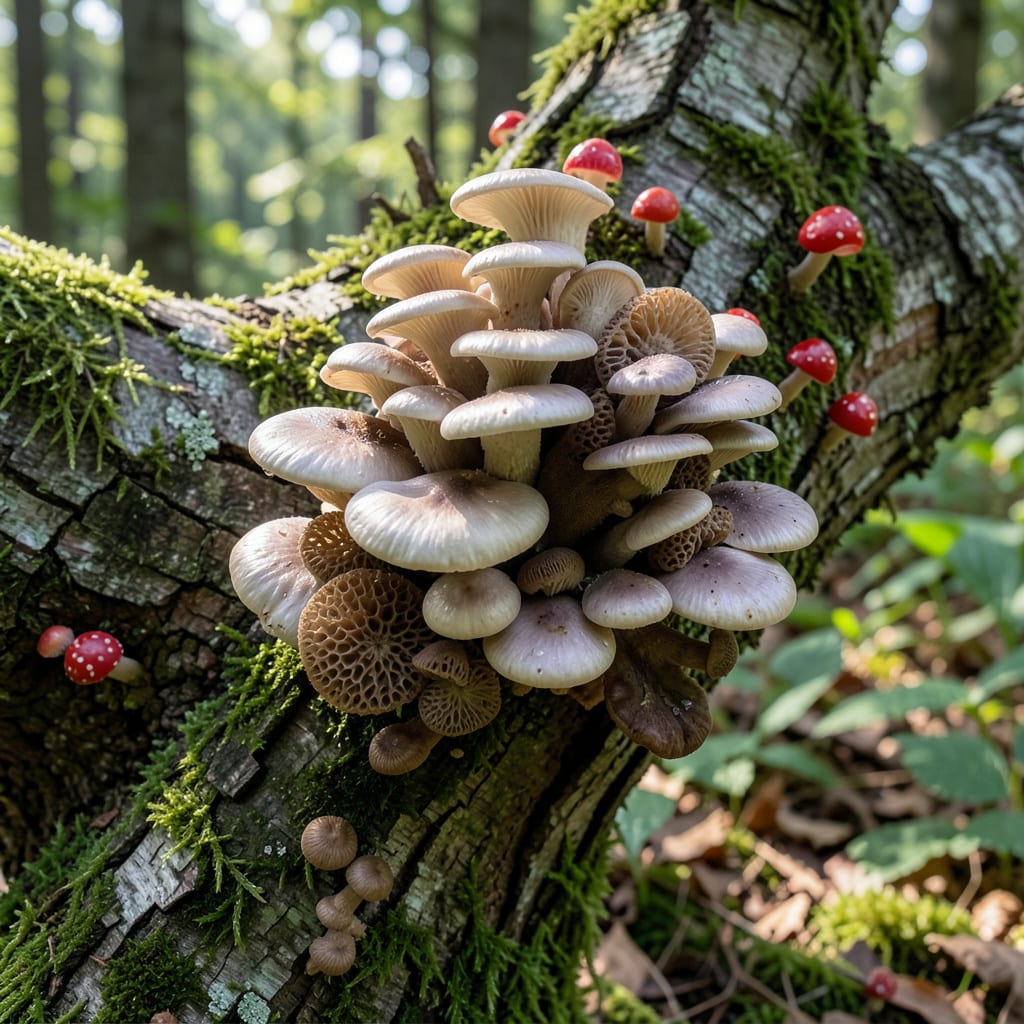
That white powder or black crust on your tree branches isn’t just ugly—it’s a warning sign. 🌳 I’ve seen healthy trees decline fast when fungus takes hold, but catching it early makes all the difference.
Most limb fungi start as small spots or discoloration before spreading into full-blown infections. The key is learning to spot the patterns: shelf fungi, powdery mildew, or cankers each have their own look. I learned this the hard way after losing an old oak.
With the right approach, you can stop the spread and even save the tree. It starts with proper identification, then targeted pruning or treatment. The sooner you act, the better your chances of full recovery.
Works for maples, oaks, fruit trees—any woody plant showing suspicious growths. Here’s how to diagnose and fix it.
Fungal growth on tree limbs isn’t random—it’s usually a sign of underlying stress or environmental conditions. Here are the most common causes:
Fungi thrive in damp environments. Prolonged rainfall, poor drainage, or overhead irrigation can create perfect breeding grounds. Trees with dense canopies that trap moisture (like oaks or maples) are especially vulnerable. Action: Improve airflow by pruning overlapping branches and avoid watering foliage directly.
Physical damage—from storms, pruning cuts, or animal activity—creates entry points for fungal spores. Stressed trees (due to drought, compacted soil, or nutrient deficiencies) also have weakened defenses. Action: Sterilize pruning tools with rubbing alcohol and seal large wounds with tree wound paste to deter infection.
Tightly packed limbs or nearby structures can restrict airflow, slowing moisture evaporation. This stagnation invites fungi like powdery mildew or anthracnose. Action: Thin out branches to allow light and air penetration, especially in the tree’s interior.
Some fungi, such as botryosphaeria canker, activate in heat stress, while others (like phytophthora) prefer cool, wet springs. Sudden temperature swings can also stress trees, lowering their resistance. Action: Mulch to regulate soil temperature and water consistently during droughts.
Spores can spread via dirty pruning shears, infected mulch, or splashing rain. Even healthy trees can succumb if exposed to contaminated equipment. Action: Disinfect tools between cuts and remove fallen infected leaves/debris promptly.
Fungus on tree limbs doesn’t have to spell the end for your beloved trees. With the right approach, you can treat the issue and restore your tree’s health. Below are practical solutions tailored to common fungal problems, along with prevention tips to keep them from returning.
If you notice a white, powdery coating on the limbs, prune dense branches to improve airflow. Then, apply a baking soda solution (1 tbsp baking soda + 1 tsp dish soap + 1 gallon of water) or a neem oil spray every 7–10 days until the fungus clears. Prevention tip: 💡 Space trees properly during planting and avoid overhead watering.
For sunken, discolored, or oozing wounds (cankers), remove infected limbs with clean, sharp pruners. Cut 6–12 inches below the canker to ensure full removal. Disinfect tools with rubbing alcohol between cuts to prevent spreading. Prevention tip: ✨ Sterilize pruning tools after each use and avoid wounding trees during pruning.
If dark or yellowish spots appear on leaves and limbs, rake and destroy fallen leaves and debris to eliminate spores. Apply a copper-based fungicide or sulfur spray as directed on the label. Prevention tip: 🎯 Water at the base of the tree (not the leaves) and thin out crowded branches.
Yellowing leaves, wilting, and stunted growth may signal root rot. Reduce watering and amend the soil with compost or sand to improve drainage. For severe cases, consult an arborist to assess root health. Prevention tip: 🌡️ Avoid overwatering and ensure planting sites have good drainage.
Early action is key—inspect trees regularly and address fungus at the first sign. With these steps, your trees can thrive again! 🌿
Most tree fungi are harmless to humans, but some can cause skin irritation. Always wear gloves when handling infected limbs. Never touch your face afterward until you’ve washed your hands thoroughly.
Yes, if you act quickly. Remove all infected limbs 6-12 inches below visible damage and disinfect tools between cuts. For advanced cases, consult a certified arborist for professional treatment options.
Many tree fungi spread via spores carried by wind or water. Remove fallen infected leaves and prune during dry weather to minimize spore dispersal. Maintain 10-15 feet spacing between trees when planting.
