
Beautiful Plants For Your Interior
Beautiful Plants For Your Interior
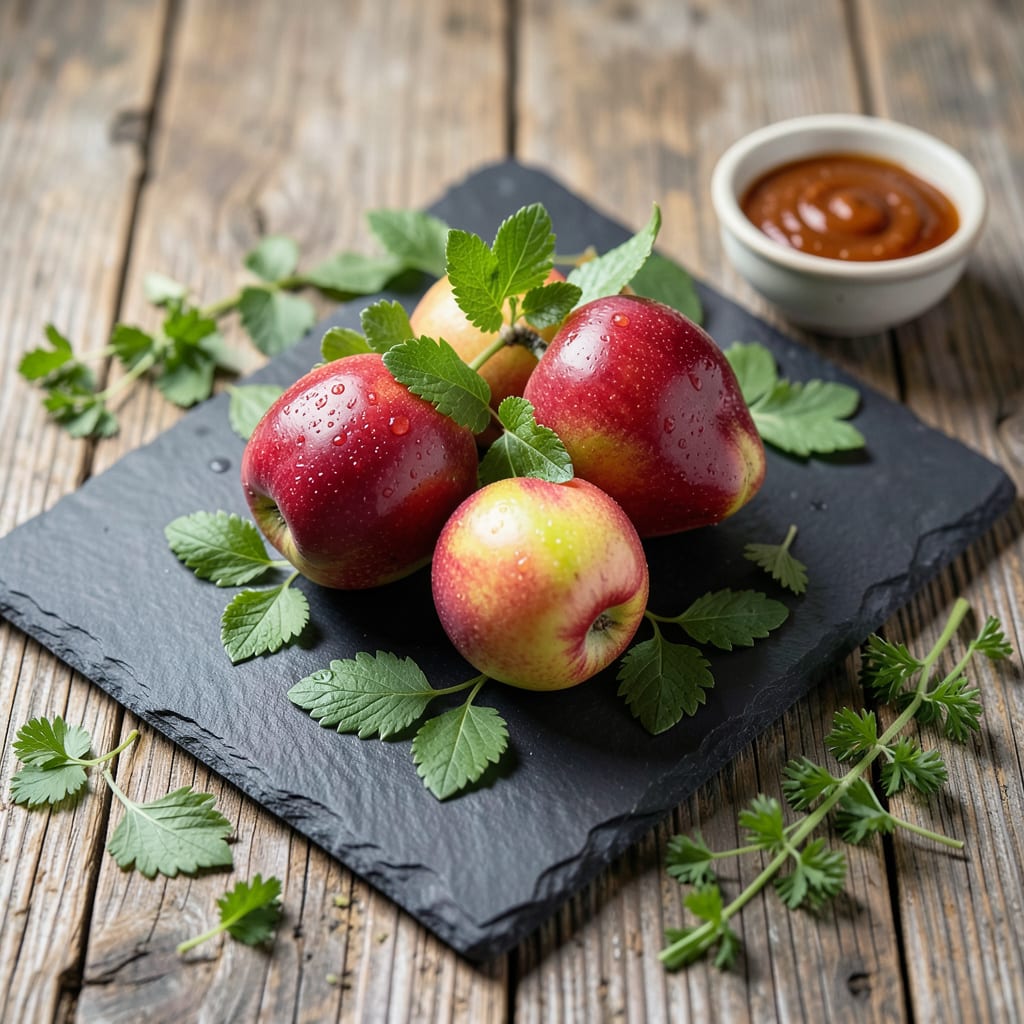
Fertilizing your 🍎 Fruit Tree in Texas at the right time can make all the difference in its health and harvest yields. As a gardener in Texas’s 8b zone, timing is everything – the state’s unique climate requires careful planning.
I recommend fertilizing your Fruit Tree during the spring growing season, specifically between February and March, to give it a nutrient boost when it needs it most. This timing aligns with Texas’s ideal planting window for Fruit Trees.

In Texas, the ideal time to fertilize fruit trees varies by season and the tree’s growth cycle. Understanding these cycles is crucial for maximizing your harvest yields and maintaining tree health throughout the year 🌟.
The spring growing season is particularly important for fertilizing fruit trees in Texas. During this time, trees require a boost of nutrients to support their rapid growth and fruit production. In Texas’s 8b zone, the ideal months for fertilizing are February and March, just before the trees start their active growth phase 📅.
Fertilizing during the spring is critical as it supports the tree’s new growth and fruit development. A balanced fertilizer with an NPK ratio of 10-10-10 is recommended during this period. It’s essential to follow the manufacturer’s instructions for application rates to avoid over-fertilization 💡.
During the summer, fruit trees benefit from a light feed with a low-nitrogen fertilizer to maintain their growth without promoting excessive vegetative development. The exact timing can depend on the specific tree variety and local climate conditions 🌱.
Fall and winter are generally not ideal times for fertilizing fruit trees in Texas. Fertilizing in these seasons can lead to new growth that may not have time to harden off before the first frost, making the tree more susceptible to damage ❄️.
By following this seasonal fertilization schedule, Texas gardeners can ensure their fruit trees receive the nutrients they need at the right times, promoting healthy growth and maximizing fruit production 📈.
It’s also important to consider the soil type and tree variety when planning your fertilization schedule. Different fruit trees have different nutrient requirements, and soil tests can provide valuable information on nutrient deficiencies 🌿.
For more specific advice tailored to your location and tree types, consulting with a local gardening expert or extension service can provide additional guidance and help you make the most of your fertilization efforts 📞.
Regular soil testing and monitoring your trees’ responses to fertilization will help refine your fertilization strategy over time, ensuring your fruit trees remain healthy and productive for years to come 🌱.
By understanding and implementing a seasonal fertilization plan, you can significantly improve the health and productivity of your fruit trees in Texas, leading to bountiful harvests and a thriving garden 📚.
Different fruit trees have unique fertilization needs in Texas’s climate. Understanding these specific requirements is crucial for optimal tree health and fruit production 🌳.
I recommend checking the specific nutrient needs for your fruit tree variety. For example, citrus trees benefit from regular fertilization with a balanced fertilizer during their active growing season 🌱.
The type of fruit tree you’re growing will determine the best fertilization schedule. For instance, stone fruits like peaches and plums have different needs compared to citrus or pome fruits like apples and pears 🌟.
It’s essential to follow a fertilization schedule tailored to your tree’s specific needs. This not only promotes healthy growth but also maximizes fruit production and quality 📈.
Soil conditions also play a critical role in determining the right fertilization approach. Conducting a soil test can provide valuable insights into nutrient deficiencies and help you choose the right fertilizer 🌱.
By understanding the unique fertilization needs of your fruit trees and adjusting your care routine accordingly, you can enjoy a bountiful harvest and maintain the overall health of your trees 📚.
Regular monitoring and adjusting your fertilization strategy based on your trees’ responses will help ensure their continued health and productivity 🌿.
When fertilizing fruit trees in Texas, it’s crucial to avoid common mistakes that can harm your trees and reduce fruit production. One of the most critical errors is fertilizing at the wrong time, which can lead to new growth that may not have time to harden off before winter ❄️.
Fertilizing in fall or winter can cause new growth that won’t survive the cold temperatures. Instead, focus on spring and summer fertilization.
Another mistake is using the wrong type of fertilizer. Fruit trees in Texas benefit from a balanced fertilizer with an NPK ratio of 10-10-10 during the growing season. Avoid using high-nitrogen fertilizers unless specifically recommended for your tree type 🌟.
It’s also essential to avoid over-fertilizing, as this can damage your trees and the environment. Always follow the manufacturer’s instructions for application rates and consider conducting a soil test to determine your trees’ specific nutrient needs 🌱.
By being aware of these common fertilization mistakes and taking steps to avoid them, you can help ensure the health and productivity of your fruit trees in Texas, leading to bountiful harvests and a thriving garden 📚.
I recommend monitoring your trees’ responses to fertilization and adjusting your strategy as needed. This will help you refine your approach over time and make the most of your fertilization efforts 📈.
For more specific guidance tailored to your location and tree types, consider consulting with a local gardening expert or extension service. They can provide valuable insights and help you optimize your fertilization schedule 📞.
The best time to fertilize fruit trees in Texas is during the spring growing season, typically between February and March. This timing supports new growth and fruit development. Fertilizing at this time helps ensure your trees receive necessary nutrients when they need them most.
Fertilization frequency depends on the tree type and soil conditions. Generally, fruit trees in Texas benefit from fertilization every 6-8 weeks during the growing season. For specific guidance, consult the fertilizer package instructions or a local gardening expert.
A balanced fertilizer with an NPK ratio of 10-10-10 is typically recommended for fruit trees in Texas during the growing season. However, specific tree varieties may require different nutrient ratios. Always check the specific needs of your tree type.
No, it’s generally not recommended to fertilize fruit trees in Texas during the fall or winter. Fertilizing during these seasons can lead to new growth that won’t have time to harden off before the first frost, making the tree more susceptible to damage.
