
Beautiful Plants For Your Interior
Beautiful Plants For Your Interior
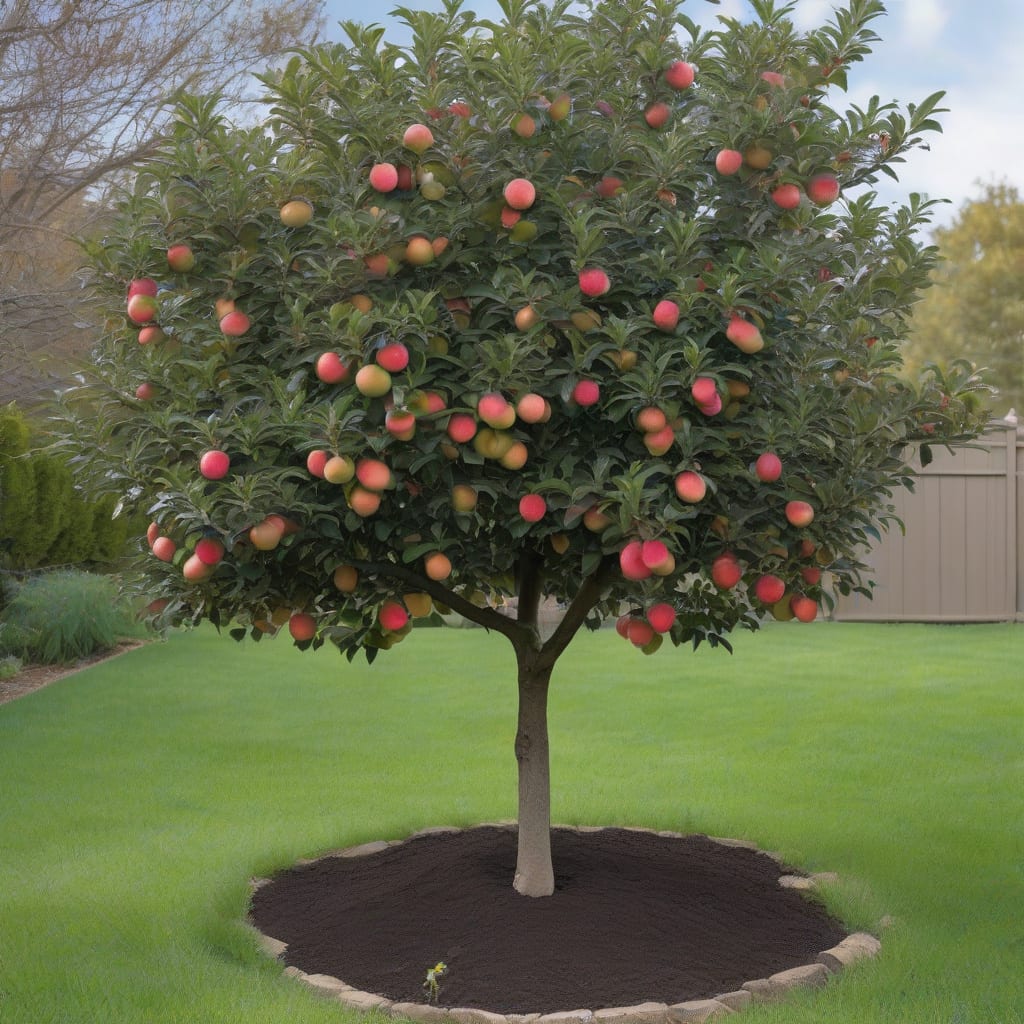
I’ve always been fascinated by how dwarf fruit trees 🍎 can thrive in small spaces. Growing up, I saw my grandparents successfully cultivate these trees in their backyard, and I was amazed by their productivity despite their compact size.
So, how tall do they actually grow? Let’s explore the growth patterns of dwarf fruit trees and what you can expect when growing them in your own garden, particularly in USDA Zone 6. We’ll look at the factors that influence their height.

Dwarf fruit trees are becoming increasingly popular among home gardeners due to their compact size and high productivity. These trees are grafted onto special rootstocks that control their overall size, making them ideal for small gardens or even container growing.
The height of dwarf fruit trees is influenced by several key factors, including the rootstock, variety, growing conditions, and pruning practices. Understanding these factors is crucial for managing the tree’s growth and ensuring optimal fruit production.
Dwarf fruit trees typically grow between 8 to 12 feet tall, making them significantly shorter than standard fruit trees. However, their exact height can vary based on the specific variety and growing conditions. For example, apple dwarf trees might reach 10 feet, while peach dwarf trees might top out at 8 feet.
One of the key advantages of dwarf fruit trees is their ability to produce fruit within the first few years of planting. Most dwarf varieties begin bearing fruit within 2 to 3 years of age, the time to harvest.
The rootstock used for grafting plays a critical role in determining the tree’s overall size and growth characteristics. Common rootstocks for dwarf fruit trees include:
These rootstocks not only control the tree’s height but also influence its disease resistance and adaptability to different soil types.
In terms of growth rate, dwarf fruit trees typically exhibit a moderate growth rate, averaging 12-18 inches per year. The trees usually reach their mature height within 5-7 years after planting.
Understanding these growth patterns is essential for proper tree management. Regular pruning is crucial to maintain the desired size and shape, while also promoting healthy fruit production.
Some additional factors that can influence the height of dwarf fruit trees include:
By understanding and managing these factors, gardeners can optimize the growth and productivity of their dwarf fruit trees.
Dwarf fruit trees offer numerous benefits for home gardeners, including their compact size, early fruit production, and relatively low maintenance requirements. These characteristics make them an excellent choice for small gardens, urban spaces, or even container gardening on patios or balconies.
The compact nature of dwarf fruit trees allows for more intensive planting, enabling gardeners to grow multiple varieties in a limited space. This can be particularly advantageous for those looking to enjoy a diverse range of fruits without requiring a large orchard.
Overall, dwarf fruit trees provide an excellent opportunity for gardeners of all experience levels to enjoy fresh, homegrown fruit while maintaining a manageable and aesthetically pleasing garden landscape.
I’ve found that managing the height of dwarf fruit trees is crucial for maintaining their productivity and overall health. Proper pruning techniques play a vital role in controlling the tree’s size while promoting fruit production.
Regular pruning helps to:
Prune your dwarf fruit trees every year during their dormant season to maintain shape and promote fruiting.
Eliminate branches that rub against each other to prevent damage and disease entry points.
Thin the center of the tree to allow sunlight penetration and air circulation, promoting healthy growth.
In addition to pruning, training your dwarf fruit trees can also help manage their height. Techniques such as espaliering or using a trellis can be effective in controlling the tree’s size while maximizing space.
Espaliering involves training the tree to grow flat against a wall or trellis, which can help to:
Using a trellis can also provide support for the tree as it grows, helping to maintain its shape and promote upright growth.
Regular maintenance is also essential for managing the height of your dwarf fruit trees. This includes:
By combining proper pruning techniques, training methods, and regular maintenance, you can effectively manage the height of your dwarf fruit trees and enjoy a bountiful harvest for years to come 🌳.
When selecting a dwarf fruit tree, it’s essential to consider the mature size of the tree to ensure it fits well in your available space. Different varieties have different growth habits and mature heights.
By choosing the right variety, you can ensure that your dwarf fruit tree thrives in its location and provides a bountiful harvest for years to come. Consider factors like climate suitability, pollination requirements, and disease resistance when making your selection 🌳.
Different dwarf fruit tree varieties offer unique characteristics that can suit various gardening needs. For example, some varieties are better suited for container gardening, while others may be more appropriate for in-ground planting.
When selecting a variety, it’s also important to consider the tree’s growth habit. Some trees grow more upright, while others have a spreading habit. This can impact how you prune and train the tree to fit your space 🌱.
By understanding the specific needs and characteristics of different dwarf fruit tree varieties, you can make an informed decision that will lead to a successful and productive gardening experience.
