
Beautiful Plants For Your Interior
Beautiful Plants For Your Interior
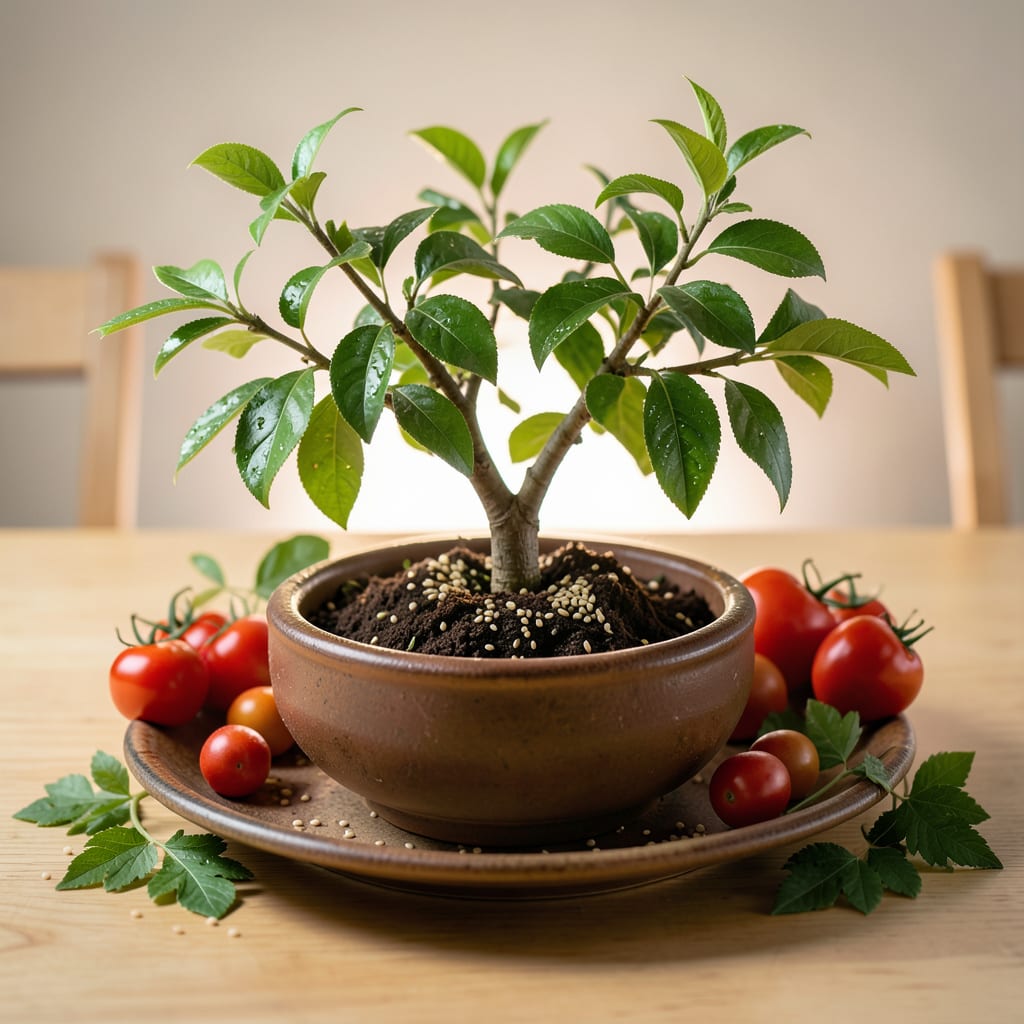
Fertilizing your Fruit Tree 🍎 at the right time is crucial for a bountiful harvest. I’ve learned that timing is everything when it comes to providing your tree with the necessary nutrients to thrive.
In early spring, your Fruit Tree needs a boost to kickstart its growth cycle. By understanding the seasonal needs of your tree, you can ensure a healthy and productive harvest. Let’s explore the best times to fertilize your Fruit Tree.

Fertilizing fruit trees at the right time is crucial for their health and productivity. I’ve found that understanding the nutrient needs and growth cycles of your trees is essential for determining the best fertilization schedule. Fruit trees have different nutrient requirements throughout the year, and fertilizing at the wrong time can be ineffective or even harmful 🌳.
The key to successful fertilization is to align it with the tree’s natural growth cycle. Most fruit trees have a dormant period during winter, followed by a growth spurt in spring, and then a period of fruit development in summer. By fertilizing at the right time, you can support these different growth stages and promote healthy tree development 🌱.
The fertilization schedule for fruit trees typically begins in early spring, just before the tree breaks dormancy. This initial application provides the necessary nutrients for the tree’s growth spurt and fruit development. A second application may be made in late spring to support continued growth and fruit production. The specific timing may vary depending on factors such as climate, tree variety, and soil conditions 📅.
Understanding the nutrient needs of your fruit trees is also crucial for effective fertilization. Most fruit trees benefit from a balanced fertilizer that provides a mix of nitrogen, phosphorus, and potassium. However, the specific nutrient requirements may vary depending on the tree’s growth stage and soil conditions. For example, fruit trees may require more potassium during fruit development to support fruit growth and quality 🍊.
In addition to timing and nutrient needs, it’s also important to consider the application method when fertilizing fruit trees. The fertilizer should be applied evenly around the tree’s drip line, which is the area under the tree’s canopy where the roots are most active. This helps ensure that the nutrients are absorbed by the tree’s roots and utilized effectively 🌿.
By understanding the fertilization timing and nutrient needs of your fruit trees, you can create a fertilization schedule that supports their growth and productivity throughout the year. This can help promote healthy tree development, maximize yields, and enjoy a bountiful harvest 🎉.
It’s also worth noting that soil testing can play a critical role in determining the best fertilization strategy for your fruit trees. By testing your soil, you can identify any nutrient deficiencies and adjust your fertilization schedule accordingly. This can help ensure that your trees receive the necessary nutrients to thrive 🌟.
Overall, fertilizing fruit trees requires a thoughtful and informed approach. By considering factors such as timing, nutrient needs, and application method, you can create a fertilization strategy that supports the health and productivity of your trees. With the right approach, you can enjoy a bountiful harvest and promote healthy tree development for years to come 🌳.
In my experience, fertilizing fruit trees is not a one-size-fits-all solution. Different tree varieties and growing conditions may require adjustments to the fertilization schedule. By understanding the specific needs of your trees and adapting your fertilization strategy accordingly, you can promote healthy tree development and maximize yields 📈.
By following these guidelines and considering the unique needs of your fruit trees, you can create a fertilization strategy that supports their growth and productivity throughout the year. This can help you enjoy a bountiful harvest and promote healthy tree development for years to come 🌟.
Fertilizing fruit trees at the right time is crucial for maximizing yields and maintaining tree health throughout the growing season. I’ve found that understanding the nutrient needs and growth cycles of your trees is essential for determining the best fertilization schedule 🌳.
The key to successful fertilization is to align it with the tree’s natural growth cycle. Most fruit trees have a dormant period during winter, followed by a growth spurt in spring, and then a period of fruit development in summer. By fertilizing at the right time, you can support these different growth stages and promote healthy tree development 🌱.
Apply balanced fertilizer (10-10-10 NPK) just before budbreak to support new growth and fruit development.
Use high potassium fertilizer to support fruit development and overall tree health.
Refrain from fertilizing in fall to prevent stimulating new growth before winter, which can make trees more susceptible to cold damage.
By following this seasonal fertilization guide, you can ensure your fruit trees receive the necessary nutrients at the right time, promoting healthy growth and maximizing yields.
It’s also important to monitor your trees’ response to fertilization and adjust your strategy as needed. Look for signs of nutrient deficiencies or excesses, and be prepared to make changes to your fertilization schedule accordingly 🌟.
In my experience, a well-planned fertilization strategy can make a significant difference in the health and productivity of fruit trees. By understanding the seasonal needs of your trees and adapting your fertilization schedule accordingly, you can enjoy a bountiful harvest and promote healthy tree development for years to come 🌳.
Additionally, consider soil testing to determine your soil’s nutrient content and pH level. This information can help you choose the right fertilizer and application rate for your fruit trees 🌱.
By combining proper fertilization timing with other good gardening practices, such as regular watering and pruning, you can create an optimal growing environment for your fruit trees. This comprehensive approach will help you achieve the best possible results and enjoy a healthy and productive harvest 🎉.
Fertilizing fruit trees effectively requires more than just knowing when to apply fertilizer. I’ve found that understanding the type of fertilizer to use, how to apply it, and common mistakes to avoid can make a significant difference in tree health and productivity 🌳.
Always soil test before fertilizing to determine your soil’s nutrient content and pH level. This helps you choose the right fertilizer type and application rate for optimal tree health 🌱.
When it comes to choosing the right fertilizer, a balanced fertilizer with an NPK ratio of 10-10-10 is generally recommended for fruit trees. However, the specific nutrient requirements may vary depending on factors such as soil conditions and tree variety. For example, fruit trees may benefit from additional potassium during fruit development to support fruit growth and quality 🍊.
Application methods also play a critical role in effective fertilization. The fertilizer should be applied evenly around the tree’s drip line, where the roots are most active. Avoid applying fertilizer too close to the trunk, as this can cause damage to the tree 🌿.
One common mistake to avoid is over-fertilizing, which can lead to excessive vegetative growth at the expense of fruit production. It’s also important to monitor your trees’ response to fertilization and adjust your strategy as needed. Look for signs of nutrient deficiencies or excesses, and be prepared to make changes to your fertilization schedule accordingly 📝.
By following these additional tips and combining proper fertilization with other good gardening practices, such as regular watering and pruning, you can create an optimal growing environment for your fruit trees. This comprehensive approach will help you achieve the best possible results and enjoy a healthy and productive harvest 🎉.
Fertilize your fruit trees every 4-6 weeks during the growing season, typically from early spring to late summer. The exact frequency depends on factors like soil quality and tree variety .
A balanced fertilizer with an NPK ratio of 10-10-10 is generally recommended for fruit trees. However, soil testing can help determine specific nutrient needs, and adjustments can be made accordingly .
No, it’s generally recommended to avoid fertilizing fruit trees in the fall, as this can stimulate new growth that may be damaged by winter cold. Instead, focus on fertilizing during the early spring and late spring/summer months .
Apply fertilizer evenly around the tree’s drip line, where the roots are most active. Avoid applying fertilizer too close to the trunk to prevent damage .
