
Beautiful Plants For Your Interior
Beautiful Plants For Your Interior
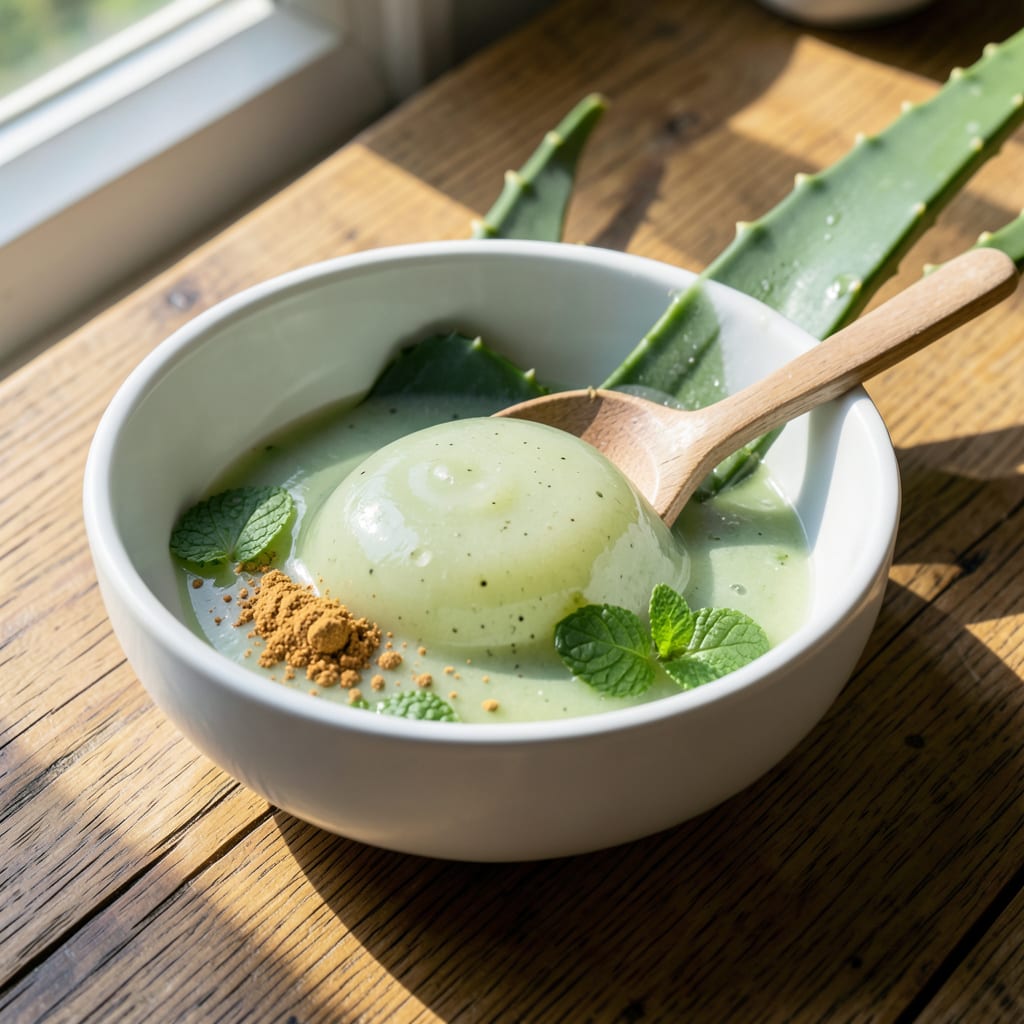
Fungal infections on plants spread fast and hit hard. I’ve saved countless leaves with aloe vera’s natural antifungal punch—no harsh chemicals needed.
This isn’t some complicated treatment. Just extract the gel, dilute it slightly, and apply directly to affected areas. Works on roses, tomatoes, even houseplants with zero damage to healthy tissue.
You’ll see improvement within 3-5 days as spots stop spreading. The gel’s soothing properties also help plants recover faster from stress.
Safe for most species, but always test on a small area first. Simple, effective, and grows right in your garden.
Fungal infections, like athlete’s foot or ringworm, thrive when conditions favor their growth. Understanding the why behind these infections helps you prevent and treat them effectively.
Fungi love damp, warm areas—think sweaty shoes, wet gym clothes, or humid climates. These conditions break down skin barriers, allowing fungi like Trichophyton or Candida to invade. Poor ventilation (e.g., tight shoes or synthetic fabrics) traps moisture, accelerating growth.
Cuts, cracks, or irritated skin create entry points for fungi. Overusing harsh soaps or antibiotics can disrupt your skin’s natural defenses, reducing its ability to fend off invaders. Even minor abrasions from shaving or friction can invite infection.
Fungal spores spread through touch—shared towels, locker room floors, or even pets. Tinea corporis (ringworm) often spreads via contaminated surfaces, while Candida may overgrow after close contact with an infected person.
Conditions like diabetes, HIV, or long-term steroid use weaken immune responses, making it harder to fight off fungi. Stress and poor sleep can also lower immunity, increasing susceptibility.
Addressing these root causes—keeping skin dry, avoiding shared items, and boosting immunity—can reduce infection risks significantly.
Fungal infections can be stubborn, but aloe vera offers a natural, soothing way to tackle them. Below are practical solutions based on the root cause, along with prevention tips to keep infections at bay.
For itchy, red, or inflamed skin caused by fungal overgrowth, apply fresh aloe vera gel directly to the affected area 2–3 times daily. The antifungal and anti-inflammatory properties of aloe help reduce irritation while fighting the infection. Leave it on for 30 minutes before rinsing with lukewarm water.
Prevention tip: 💡 Keep skin dry, especially in folds (like underarms or between toes), as moisture fuels fungal growth.
Combine 1 tbsp aloe vera gel with 2–3 drops of tea tree oil (a potent antifungal) and apply to clean, dry feet. Repeat twice daily until symptoms fade. Tea tree oil boosts aloe’s effectiveness, while aloe soothes cracked or peeling skin.
Prevention tip: ✨ Wear breathable footwear and change socks daily to minimize sweat buildup.
If infections keep coming back, support your body internally by drinking aloe vera juice (2–4 oz daily) to boost immunity. Pair this with topical aloe applications to address both the internal and external causes.
Prevention tip: 🎯 Eat a balanced diet rich in probiotics (like yogurt) to maintain healthy gut flora, which can deter fungal overgrowth.
Mix 2 tbsp aloe vera gel with 1 tbsp coconut oil (which contains caprylic acid, a natural antifungal). Massage into the scalp, leave for 1 hour, then shampoo out. Use 2–3 times weekly until dandruff or itching subsides.
Prevention tip: 🌿 Avoid sharing hairbrushes or hats, and wash your hair regularly with a mild, pH-balanced shampoo.
Apply fresh aloe vera gel 2-3 times daily to affected areas. Leave it on for 30 minutes before rinsing for best results. Consistency is key for visible improvement.
Yes! Combine 1 tbsp aloe vera gel with 2-3 drops of tea tree oil or 1 tbsp coconut oil for enhanced antifungal effects. Always patch test first.
Generally yes, but do a patch test first. If irritation occurs, dilute the gel with water. Aloe’s soothing properties make it ideal for most skin types.
Most people notice improvement within 3-5 days of regular use. For stubborn infections, combine with other remedies like coconut oil.
