
Beautiful Plants For Your Interior
Beautiful Plants For Your Interior
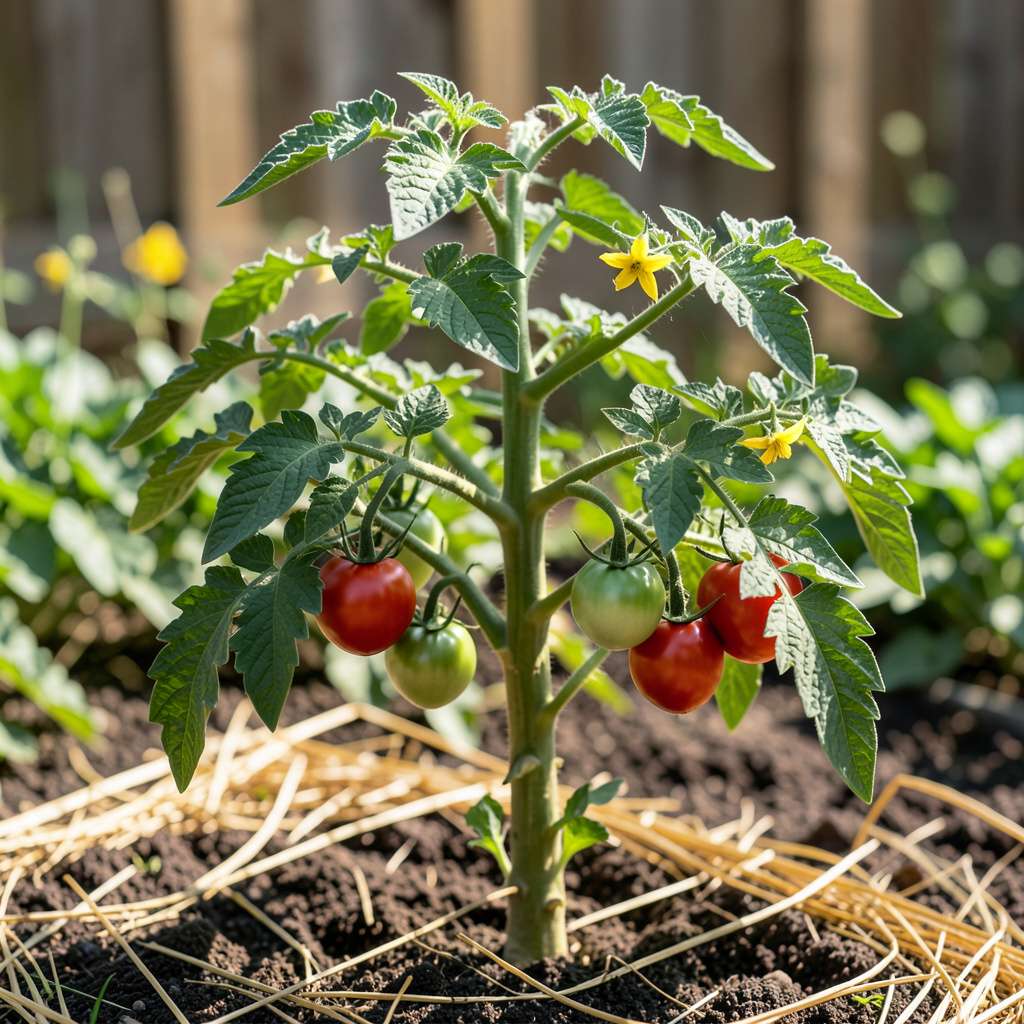
Essential oils can be safe for plants when properly diluted, but many are toxic at high concentrations. Some (like peppermint or neem) may help repel pests, while others (such as tea tree or citrus oils) can damage foliage or inhibit growth. Always test a small area first.
I’ve learned through years of gardening that plants react to essential oils much like humans do—what’s helpful in small doses can become harmful when overused. The terpenes and phenolic compounds in these oils can disrupt cellular membranes or interfere with photosynthesis if applied too heavily. For example, while peppermint oil might deter aphids, even a slightly concentrated spray can cause leaf burn on delicate herbs like basil. 🌱
What many gardeners overlook is how application method changes everything. A light mist on leaves behaves differently than a soil drench, and morning applications (when stomata are open) often cause more stress than evening treatments. I always recommend starting with 1-2 drops per cup of water and watching for signs of wilting or discoloration over 24 hours.
💡 In This Article
Plants react to essential oils at a cellular level because these concentrated extracts contain volatile compounds like terpenes and phenolic acids. When applied to foliage, these molecules can penetrate the waxy cuticle layer and disrupt cell membrane integrity.
For example, eugenol in clove oil inhibits mitochondrial respiration, while limonene in citrus oils dissolves protective waxes—leaving leaves vulnerable to moisture loss and sun damage. 🌿
The concentration makes all the difference. A 0.1% dilution (about 5 drops per gallon) might stimulate defensive enzyme production in plants, but a 1% solution can trigger oxidative stress.
I’ve seen tomato plants thrive with weekly rosemary oil sprays at 0.05% concentration, while the same plants developed necrotic spots when exposed to oregano oil at 0.5%. Young seedlings are particularly sensitive—their thin cuticles absorb oils faster than mature plants.
Different plant families respond differently due to their evolutionary adaptations. Herbs like thyme and lavender often tolerate essential oils better because they naturally produce similar compounds. Meanwhile, leafy greens (spinach, lettuce) and brassicas (kale, broccoli) frequently show phytotoxic reactions—yellowing between veins or stunted growth—when exposed to oils like tea tree or cinnamon bark.
The stress response varies by species and even cultivar.
Timing matters because plant physiology changes throughout the day. Applying oils during peak photosynthesis (10 AM – 2 PM) increases absorption rates, while evening applications allow more time for metabolic processing before sun exposure.
I always recommend testing on a single leaf first and waiting 48 hours to observe reactions—curling edges or white residue indicates cellular damage. ✨
The growth stage dramatically influences sensitivity. Seedlings in their first 2-3 weeks lack developed cuticles and detoxification pathways, making them 10x more vulnerable than established plants. Flowering or fruiting plants may abort buds when exposed to strong oils like lemongrass, as the compounds can mimic stress hormones.
This is why commercial organic pesticides use carefully calibrated oil blends—typically under 0.25% concentration—with added surfactants to minimize damage.
Soil applications work differently than foliar sprays. When diluted oils are watered into soil, beneficial microbes help break down compounds before root uptake. However, eucalyptus or pine oils can persist for weeks in clay soils, potentially inhibiting nitrogen fixation in legumes.
I’ve measured pH shifts of up to 0.5 points in container gardens after repeated oil applications—a critical factor for acid-sensitive plants like blueberries or azaleas. 💧
The aromatic compounds don’t just affect plants—they alter the entire micro-ecosystem. Some oils like peppermint repel beneficial insects alongside pests, while others like geranium oil may attract pollinators when used at ultra-low concentrations.
The volatility means effects can vary with temperature: a spray that’s safe at 65°F might cause burn at 85°F as evaporation rates change. This complexity is why I always keep a garden journal tracking oil types, concentrations, weather conditions, and plant responses.
Leafy greens like spinach and lettuce, along with brassicas (kale, broccoli) show reactions fastest. Their thin leaves absorb oils quickly, often developing yellow spots or curled edges within 24 hours of exposure. Young seedlings are 10x more vulnerable than mature plants.
Wait 7-10 days between applications to allow recovery. Overuse causes cumulative stress—plants may stop growing or drop flowers. I’ve seen tomato plants thrive with biweekly 0.1% rosemary sprays, but daily use always leads to problems.
Use glass bottles (plastic degrades) with 1% concentration—that’s 5-6 drops per cup of water. Add a drop of dish soap to emulsify. Always shake before spraying and test on one leaf first. White residue means you’ve used too much.
Repeated use may shift pH by 0.3-0.5 points, especially with pine or eucalyptus oils. Clay soils hold oils longer, potentially inhibiting nitrogen fixation. I test soil pH monthly when using oils regularly.
Yes—peppermint repels ladybugs alongside pests. Use ultra-low concentrations (0.05%) of geranium or chamomile to minimize harm. Apply in evening when pollinators are less active. Always combine with physical barriers for best pest control.
