
Beautiful Plants For Your Interior
Beautiful Plants For Your Interior
I’ll be real with you: the first time aphids turned my rose bushes into their personal buffet, I nearly gave up on gardening. Then I discovered neem oil—a game-changer that handles pests and fungal issues without harsh chemicals. My roses went from struggling to thriving in two applications, and I’ve never looked back since that […]
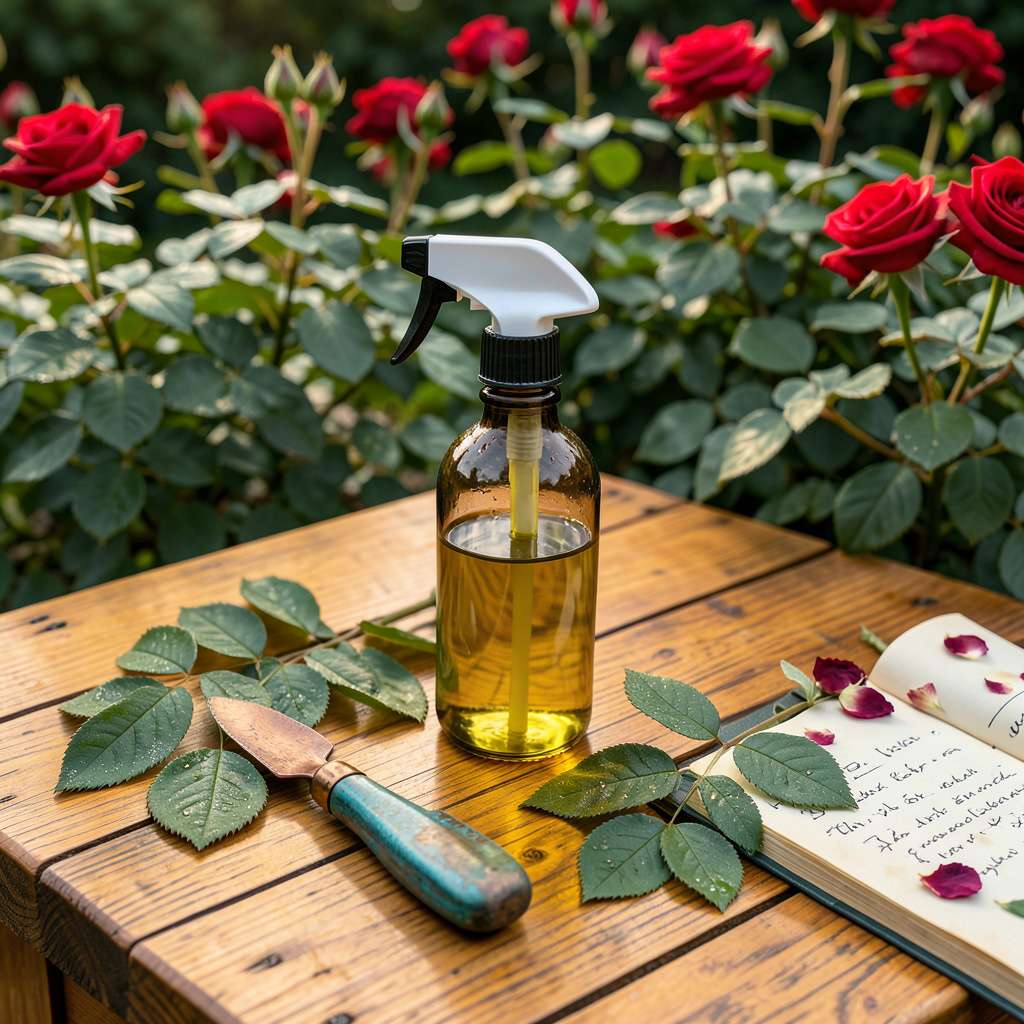
I’ll be real with you: the first time aphids turned my rose bushes into their personal buffet, I nearly gave up on gardening. Then I discovered neem oil—a game-changer that handles pests and fungal issues without harsh chemicals. My roses went from struggling to thriving in two applications, and I’ve never looked back since that summer.
Here’s the thing—neem oil works because it disrupts pests’ life cycles while strengthening your plants’ natural defenses. No more black spot ruining your blooms or Japanese beetles skeletonizing leaves. The best part? It’s safe for bees when applied correctly, and you probably already have most supplies in your garden shed.
You’ll see results fast: pests start disappearing within 24-48 hours, and new growth emerges cleaner and healthier. The oil leaves a protective coating that keeps working for days, even after rain. I apply mine every 10-14 days during peak pest season, and my roses now outperform the neighbors’ chemical-treated bushes.
Fair warning: timing matters. Apply in early morning or evening to avoid leaf burn, and always test a small area first. Whether you’re dealing with powdery mildew or spider mites, this method adapts to your specific rose challenges. Let’s get those bushes protected the right way.
📚 In This Guide
This method protects your roses naturally while keeping them thriving—no harsh chemicals needed.
Apply neem oil in the early morning or late evening when temperatures are below 85°F. Direct sunlight combined with oil can burn delicate rose foliage. I always check the forecast first—rain within 24 hours will wash away the treatment before it can work.
Look for dry conditions with gentle breezes. Windy days cause the spray to drift, wasting product and potentially harming nearby plants. The ideal window is right after watering, when leaves are dry but the plant is well-hydrated.
Combine 1 tablespoon of neem oil with 1 teaspoon of mild liquid soap in 1 gallon of warm water. The soap acts as an emulsifier, helping the oil disperse evenly in water. Shake vigorously in a spray bottle until the mixture appears uniformly cloudy—no oil slick should float on top.
Test the solution on a single leaf first. Wait 24 hours to check for any adverse reaction like spotting or yellowing. Roses can be sensitive, especially new growth. If the test leaf looks healthy, proceed with full application.
Spray the solution until all surfaces glisten lightly—undersides of leaves, stems, and even the soil surface. Pests like aphids and spider mites hide on leaf undersides, while fungal spores often start on the soil. I use a fine mist setting to ensure complete coverage without runoff.
Pay special attention to new growth and flower buds, where pests congregate. Avoid spraying open blooms directly, as neem oil can damage petals. Reapply every 7-14 days during active pest seasons, or after heavy rain.
Check treated plants 48 hours after application. Healthy leaves should maintain their color, while pest activity should visibly decrease. You’ll see aphids disappearing within days, and powdery mildew spots stopping their spread.
If pests persist after two applications, increase frequency to every 5 days for 2 weeks. Neem oil works systemically but takes time to fully disrupt pest life cycles. Reduce to monthly applications once problems are under control.
Keep unused neem oil in its original container, tightly sealed, away from direct light and heat sources. The shelf life is about 1-2 years when stored properly. I mark the purchase date on the bottle to track freshness.
Always shake the bottle well before each use, as the oil naturally separates. If the oil develops an off smell or changes color, it’s time to replace it. A fresh bottle ensures maximum effectiveness against both pests and fungal issues.
After years of testing natural pest solutions, these are the key details that make neem oil truly effective for roses.
Timing is Everything: The early morning or late evening window mentioned in Step 1 isn’t just suggestion—it’s critical. I’ve seen roses develop burn spots when sprayed at 80°F in direct sun. Always check the 24-hour forecast too; that rain prediction means waiting another day. Trust me, patience prevents wasted product and damaged plants.
Mixing Method: When combining the 1 tablespoon of neem oil with 1 teaspoon of soap in Step 2, warm water helps emulsify better than cold. I shake my spray bottle for a full 30 seconds until the mixture looks like cloudy lemonade. That test spray on a single leaf? Non-negotiable. I once skipped it and lost three new growth leaves to spotting.
Application Technique: Step 3’s instruction about spraying until surfaces glisten is perfect—you want complete coverage without runoff. I use a trigger sprayer on the finest mist setting and work from the bottom up. Pay special attention to leaf undersides where spider mites love to hide. A small paintbrush works great for coating stems if you’re dealing with stubborn scale insects.
Storage Wisdom: That 1-2 year shelf life in Step 5 assumes perfect storage. I keep my neem oil in the original bottle inside a cool pantry, never the garage where temperature swings happen. Marking the purchase date with a sharpie saved me from using expired oil that had lost its potency—lesson learned after wondering why treatments stopped working!
Apply neem oil every 7–14 days as a preventive measure, or weekly if treating active pests (like aphids or black spot). Always spray in the early morning or late evening to avoid leaf burn from sun exposure. Reapply after rain, as it washes away the oil.
Yes, but avoid spraying open blooms—focus on leaves, stems, and buds. Neem oil is safe for pollinators once dry, but direct contact with wet petals can harm bees. For heavy infestations, spray before buds open or use a soil drench instead.
Use 1–2 teaspoons of cold-pressed neem oil per 1 gallon of water, plus ½ teaspoon of mild liquid soap (as an emulsifier). Shake well before spraying! For severe fungal issues (like powdery mildew), increase to 1 tablespoon per gallon.
If pests persist, rotate with insecticidal soap or horticultural oil. For fungi, try baking soda spray (1 tbsp baking soda + 1 tsp oil + 1 gallon water). Always test on a small area first! For stubborn cases, combine neem with pyrethrin-based sprays (use sparingly).
Yellowing can signal overapplication, sunburn (if sprayed midday), or oil clogging pores. Dilute the mix further, spray only at dusk, and rinse leaves with water if residue builds up. If issues persist, switch to a soil drench (1 tbsp neem oil per gallon) to avoid foliar stress.
Neem oil is a game-changer for keeping your rose bushes thriving—naturally! 🌹 From warding off pesky aphids to preventing stubborn fungal infections, this organic solution protects your blooms without harsh chemicals. With just a little consistency, you’ll enjoy healthier plants and more vibrant flowers all season long.
Ready to give it a try? Start with a small test spray on a few leaves, then treat your entire garden once you see the results. Your roses (and the bees!) will thank you. Happy gardening! 🌱
