
Beautiful Plants For Your Interior
Beautiful Plants For Your Interior
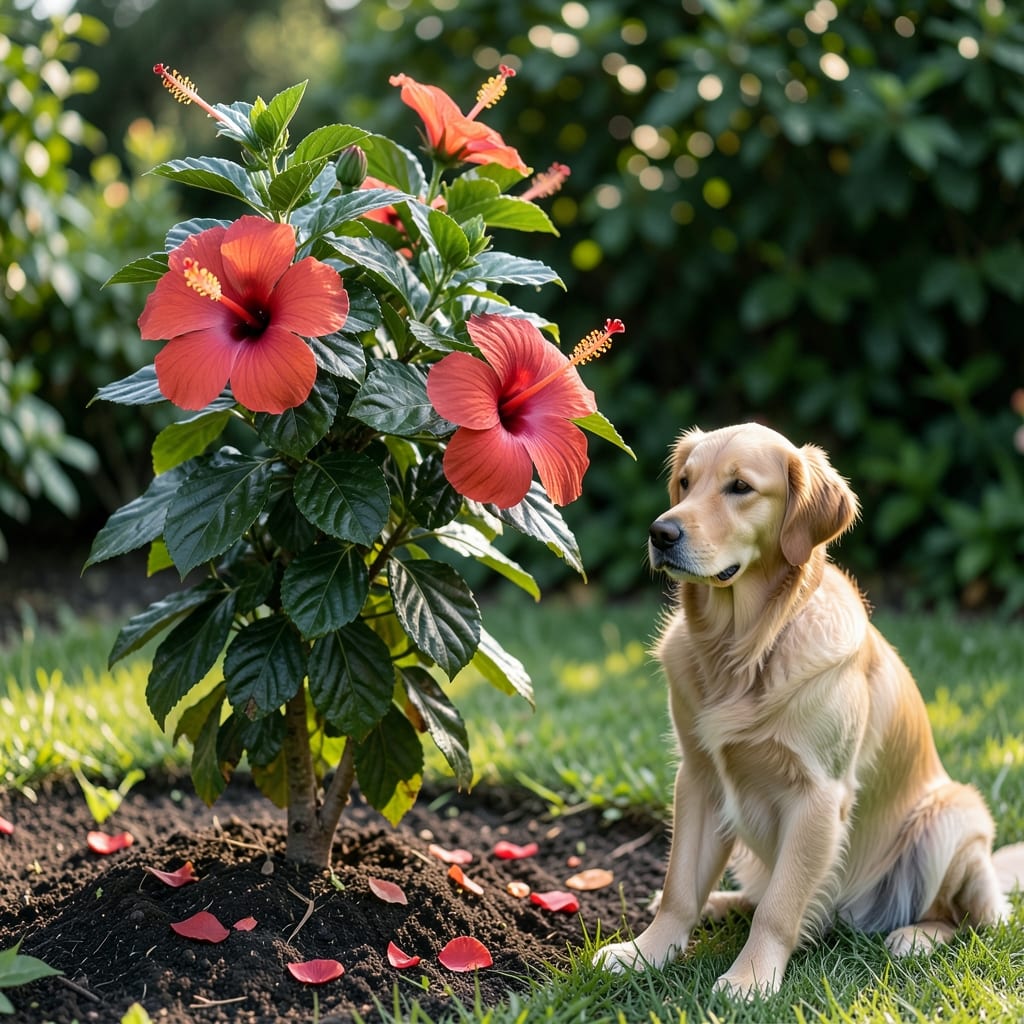
Hibiscus leaves are not typically toxic to dogs, but some species like Hibiscus rosa-sinensis may cause mild stomach upset if ingested in large quantities. Monitor for vomiting or diarrhea.
Most hibiscus plants contain compounds that can irritate a dog’s digestive system if consumed in significant amounts. 🌿 I’ve learned that while severe poisoning is rare, even non-toxic varieties can trigger gastrointestinal discomfort. The key is watching for symptoms like lethargy or loss of appetite, which often appear within 6-12 hours of ingestion.
💡 In This Article
Hibiscus plants contain varied concentrations of saponins and tannins, compounds that can irritate canine digestive systems. While Hibiscus syriacus (Rose of Sharon) has minimal toxicity, Hibiscus rosa-sinensis (Tropical Hibiscus) carries higher levels, potentially causing vomiting or diarrhea if a dog eats 10-20 leaves or more. These compounds disrupt the gut lining, leading to mild inflammation.
🌿
The difference lies in the plant’s chemical defense mechanisms. Tropical varieties evolved stronger deterrents against herbivores, including dogs. In contrast, hardy hibiscus species (like Hibiscus moscheutos) have lower concentrations, making them less likely to cause issues unless consumed in extreme amounts.
The exact threshold varies by dog size—a 10-pound terrier may react to fewer leaves than a 50-pound Labrador.
Symptoms typically appear within 6-12 hours and include drooling, nausea, and loss of appetite. Severe cases are rare but may involve dehydration from persistent vomiting. The plant’s flowers and stems share these compounds, so all parts pose similar risks. Always check your garden for fallen leaves that curious pets might investigate. ✨
Veterinary toxicology studies show most dogs recover within 24-48 hours with supportive care. However, pre-existing conditions like kidney disease can exacerbate reactions. When in doubt, the Pet Poison Helpline recommends removing access to the plant and offering plenty of water to flush the system. Monitoring is key, as symptoms often resolve without intervention. 💫
For complete peace of mind, consider dog-safe alternatives like sunflowers or roses in your landscaping. These provide similar aesthetic appeal without the chemical concerns. If you must keep hibiscus, place it in elevated planters or fenced areas where pets can’t reach. Prevention remains the most effective strategy for keeping your dog safe and healthy. ⚡
Hibiscus syriacus (Rose of Sharon) is the least concerning, with minimal toxic compounds. Still, limit exposure to prevent mild stomach upset. Always supervise pets around any plant.
Signs like vomiting or diarrhea typically develop within 6-12 hours. Smaller dogs may show symptoms sooner due to their size. Monitor closely during this window.
All parts contain irritants, but leaves and flowers have the highest concentration. A dog would need to eat 10-20 leaves of Hibiscus rosa-sinensis to risk serious issues.
For mild cases, withhold food for 4-6 hours and offer water. Never induce vomiting without vet guidance. Severe symptoms require professional care.