
Beautiful Plants For Your Interior
Beautiful Plants For Your Interior
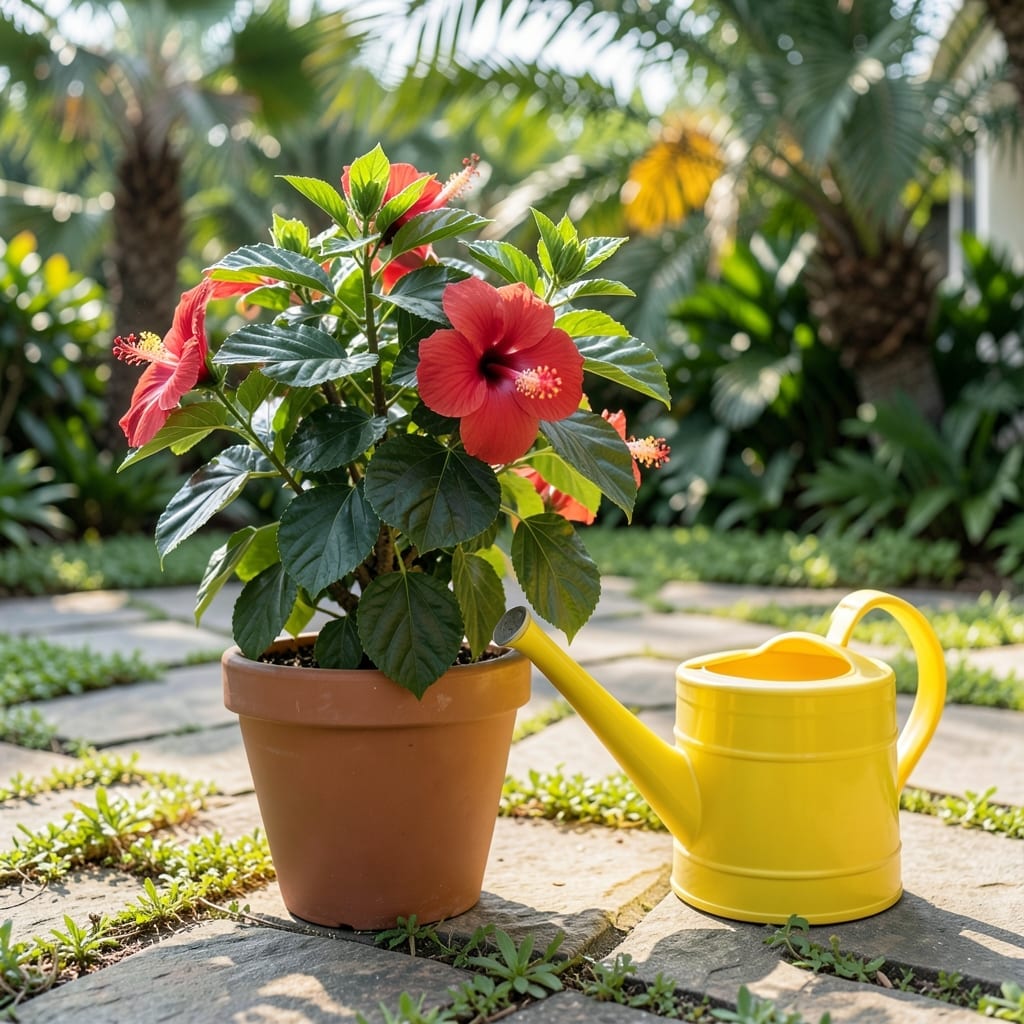
Getting your 🌺 Hibiscus watering just right can feel like a balancing act. Too much or too little water, and those stunning blooms may never appear.
I’ve found that understanding its seasonal needs is the key to keeping this tropical beauty thriving. The good news? It’s simpler than you might think.
Discover how to nail the perfect moisture level for vibrant, healthy Hibiscus plants that will be the envy of your garden.
Getting the watering schedule right is crucial for healthy hibiscus. These tropical plants thrive with consistent moisture but despise soggy roots. I’ve learned that adjusting watering by season makes all the difference.
The key is understanding how temperature and growth stages impact their needs. In warmer months, they’ll drink up more, while cooler seasons require a lighter touch.
| Season | Watering Frequency | Notes |
|---|---|---|
| Spring | Weekly | New growth needs steady moisture |
| Summer | 2-3x per week | Hot weather demands more water |
| Fall | Weekly | Reduce as temperatures cool |
| Winter | Bi-weekly | Dormant plants need less water |
In spring, I water my hibiscus once a week to support new growth. The soil should stay evenly moist but never waterlogged. This is when the plant is establishing its roots and preparing for blooms.
When summer heat arrives, I increase watering to 2-3 times per week. The blazing sun can dry out soil quickly, so I check the top inch of soil daily. If it’s dry, it’s time to water deeply.
In fall, I scale back to weekly watering as temperatures drop. The plant’s growth slows, so it needs less moisture. However, I still ensure the soil doesn’t dry out completely.
Winter is the easiest season for watering. My hibiscus enters dormancy, so I water every two weeks. Overwatering during this period can lead to root rot, which is a common mistake.
For potted hibiscus, I adjust slightly. They dry out faster, so I water every 5-7 days in summer and reduce to every 10-14 days in winter. Always check the soil first!
Remember, these are general guidelines. Your local climate and soil type may require adjustments. Sandy soil drains faster, while clay holds moisture longer. I always recommend using a moisture meter for precision.
Finally, morning watering is ideal. It allows the plant to absorb moisture before the heat of the day and reduces the risk of fungal diseases. I’ve found this simple habit leads to healthier, more vibrant blooms.
Your hibiscus will tell you when it’s getting too much or too little water. The key is learning to read the subtle signs before they become serious problems. I’ve saved many plants by catching these early warnings.
Both overwatering and underwatering stress the plant, but they show up in different ways. Yellow leaves often mean too much water, while crispy edges usually indicate not enough.
| Issue | Signs | Solution |
|---|---|---|
| Overwatering | Yellowing leaves, mushy stems, root rot | Reduce watering, improve drainage |
| Underwatering | Wilting, crispy edges, leaf drop | Water deeply, add mulch |
With overwatering, I notice yellow leaves first, often accompanied by mushy stems. The soil stays soggy, and there might be a foul smell from root rot. This is a serious condition that can kill the plant if not addressed quickly.
Underwatering shows up as wilting leaves that feel crispy to the touch. The edges turn brown, and the plant may drop leaves prematurely. I’ve found that consistent deep watering usually revives underwatered hibiscus within a day or two.
For both issues, I recommend checking the soil moisture an inch below the surface. If it’s bone dry, it’s time to water. If it’s waterlogged, hold off and let it drain. A moisture meter can take the guesswork out of this process.
Remember, hibiscus plants are more forgiving of underwatering than overwatering. It’s easier to revive a thirsty plant than to save one with root rot. When in doubt, it’s better to water less frequently but more thoroughly.
I’ve learned that well-draining soil is your best defense against overwatering. Adding perlite or sand to the planting mix can prevent water from pooling around the roots. This simple step has saved me from many watering mishaps 🌺