
Beautiful Plants For Your Interior
Beautiful Plants For Your Interior
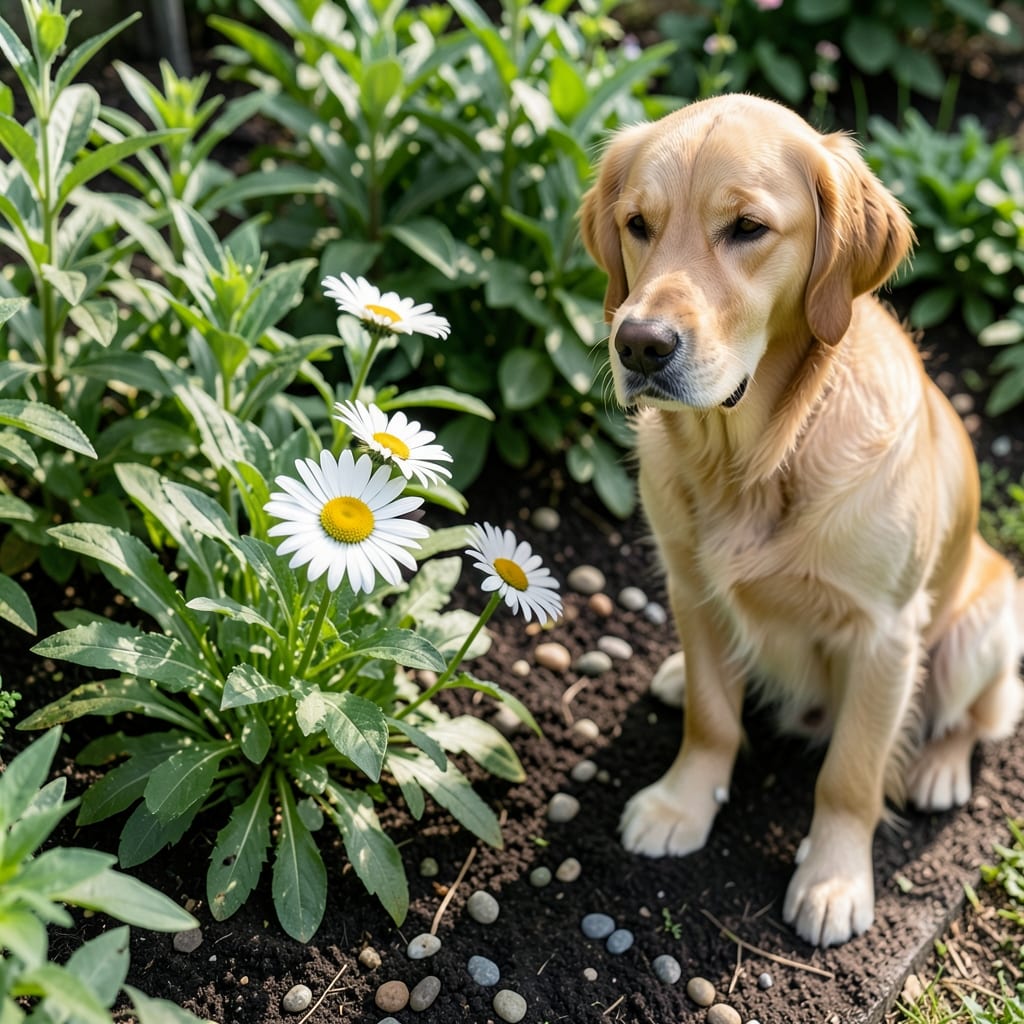
Most daisies are toxic to dogs, causing symptoms like vomiting, diarrhea, and skin irritation. The Oxeye and English varieties are particularly dangerous. Immediate vet care is advised if ingestion occurs.
As a pet owner, I always check plant toxicity because compounds like lactones and pyrethrins in daisies can trigger digestive distress or dermatitis in dogs. 💛 Even small amounts may cause discomfort, so it’s wise to keep these flowers out of reach or opt for non-toxic alternatives in your garden.
💡 In This Article
Daisies contain sesquiterpene lactones and pyrethrins, compounds that trigger adverse reactions in canines. These toxins irritate the gastrointestinal tract, leading to vomiting or diarrhea within 1-2 hours of ingestion. The body’s immune system may also overreact, causing skin inflammation or itching upon contact. 🔥
Oxeye daisies pack higher concentrations of these irritants than common varieties. A dog weighing 20 lbs might show mild symptoms from nibbling a few petals, while consuming entire stems could induce lethargy or loss of appetite. Pyrethrins, often used in insecticides, disrupt sodium channels in nerve cells, overstimulating a dog’s nervous system. 🌟
Severity varies by daisy type and ingestion amount. English daisies contain tannins that compound irritation, while Gerbera daisies typically cause milder reactions. Watch for excessive drooling, pawing at the mouth, or reddened skin—these signal your pet’s system is fighting the toxins. Immediate removal of plant material from their mouth can reduce absorption. ⚡
These compounds persist even in dried or wilted daisies. A curious pup might chew fallen blooms during a walk, so inspect your yard and walking routes. The ASPCA notes that while fatal cases are rare, untreated severe reactions may lead to dehydration or secondary infections. Always err on the side of caution with floral exposure.
✨
Canine livers process these toxins slowly, meaning symptoms may worsen over 6-12 hours. Small breeds and puppies face higher risks due to their lower body weight. If you suspect daisy ingestion, note the time and amount consumed—this helps vets determine the appropriate treatment, from induced vomiting to IV fluids. 💫
Remove any plant material from their mouth immediately. Call your vet or the ASPCA Poison Control at 888-426-4435 right away. Don’t wait for symptoms to appear—early intervention is key.
Oxeye and English daisies contain higher concentrations of sesquiterpene lactones and tannins. These compounds cause stronger reactions, from severe vomiting to skin irritation. Gerbera daisies typically cause milder symptoms.
Most dogs show signs within 1-2 hours of ingestion. However, symptoms can develop over 6-12 hours as their liver processes the toxins. Watch for drooling, lethargy, or pawing at the mouth.
Yes, the toxins remain active even in wilted or dried plants. Fallen petals or stems can still cause reactions if ingested. Always inspect your yard and walking routes for any daisy remnants.