
Beautiful Plants For Your Interior
Beautiful Plants For Your Interior
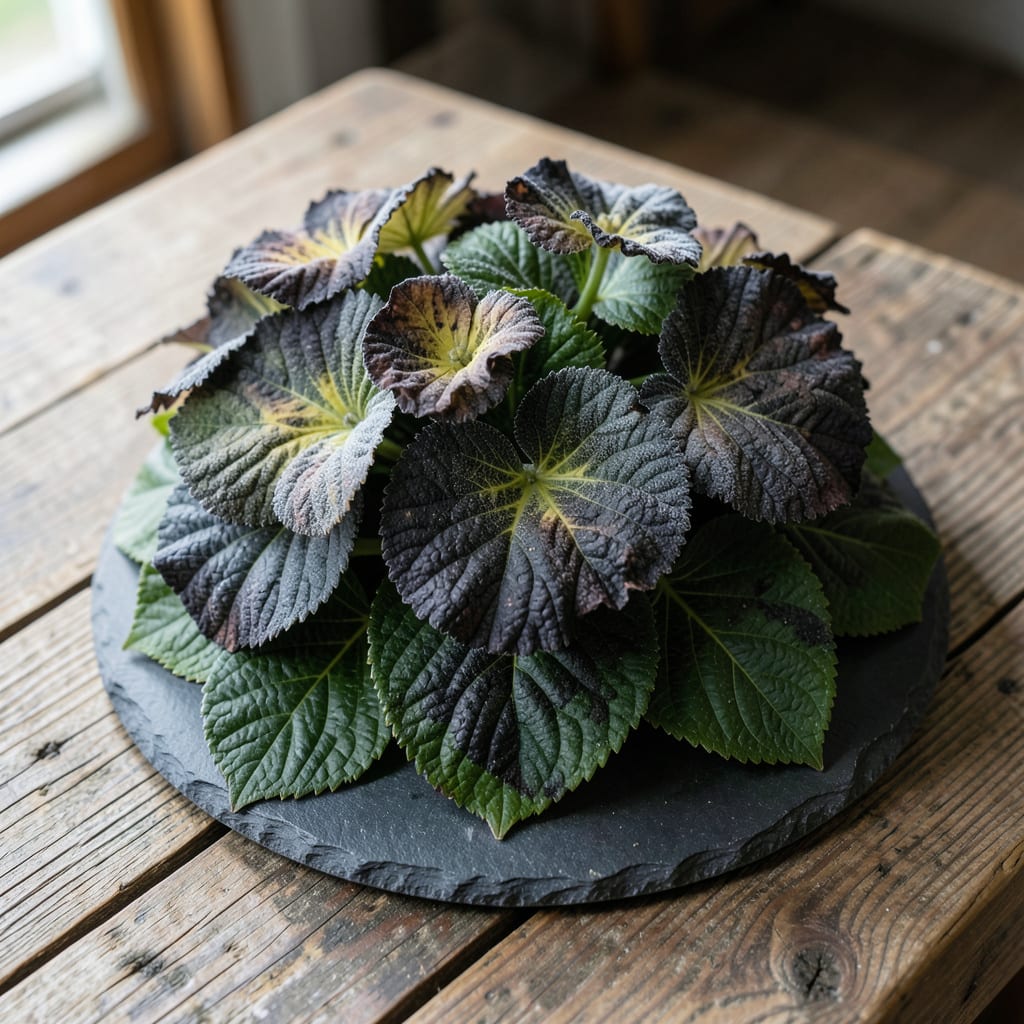
Woke up to blackened hydrangea leaves after a surprise frost? I’ve been there. Those crisp, damaged edges don’t mean your plant is done for—it’s just stressed.
With the right steps, new growth will emerge healthier than ever. We’ll cover how to trim the damage, protect the rest, and set your hydrangea up for a strong rebound.
📚 In This Guide
Here’s how I nurse my hydrangeas back to health after frost damage, with simple steps anyone can follow.
First, I wait until the weather warms slightly—usually after 24-48 hours above freezing. This gives the plant time to reveal the full impact of the cold. Frost-damaged leaves often appear blackened, wilted, or mushy to the touch, while stems may look shriveled or split.
I gently run my fingers over the leaves and stems to check for firmness. Healthy tissue feels plump and springy, while damaged parts feel soft or brittle. If the damage is only on the outermost leaves, the plant will likely recover quickly with minimal intervention.
Using clean, sharp pruners, I remove any leaves or stems that are completely blackened or mushy. I cut back to just above a set of healthy buds or leaves, making sure not to remove more than one-third of the plant at a time. This prevents further stress and allows the hydrangea to focus its energy on regrowth.
If the damage is extensive and most of the foliage is affected, I resist the urge to prune heavily. Instead, I trim only the worst of it and wait to see how the plant responds over the next 7-10 days. Over-pruning can shock the plant and delay recovery.
Frost can dehydrate the plant, so I give it a deep watering to help it recover. I soak the soil around the base until it’s moist to a depth of 6-8 inches. If the ground is still frozen, I wait until it thaws before watering to ensure the roots can absorb the moisture.
I avoid wetting the remaining leaves, as this can increase the risk of fungal issues. Instead, I direct the water at the soil level. If the weather is dry, I check the soil daily and water again when the top 1-2 inches feel dry to the touch.
If more cold snaps are forecasted, I shield the hydrangea with a layer of frost cloth or burlap draped loosely over the plant. I secure it with stakes or ties to prevent it from touching the foliage directly, as this can cause additional damage.
For potted hydrangeas, I move them to a sheltered location, like a garage or covered porch, during extreme cold. I make sure they still receive some light, as complete darkness can weaken the plant. Once the threat of frost passes, I remove the protection to allow airflow and sunlight.
After 1-2 weeks, once the plant shows signs of new growth, I apply a balanced, water-soluble fertilizer at half the recommended strength. This gives the hydrangea a gentle boost without overwhelming its recovering system.
I focus on fertilizing the soil rather than the leaves, as damaged foliage won’t absorb nutrients effectively. I also avoid high-nitrogen fertilizers, which can promote leafy growth at the expense of blooms. Instead, I choose a formula with balanced nitrogen, phosphorus, and potassium to support overall health.
Here’s what I’ve learned from nursing countless hydrangeas back to health after frost damage.
The Waiting Game: In Step 1, those 24-48 hours above freezing are non-negotiable. I made the mistake of assessing too soon once, and pruned perfectly healthy tissue that just needed time to recover. Patience here prevents unnecessary damage.
Pruning Precision: When you reach Step 2, stick to removing no more than one-third of the plant at once. Confession: I over-pruned early on and set my hydrangea back by weeks. Even if most leaves look damaged, trim only the worst and give it those 7-10 days to show true recovery.
Watering Wisdom: Step 3’s deep watering to 6-8 inches depth is crucial, but here’s what nobody tells you—check the soil temperature first. If it’s still frozen, wait. Watering frozen ground just creates ice that can damage roots. Also, that 1-2 inch dry test at the surface is your best indicator for when to water again.
Protection Perfection: For Step 4, the key is loose draping of your frost cloth or burlap. I learned this the hard way after pressing fabric directly against foliage, which caused more cold damage. Secure it with stakes so air can circulate, and remember to remove it once frost danger passes.
Look for blackened, mushy, or wilted leaves, often with crispy edges. Frost damage typically appears after a cold snap and affects new growth first.
Yes! Prune damaged leaves back to healthy growth, and the plant will often regrow. Hydrangeas are resilient, but avoid fertilizing until new growth appears.
Wait until spring when new growth starts. Pruning too early can remove healthy buds. For bigleaf hydrangeas, prune just above a leaf node.
Apply a thick layer of mulch around the base, wrap the plant in burlap, or use frost cloth. Potted hydrangeas should be moved to a sheltered spot.
It depends. If flower buds were damaged, blooms may be delayed or reduced. Bigleaf hydrangeas are more vulnerable, while panicle types often rebound better.
