
Beautiful Plants For Your Interior
Beautiful Plants For Your Interior
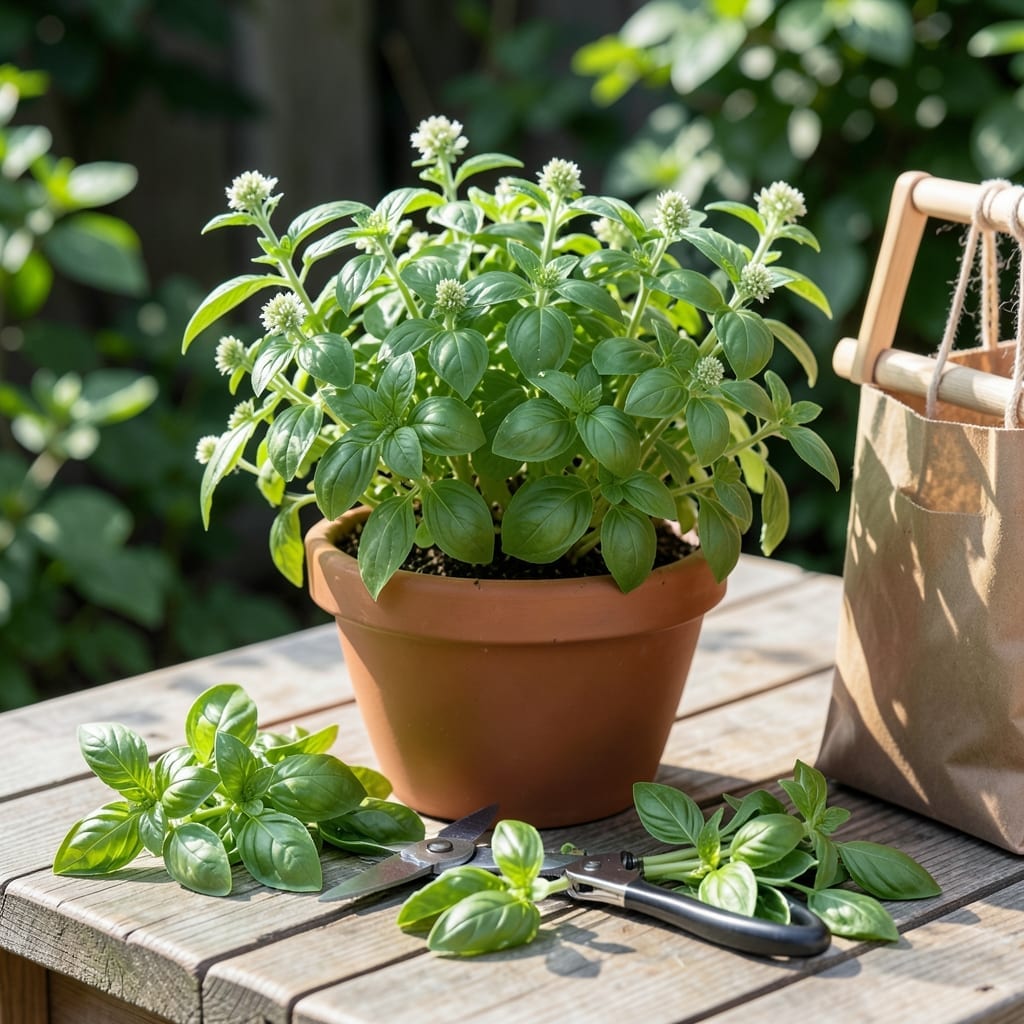
There’s nothing quite like the aroma of fresh 🌿 Basil filling your kitchen. But what happens when your harvest exceeds immediate needs? Drying this versatile herb is your ticket to preserving that summer-fresh flavor.
I’ve found that proper drying transforms those leafy green bunches into a pantry staple that lasts for months. Whether you’re a seasoned gardener or just starting out, this simple process ensures none of your hard-earned harvest goes to waste.
Discover the easiest methods to lock in that vibrant taste and keep your dishes bursting with flavor all year long. Let me walk you through the best techniques that actually work.


Drying basil herbs at home is easier than you think. I always start by harvesting healthy stems in the morning when the essential oils are most concentrated. This ensures maximum flavor retention.
Before drying, I gently rinse the basil leaves and pat them dry with a clean towel. Removing excess moisture prevents mold during the drying process. Now, let’s dive into the methods that work best.
For air drying, I bundle 5-6 stems together and hang them in a dry spot. This traditional method takes 1-2 weeks but preserves the most flavor. Make sure the area has good airflow.
The oven method is faster, taking just 1-4 hours at 170°F. I spread leaves on a baking sheet and prop the door open slightly. This allows moisture to escape while preventing overheating.
A food dehydrator offers the most control. I set it to 95-115°F and arrange leaves in a single layer. This usually takes 1-4 hours depending on humidity levels.
For microwave drying, I place leaves between paper towels and use 30-second bursts on low power. This is the quickest method but requires close attention to prevent burning.
No matter which method I choose, I always check for crisp leaves that crumble easily. This indicates they’re fully dried. Under-drying can lead to mold, while over-drying reduces flavor.
Once dried, I store my basil leaves in airtight containers in a cool, dark place. Whole leaves keep their flavor longer than crushed ones, so I store them whole and crush as needed.
Remember, the key to great dried basil is patience and proper storage. With these methods, I enjoy garden-fresh flavor all year round, even in the dead of winter. 🌿
Choosing the right drying method for your basil herbs depends on your time and tools. I’ve tested all the common approaches, and each has its advantages for preserving that fresh garden flavor.
Some methods prioritize speed, while others focus on flavor retention. The key is matching the technique to your needs and setup.
| Method | Time | Flavor Retention | Best For |
|---|---|---|---|
| Air Drying | 1-2 weeks | ⭐⭐⭐⭐⭐ | Traditional, no tools needed |
| Oven Drying | 1-4 hours | ⭐⭐⭐⭐ | Fast, consistent results |
| Dehydrator | 1-4 hours | ⭐⭐⭐⭐⭐ | Precise control, even drying |
| Microwave | 5-10 minutes | ⭐⭐⭐ | Quickest, small batches |
Air drying is my go-to for maximum flavor preservation. It’s the slowest but keeps the essential oils intact. I love that it requires no special equipment—just time and patience.
For faster results, the oven method works well if you monitor it closely. I set mine to the lowest temperature and leave the door slightly ajar to allow moisture to escape.
A food dehydrator gives me the best of both worlds: controlled heat and even drying. It’s perfect for larger harvests when I want consistent results without constant attention.
The microwave method is my last resort for quick, small batches. While it’s fast, I find it can degrade flavor if not done carefully. I always use low power and short intervals.
No matter which method I choose, I always check for fully dried leaves that crumble easily. This ensures long-term storage without mold or loss of aroma. 🌿