
Beautiful Plants For Your Interior
Beautiful Plants For Your Interior
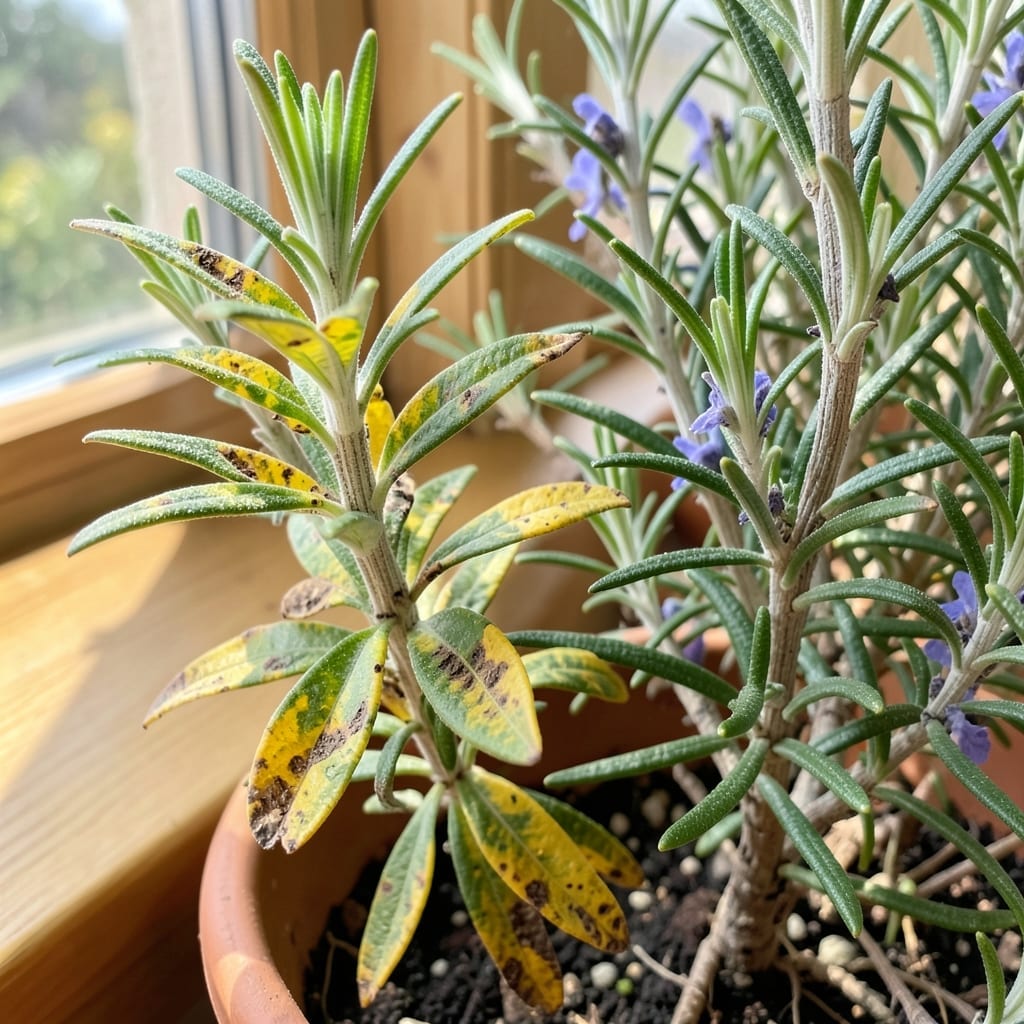
Your rosemary looked indestructible until the spots appeared. I’ve been there—healthy plants one week, trouble the next.
Yellowing leaves, brown patches, or powdery coatings aren’t just eyesores—they’re distress signals. The good news? Most rosemary problems announce themselves early if you know what to look for.
This guide pairs clear photos with straightforward fixes. No guesswork, just solutions that match the symptoms you’re seeing. You’ll spot the difference between fungal issues and environmental stress at a glance.
Early action saves plants. Let’s identify what’s happening and stop it from spreading to the rest of your garden.
Rosemary is hardy, but even this resilient herb can fall victim to diseases when conditions aren’t ideal. Understanding the root causes helps you prevent and address issues before they spread. Below are the primary triggers behind common rosemary diseases, explained with actionable insights.
Fungi like Phytophthora and Botrytis are frequent culprits behind rosemary diseases, especially in humid or poorly ventilated environments. Overwatering or dense plantings create the perfect breeding ground for spores. These pathogens attack roots, stems, and leaves, leading to root rot, leaf spots, or gray mold. Ensure proper drainage and space plants to improve airflow.
Insects such as spider mites, aphids, and scale weaken rosemary by sucking sap or chewing foliage. Their damage creates entry points for secondary infections, including bacterial leaf spot or canker. Regularly inspect plants for pests and treat infestations promptly with neem oil or insecticidal soap to reduce disease risk.
Extreme temperatures, drought, or nutrient deficiencies stress rosemary, making it more susceptible to disease. For example, powdery mildew often appears when days are warm and nights are cool, while nutrient imbalances (e.g., excess nitrogen) can promote lush but weak growth that attracts pathogens. Maintain consistent watering, mulch to regulate soil temperature, and fertilize balancedly.
Bacteria like Pseudomonas and Xanthomonas cause leaf spots and blights, often spread through contaminated soil, tools, or splashing water. Sterilize pruning tools between uses, avoid overhead watering, and remove infected plant debris to break the disease cycle. Rotate planting areas if recurring issues arise.
Dealing with sick rosemary plants? Here’s how to tackle common issues and restore your herb’s health.
If you spot white, powdery spots on leaves, prune affected areas immediately and increase air circulation. Space plants farther apart, and water at the base to keep foliage dry. Prevention tip: 💡 Use a fungicide spray (like neem oil) weekly in humid weather.
Tiny webs or discolored leaves signal spider mites. Spray plants with water to dislodge mites, then apply insecticidal soap. Isolate infested rosemary to stop spreading. Prevention tip: 🌡️ Avoid dry, dusty conditions—mites thrive in them.
Yellowing leaves and mushy stems mean overwatering. Trim rotten roots, repot in fresh, well-draining soil, and reduce watering. Use terracotta pots to improve drainage. Prevention tip: ✨ Let soil dry between waterings.
Sticky residue or curled leaves? Aphids may be the culprit. Introduce ladybugs or spray with soapy water. For severe cases, use horticultural oil. Prevention tip: 🎯 Encourage beneficial insects with companion planting.
Act fast at the first sign of trouble, and your rosemary will bounce back! 🌿
Look for distinct patterns: white powder suggests mildew, while brown spots with yellow halos often indicate fungal infections. Compare your plant’s symptoms to multiple reference images for accuracy.
Yellowing leaves often signal overwatering or poor drainage, leading to root rot. Check soil moisture and ensure pots have drainage holes. Underwatering or nutrient deficiencies can also cause this issue.
For advanced cases, prune affected areas immediately and treat with appropriate fungicides or insecticides. If the roots are mushy or the stem is blackened, it’s often best to remove the plant to protect others.