
Beautiful Plants For Your Interior
Beautiful Plants For Your Interior
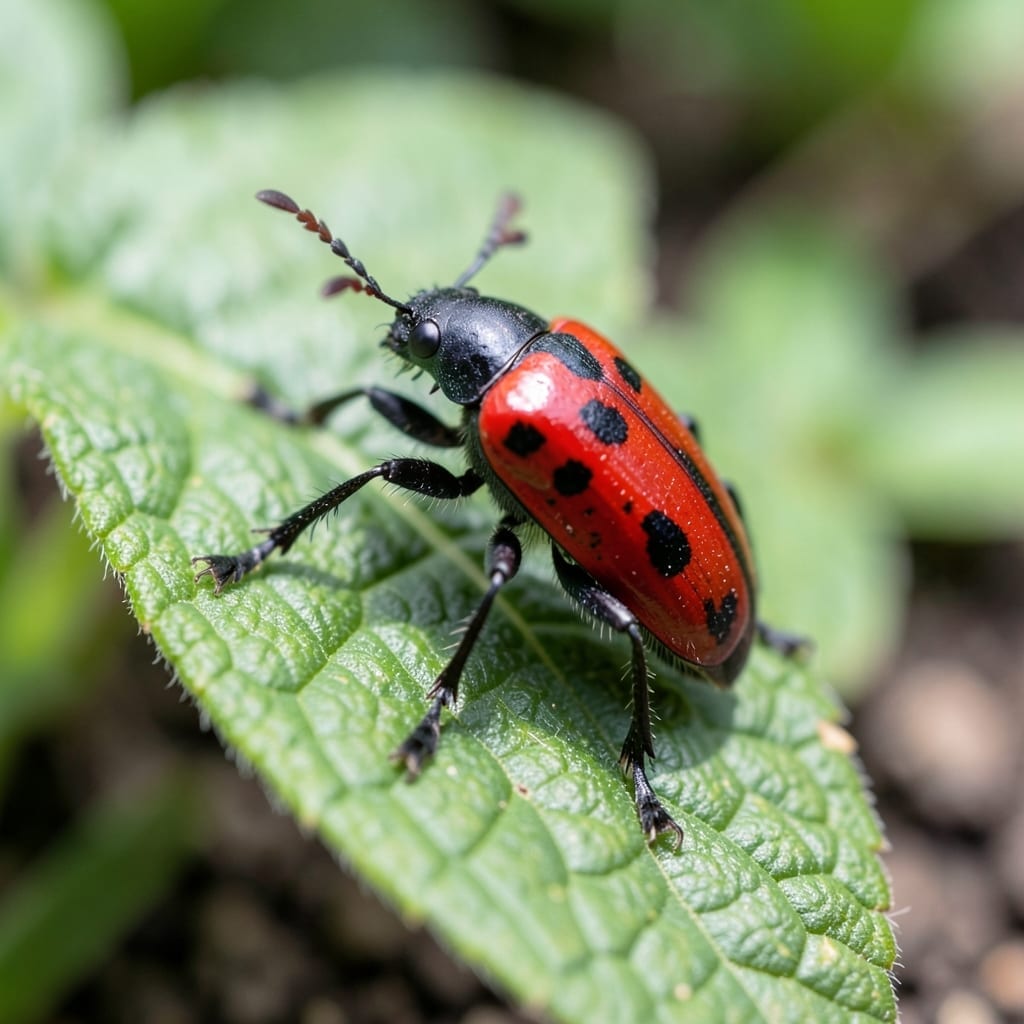
Black widow spiders are drawn to dark, undisturbed areas with abundant prey like insects, clutter, woodpiles, tall grass, and moisture-rich spaces such as sheds or basements.
I’ve noticed these spiders thrive where their food supply is plentiful, so controlling insect populations is key to keeping them away. 🔥 They also favor spots that offer both shelter from predators and ideal humidity for their webs. Regularly decluttering storage areas and sealing cracks can make your property far less appealing to them.
💡 In This Article
Black widows are ambush predators that thrive where insects congregate. Their primary food sources—flies, beetles, and roaches—flock to areas with organic debris like leaf litter or rotting wood, which emit carbon dioxide that attracts prey. A single woodpile can harbor thousands of insects, creating a buffet for these spiders.
These arachnids prefer microclimates with 70-80% humidity, as their exoskeletons lose moisture quickly in dry air. Basements with poor ventilation or sheds with damp flooring provide ideal conditions. Their silk is also hygroscopic—it absorbs atmospheric moisture, which is why they favor spots near water sources like leaky pipes.
Web placement reveals their strategy. Black widows build irregular, three-dimensional webs in 1-3 foot high spaces where insects naturally travel. Under decks, inside hollow stumps, or between stored items in garages, their webs act like invisible tripwires. The silk’s stickiness is 10x stronger than a typical orb weaver’s, ensuring prey can’t escape. 🔥
Their preference for undisturbed areas isn’t just about safety—it’s efficiency. In quiet corners, vibrations from trapped prey travel clearly through the web. Studies show they can detect the weight of a fly as light as 0.0001 grams from 3 feet away. This sensitivity means even minimal human activity can disrupt their hunting.
Temperature also plays a role. Black widows are most active at 70-90°F, which is why they’re often found in warmer months. In cooler climates, they seek out heated structures like boiler rooms or greenhouses. Their metabolism slows below 50°F, making them less likely to inhabit unheated spaces in winter. ✨
They thrive in both but favor outdoor areas like woodpiles and sheds. Indoors, they seek basements, garages, or cluttered storage spaces with 70-80% humidity.
Their silk absorbs moisture, and they need humidity to survive. Leaky pipes or damp areas provide ideal conditions for their webs.
Flies, beetles, and roaches are primary prey. These insects congregate in organic debris, creating a food source that lures black widows.
Their metabolism slows below 50°F. In winter, they seek heated structures like boiler rooms or greenhouses.
Clear debris, store firewood 20 feet from your home, and reduce outdoor lighting at night to limit insect prey.