
Beautiful Plants For Your Interior
Beautiful Plants For Your Interior
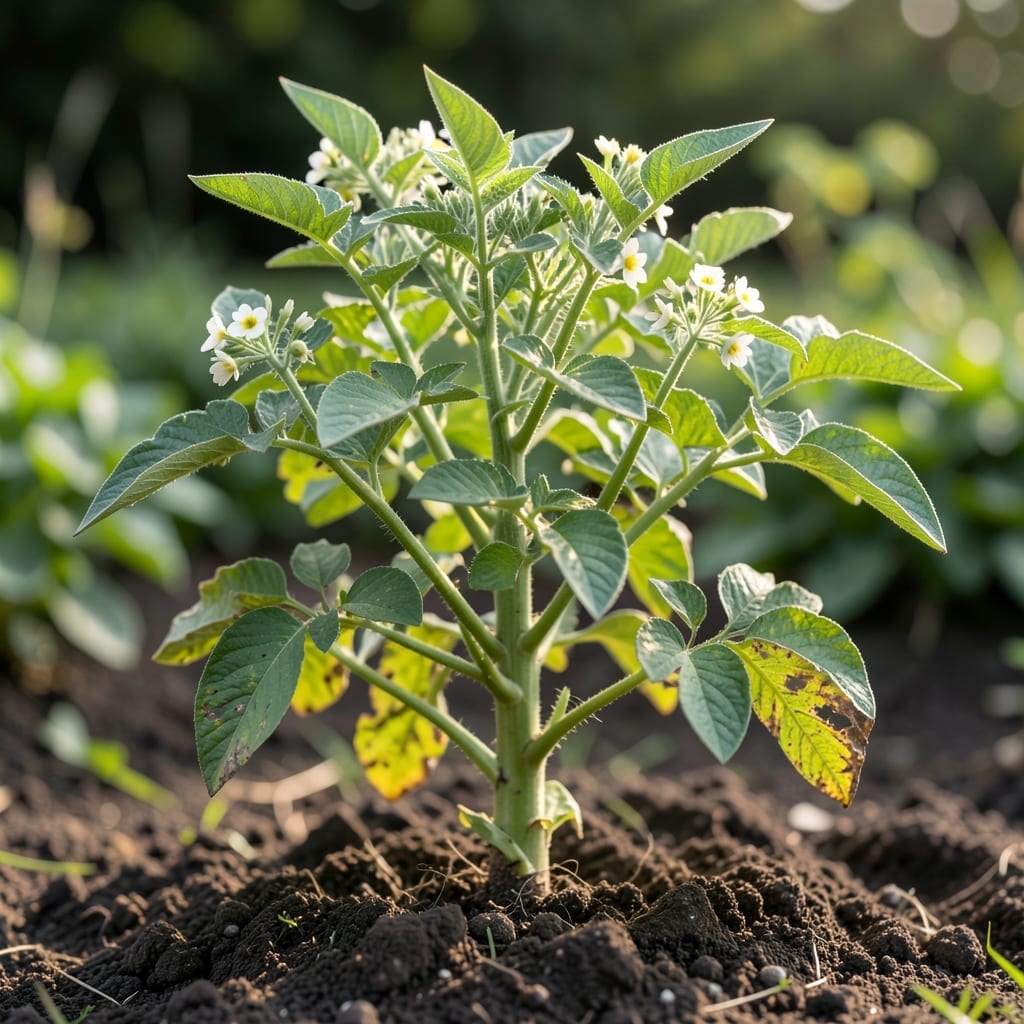
Potato leaves contain toxic solanine and chaconine, glycoalkaloids that can cause nausea, vomiting, or worse if ingested. Always avoid eating any green parts of the potato plant.
I’ve learned these compounds develop as a natural defense mechanism in the potato plant, particularly in the leaves and stems. 🔥 The concentration is highest in green or damaged parts, which is why proper handling is crucial. In my experience, even small amounts can cause discomfort, so it’s best to treat all above-ground parts as inedible.
💡 In This Article
Potato leaves produce solanine and chaconine as natural pesticides. These glycoalkaloids deter insects and fungi by disrupting cell membranes in predators. The concentration in leaves can reach 2-5 mg/g, which is 100x higher than in mature tubers under normal conditions. 🔥
These compounds develop when the plant is exposed to light or damage. The green pigment in leaves and stems signals higher glycoalkaloid levels. Even 0.1% body weight consumption (about 70g for a 150lb person) can cause severe symptoms. Chaconine is particularly bitter, acting as a warning taste. ✨
Solanine resists breakdown during cooking or drying. It remains stable at temperatures up to 200°C (392°F). This persistence makes accidental ingestion dangerous even after processing. The compounds absorb rapidly in the human digestive tract, with effects appearing within 30 minutes to 2 hours. ⚡
Comparison to other nightshades shows potato leaves contain 2-3x more glycoalkaloids than tomato leaves. The plant produces these compounds most actively during flowering. Stress conditions like drought or pest attacks can increase concentrations by 30-50%. 💫
Testing reveals solanine levels above 20 mg per 100g are considered unsafe. Commercial potatoes are bred to keep tuber concentrations below 0.2 mg/g. However, leaves and stems consistently exceed this threshold by 10-50x, making them particularly hazardous. 🌟
They contain solanine and chaconine, natural pesticides the plant produces. These compounds are highly concentrated in leaves, stems, and green tubers. Even small amounts can cause severe digestive distress.
As little as 70g can cause symptoms in a 150lb adult. Effects typically appear within 30 minutes to 2 hours. Never test this—treat all green parts as inedible.
No, these toxins remain stable at cooking temperatures up to 392°F. Boiling, frying, or drying won’t reduce their toxicity. Always discard leaves and stems properly.
Rinse their mouth immediately and call your vet or Poison Control. Watch for vomiting, diarrhea, or lethargy. Keep pets away from potato plants entirely.