
Beautiful Plants For Your Interior
Beautiful Plants For Your Interior
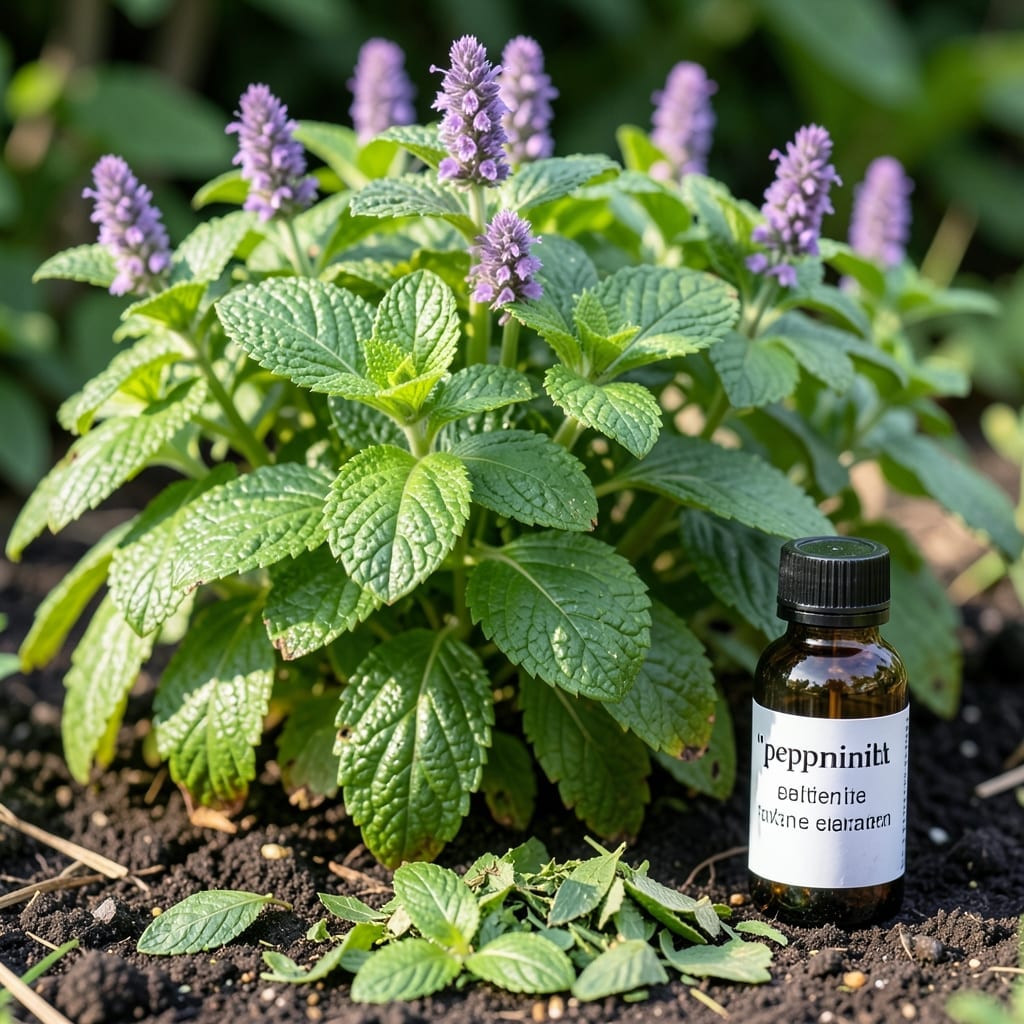
Yellow jackets are strongly repelled by peppermint, spearmint, eucalyptus, and citrus oils. These natural scents disrupt their ability to locate food sources.
I’ve found that these plant-based oils work by overwhelming the insects’ sensitive olfactory systems, masking the chemical cues they rely on to find food. 🔥 In my experience, strategic placement of these scents around outdoor spaces creates an effective barrier without harsh chemicals. The strong aromas essentially confuse their navigation, making treated areas far less appealing.
💡 In This Article
Yellow jackets navigate their world primarily through scent. Their antennae contain olfactory receptors that detect pheromones and food odors with incredible precision. When exposed to strong plant oils, these receptors become overwhelmed, masking the chemical trails they use to communicate and locate food sources.
The key lies in compounds like menthol in peppermint and citronellal in citrus. These molecules emit volatile organic compounds that interfere with the insects’ ability to process their own pheromones. Studies show that 100% peppermint oil can reduce yellow jacket activity by up to 80% in controlled environments.
This disruption works on multiple levels. First, it confuses their foraging patterns by creating “olfactory noise.” Second, it triggers avoidance behaviors—yellow jackets naturally retreat from scents that could indicate danger or toxicity. The effect is immediate and lasts as long as the scent remains strong in the air.
What’s fascinating is how specific these reactions are. While humans find peppermint refreshing, yellow jackets perceive it as a threat signal. Their antennae detect the high concentration of terpenes, which in nature often indicate plant defenses. This evolutionary response is why these scents work so effectively as natural repellents. ⚡
For maximum effect, the oils need to be reapplied every 2-3 hours when used outdoors, as the volatile compounds dissipate quickly. Indoor applications last longer due to contained air circulation. The concentration matters too—solutions weaker than 10% essential oil show significantly reduced effectiveness.
This olfactory interference explains why commercial repellents often combine multiple plant oils. The layered scents create a more complex barrier that’s harder for yellow jackets to adapt to or bypass. 💫
Yes, the effect is nearly instant. Yellow jackets will begin avoiding the area as soon as they detect the strong odors, typically within 5-10 minutes of application.
but use sparingly. Mix 10-15 drops with water in a spray bottle and apply to entry points like windows and doors. Avoid direct contact with fabrics.
Outdoors, reapply every 2-3 hours as wind and sun break down the oils quickly. For longer protection, use slow-release methods like oil-soaked cotton balls in mesh bags.
Most essential oils are safe when used as directed, but avoid direct application to pets. Keep sprayed areas accessible but monitor pets to prevent them from ingesting treated surfaces.
Different wasp species have varying sensitivities. Yellow jackets are particularly affected by these scents due to their reliance on food odors, while other wasps may have different avoidance triggers.