
Beautiful Plants For Your Interior
Beautiful Plants For Your Interior
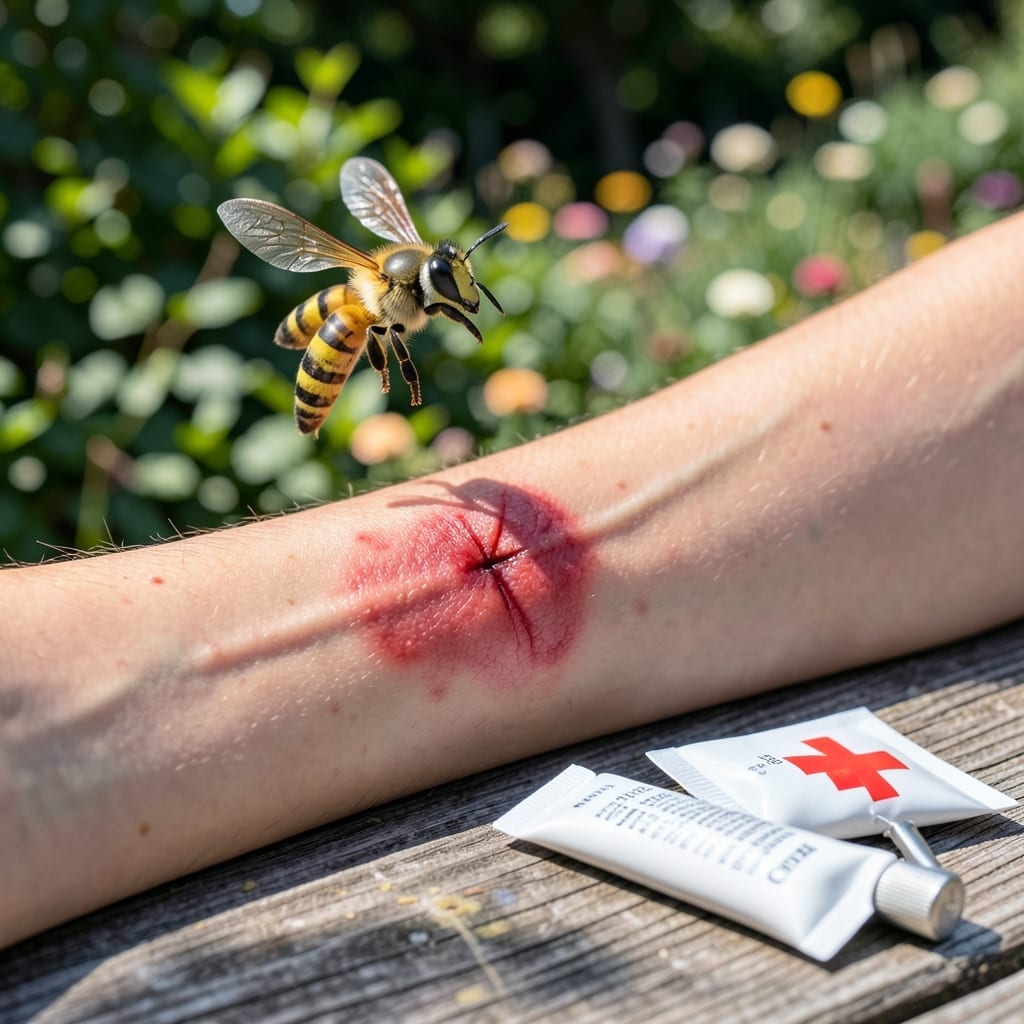
A yellow jacket sting causes sharp pain, redness, and swelling at the site. Some experience itching or a raised welt. Severe allergic reactions may include difficulty breathing and require emergency care.
I’ve learned the venom triggers an immune response that intensifies these symptoms. 🔥 Most people feel immediate burning that fades within hours, but the area can stay tender for days. What’s concerning is how quickly severe reactions like throat swelling or dizziness can escalate, so monitoring is crucial.
💡 In This Article
The venom contains a mix of acetylcholine, melittin, and phospholipase enzymes. Acetylcholine causes the immediate burning pain, while melittin breaks down cell membranes, increasing inflammation. Phospholipase triggers the release of histamine, which intensifies redness and itching. 🔥
Your immune system reacts by releasing additional histamine and other inflammatory chemicals. This creates the classic raised welt and swelling. The severity depends on your sensitivity—some people develop only mild irritation, while others experience intense, widespread reactions. The venom’s acidity (pH around 5.5-6.0) also contributes to the pain by irritating nerve endings. ✨
Multiple stings amplify the effect because the venom volume increases. A single yellow jacket can sting repeatedly, unlike honeybees, which die after one sting. Each additional sting introduces more toxins, overwhelming your immune response and increasing the risk of systemic symptoms like nausea or low blood pressure. 💫
For those with allergies, the immune system overreacts by producing IgE antibodies in response to the venom. This can lead to anaphylaxis, a life-threatening condition where airways constrict and blood pressure drops rapidly. Even if previous stings caused only mild reactions, subsequent ones may trigger a stronger response. ⚡
The venom also contains hyaluronidase, an enzyme that helps it spread faster through tissue. This explains why the pain and swelling can expand beyond the sting site within minutes. Proper first aid can help neutralize these effects before they worsen.
Sharp pain typically fades within 1-2 hours, but swelling and itching may persist for 24-48 hours. The area might stay tender for several days depending on your body’s reaction.
Yes, unlike honeybees, yellow jackets can sting repeatedly because their stingers remain intact. This makes them more aggressive when threatened, so it’s best to move away calmly.
A normal reaction causes localized pain and swelling. An allergic reaction may include hives, difficulty breathing, or swelling of the face—these require immediate medical attention.
Yes, but don’t squeeze it—this can release more venom. Use a credit card or fingernail to scrape it out gently, then clean the area with soap and water.
Seek medical help if you experience dizziness, nausea, or symptoms beyond the sting site. Multiple stings or a history of allergies also warrant professional care.