
Beautiful Plants For Your Interior
Beautiful Plants For Your Interior
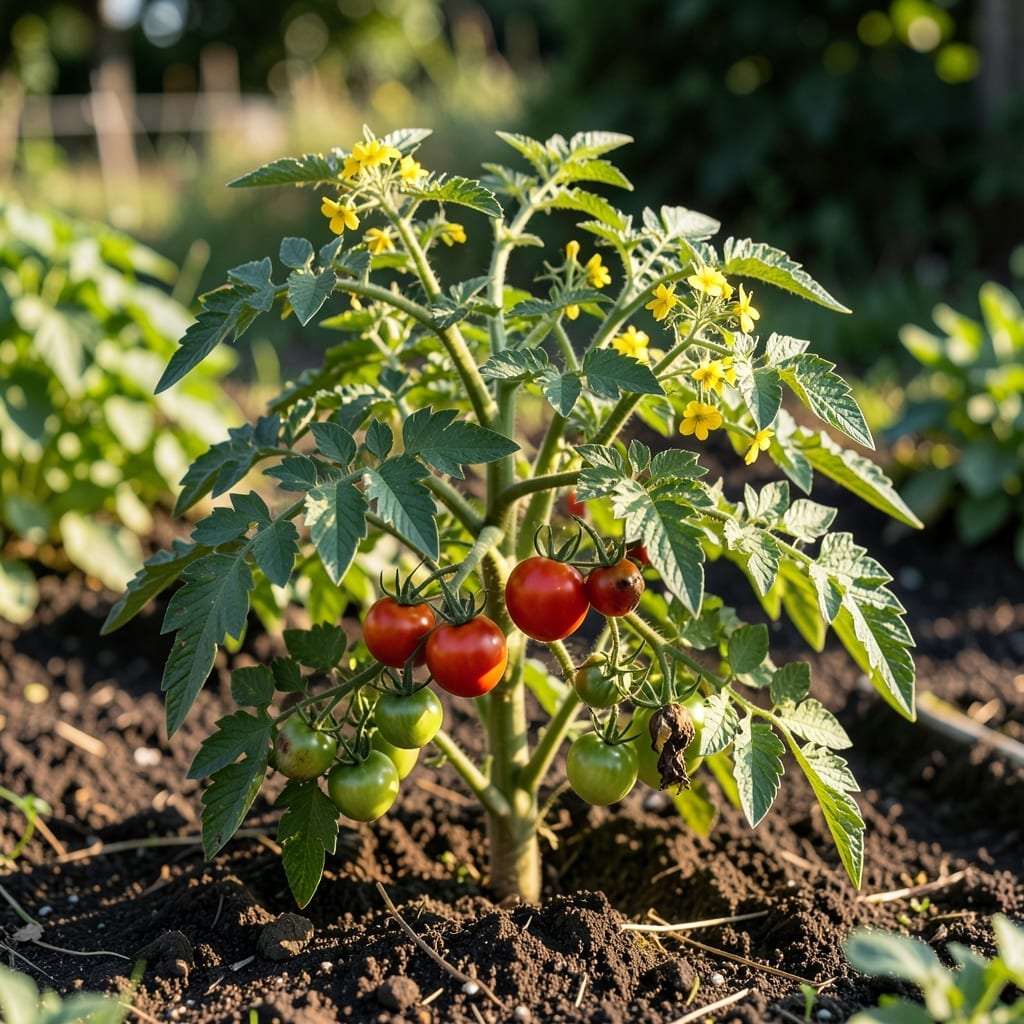
Blossom end rot is primarily caused by calcium deficiency in developing fruit, often triggered by inconsistent watering, poor soil conditions, or rapid plant growth that outpaces calcium uptake.
This issue often appears as a dark, sunken spot at the fruit’s base because uneven moisture levels disrupt nutrient movement. I’ve seen it happen most in tomatoes and peppers during heatwaves or drought stress. The soil might have enough calcium, but the plant can’t absorb it without steady water flow. 🔥
💡 In This Article
Calcium moves through plants via the xylem, which relies on transpiration—the process where water evaporates from leaves. When soil moisture fluctuates, this transport system stalls, leaving developing fruit starved of calcium even if the soil has plenty. During drought or waterlogging, root pressure drops, halting nutrient flow to the fruit’s rapidly growing cells. 🔥
Soil pH dramatically affects calcium availability. At pH 6.0, calcium becomes less soluble, locking it in the soil. Above 7.5, other minerals like magnesium and potassium compete for uptake, reducing calcium absorption. Ideal pH for calcium availability sits between 6.5-7.0, where roots can access it efficiently without interference. ✨
Cell walls in fruit require calcium to form strong structures. Without it, cells collapse, creating the characteristic sunken, leathery spot at the blossom end. This is especially critical during the first 2-3 weeks of fruit development, when cell division is most active and calcium demand peaks.
Rapid growth spurts can outpace supply, even in well-fertilized soil. 💫
Temperature extremes worsen the problem. Heat above 85°F increases transpiration, but if roots can’t keep up with water uptake, calcium transport slows. Meanwhile, cold soil below 50°F reduces root activity, limiting nutrient absorption entirely. This explains why blossom end rot spikes during heatwaves or unseasonable cold snaps. ⚡
Certain crops are more vulnerable due to their growth patterns. Tomatoes and peppers have high calcium demands, while squash and melons show symptoms less frequently. Varieties with rapid fruit expansion, like beefsteak tomatoes, often suffer most because their cells divide quickly, requiring more calcium in a shorter window. 🌟
Yes! Overwatering can be just as problematic as drought. It creates waterlogged soil that suffocates roots, preventing calcium uptake. Aim for consistent moisture—not too wet, not too dry.
Not always. If your soil pH is off, plants can’t absorb the calcium even if it’s present. Test your soil first—ideal pH is 6.5-7.0. Then add amendments like lime or gypsum if needed.
The blossom end is farthest from the stem, so calcium reaches it last. When transport is disrupted, this area gets starved first. Rapid growth in this spot also demands more calcium than the plant can supply.
No, affected fruits won’t recover. Remove them to redirect the plant’s energy to healthy growth. Focus on prevention for future harvests by improving water consistency and calcium availability.