
Beautiful Plants For Your Interior
Beautiful Plants For Your Interior
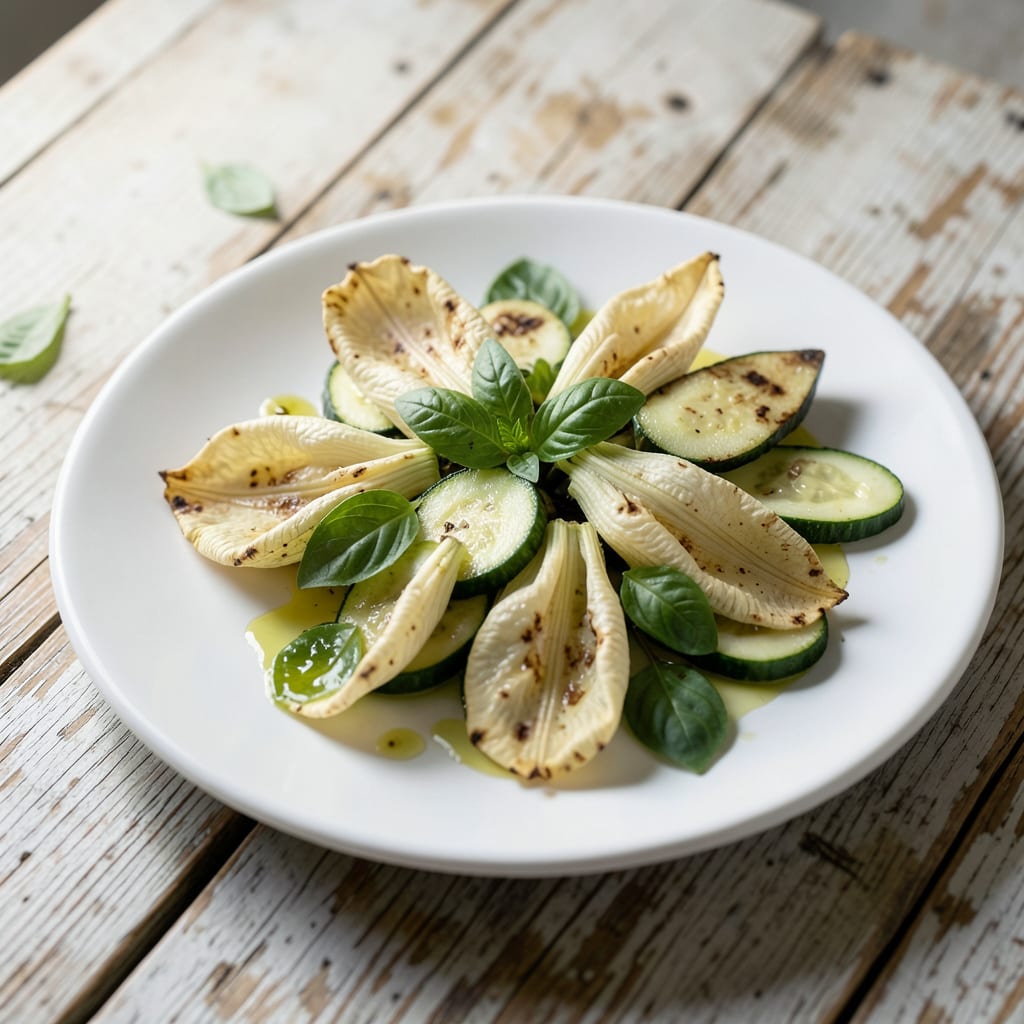
Nothing kills summer squash momentum faster than watching those first blossoms turn brown and drop off. I lost my entire first crop to blossom rot before realizing it wasn’t bad luck—it was bad timing.
The culprit is usually inconsistent watering combined with calcium deficiency, especially during that critical flowering stage. Plants look healthy one day, then blossoms darken and wither before they can even set fruit.
Prevention is simpler than you think: steady moisture, mulch to retain it, and a calcium boost when needed. I’ve saved every squash crop since applying these 3 simple fixes.
No chemicals required, just smart observation and a few proactive steps. Here’s how to keep those blossoms thriving and your harvest on track.
Summer squash blossom rot is primarily a physiological disorder, not a disease caused by pathogens. Several environmental and cultural factors disrupt normal fruit development, leading to the telltale brown, sunken lesions at the blossom end. Here are the most common causes:
The leading cause is localized calcium deficiency in the blossom-end tissue. Even if soil tests show adequate calcium, uneven watering or rapid growth can prevent the plant from transporting enough calcium to the developing fruit. Calcium moves through the plant via water uptake, so drought stress or overwatering (which suffocates roots) disrupts this process.
Inconsistent moisture levels—swinging from very dry to very wet—create stress that interferes with calcium uptake. This is especially critical during fruit set and early development. Sandy soils, which drain quickly, are particularly prone to this issue unless irrigated carefully.
Over-fertilization with nitrogen promotes lush leafy growth at the expense of fruit development. When the plant prioritizes leaves and vines, the blossom-end tissue may not receive sufficient calcium, leading to rot. High-nitrogen fertilizers can also reduce calcium availability in the soil.
Soil that is too acidic (pH below 6.0) or too alkaline (pH above 7.5) can limit calcium solubility, making it less accessible to plant roots. Summer squash thrives in slightly acidic to neutral soil (pH 6.0–6.8), where calcium remains available for uptake.
Blossom rot in summer squash can be frustrating, but these targeted solutions can help rescue your crop and prevent future issues. Address the root causes with these practical fixes.
If your squash plants lack calcium, act fast. Work crushed eggshells, gypsum, or bone meal into the soil around the base of the plant. For a quick fix, spray plants with a calcium-rich foliar spray (like calcium chloride or homemade eggshell tea) every 7–10 days. Prevention tip: 💡 Test your soil in early spring and amend with lime if calcium is low.
Fluctuations in soil moisture disrupt calcium uptake. Water deeply 1–2 times per week (about 1–2 inches) rather than shallow daily watering. Use drip irrigation or soaker hoses to keep foliage dry and maintain even moisture. Prevention tip: ✨ Mulch with straw or wood chips to retain soil moisture and reduce stress.
Heat stress worsens blossom rot. Erect shade cloth (30–50%) during peak afternoon hours or plant taller crops (like corn or sunflowers) nearby to cast natural shade. Prevention tip: 🌡️ Water early in the morning to cool the soil and help plants absorb nutrients before the heat kicks in.
If rot is caused by pathogens, prune affected blossoms and fruits immediately to stop the spread. Apply a copper-based fungicide or neem oil spray as a preventive measure, especially after rain. Prevention tip: 🎯 Rotate crops annually and avoid overhead watering to reduce fungal spores.
If blossoms aren’t pollinated properly, they may rot before fruiting. Use a small brush to transfer pollen from male to female flowers in the morning when they’re open. Prevention tip: 🐝 Plant pollinator-friendly flowers nearby to attract bees and other beneficial insects.
Fluctuating moisture disrupts calcium uptake, which is critical during fruit set. Aim for 1-2 inches of water weekly using drip irrigation for best results.
For immediate help, use a calcium chloride foliar spray. Long-term, work crushed eggshells or gypsum into the soil around plants.
Yes! A 2-3 inch layer of straw or wood chips maintains even soil moisture and reduces stress that leads to blossom rot.
Test with a home kit or send to a lab. For squash, aim for pH 6.0-6.8. Adjust with lime for acidic soil or sulfur for alkaline.
