
Beautiful Plants For Your Interior
Beautiful Plants For Your Interior
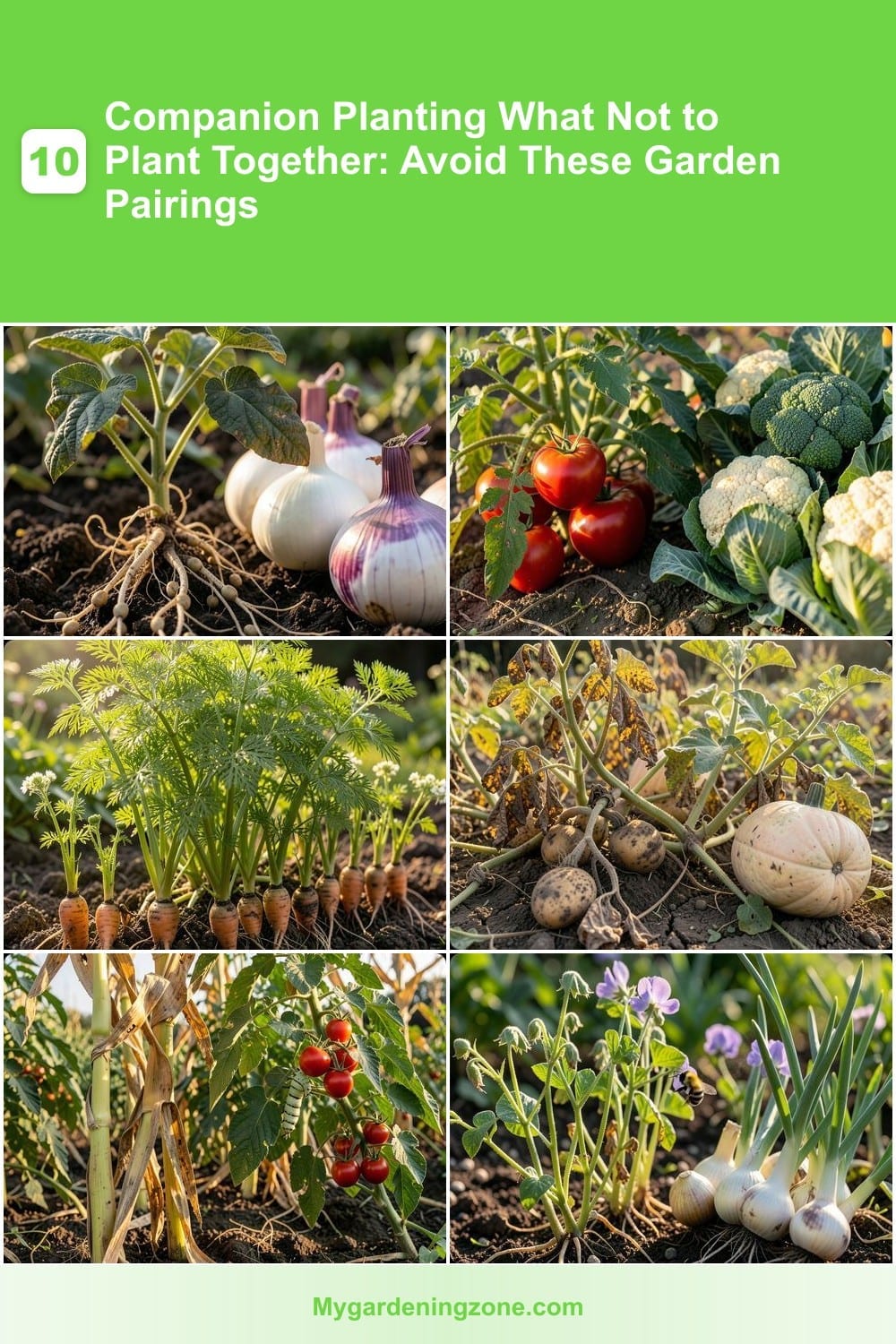
Companion planting can boost your garden’s health, but some plant pairings do more harm than good. These ten bad combinations can stunt growth, attract pests, or even kill your crops—learn which plants to keep apart for a thriving garden.
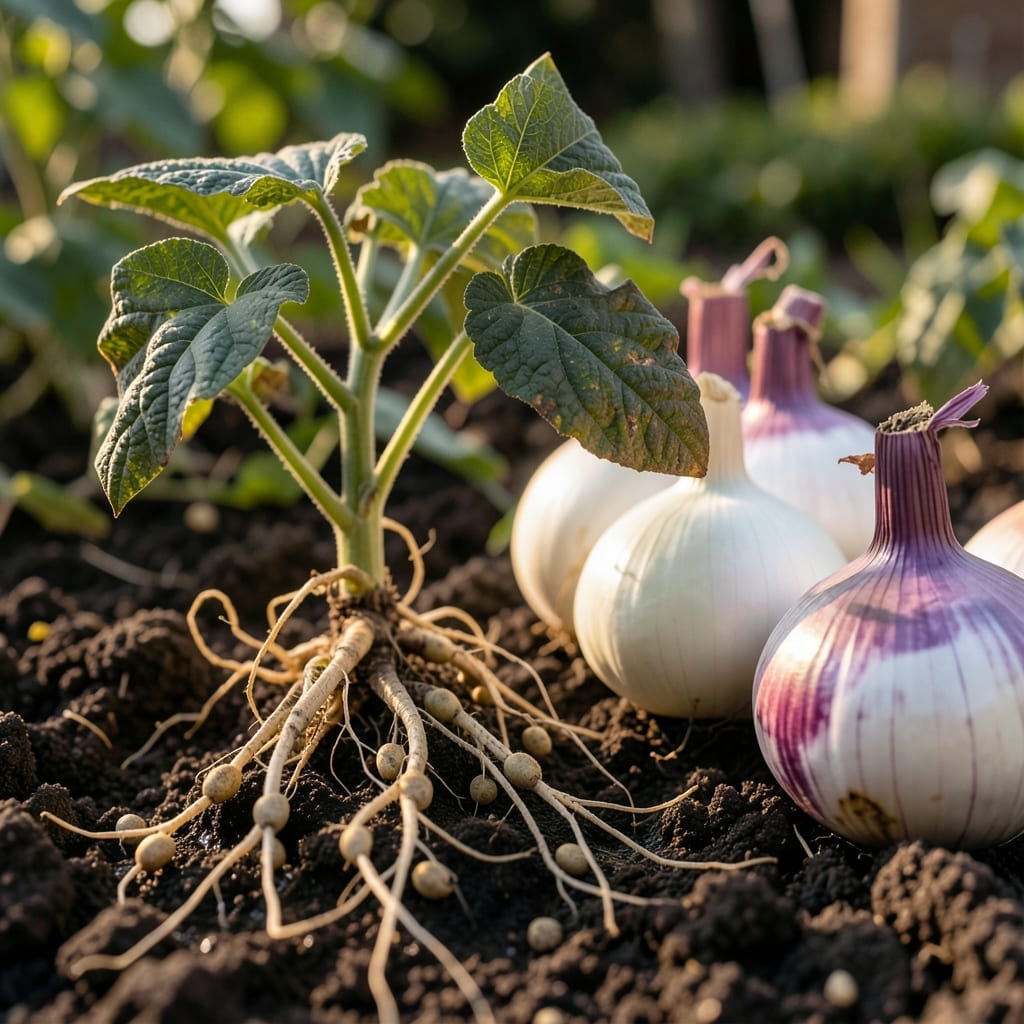
If you’ve noticed your bean plants struggling in the garden, take a look at what’s growing nearby. Planting beans next to onions is a common mistake that can sabotage your harvest before it even begins.
Onions release compounds that disrupt the nitrogen-fixing bacteria living in bean roots. These bacteria are essential for legumes to thrive and produce healthy pods. Without them, your beans will grow slowly and yield poorly, no matter how well you care for them.
This is one pairing to avoid entirely in your vegetable beds. Separate these crops by at least 3 feet or use containers for a thriving legume harvest. 🌱
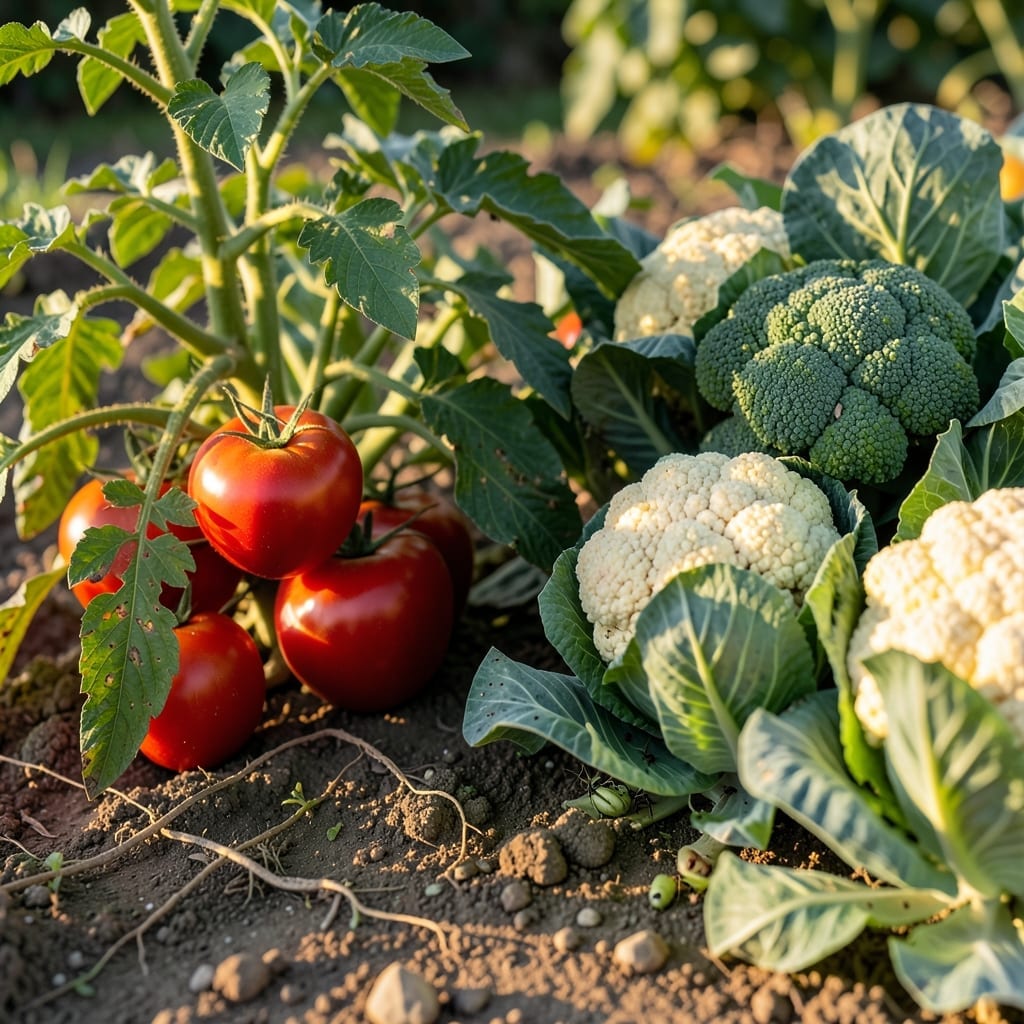
While tomatoes thrive with many companions, cabbage family plants like broccoli and cauliflower are their worst neighbors. These plants are heavy feeders that compete aggressively for the same nutrients and space.
They also share common pests like cabbage worms and aphids, which will happily attack both your tomatoes and brassicas. This double trouble means more pest damage and stunted growth for both crops, leaving you with a struggling garden.
Vegetable gardeners aiming for high yields should always keep these plant families separated by at least 3-4 feet or use physical barriers. 🌱
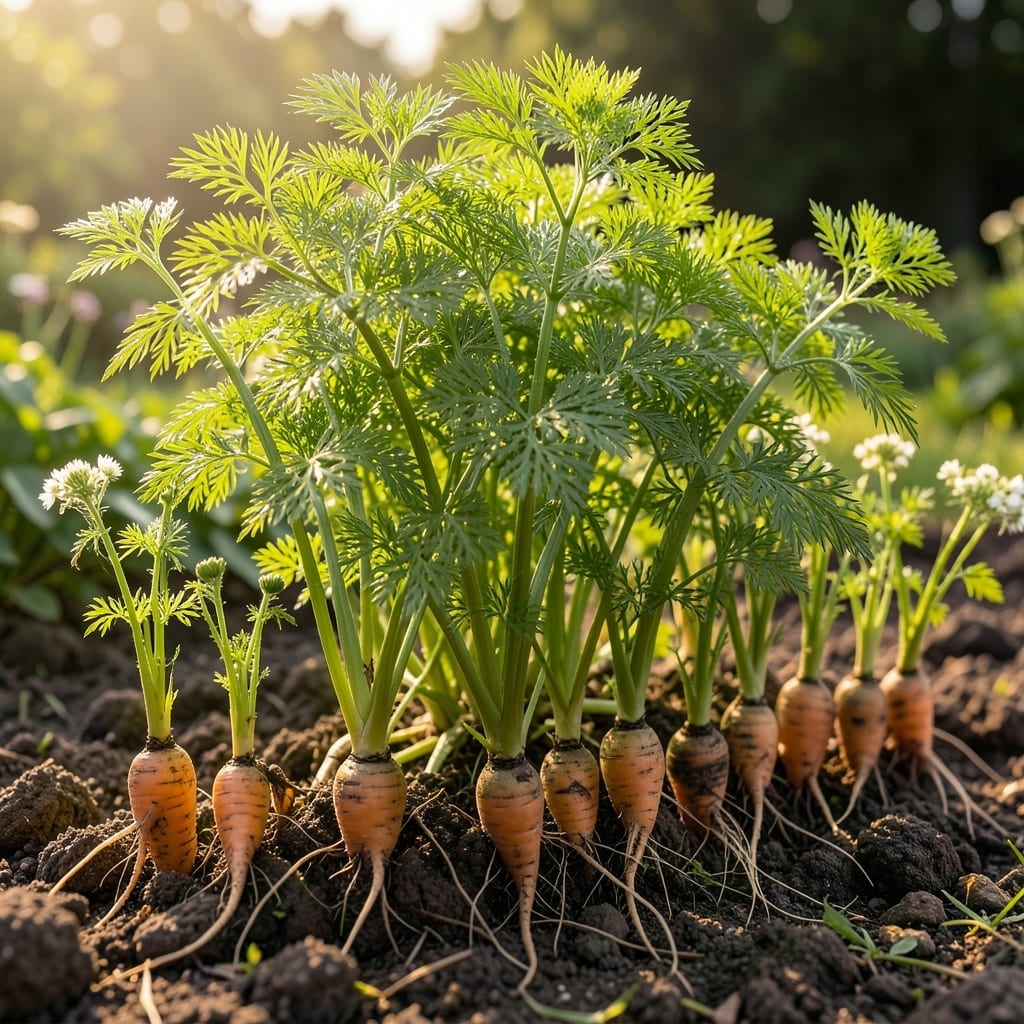
That fresh dill in your garden might be sabotaging your carrot crop without you realizing it. This herb releases natural compounds that trigger premature bolting in carrots, causing them to flower and stop focusing on root development.
When carrots bolt early, their roots remain small, woody, and far less sweet than they should be at harvest. The worst part? You won’t notice the problem until it’s too late to reverse. Keep these plants at least 12 feet apart to avoid this silent conflict.
This pairing is especially frustrating for gardeners aiming for perfect, sweet carrots for fresh eating or storage. 🌱
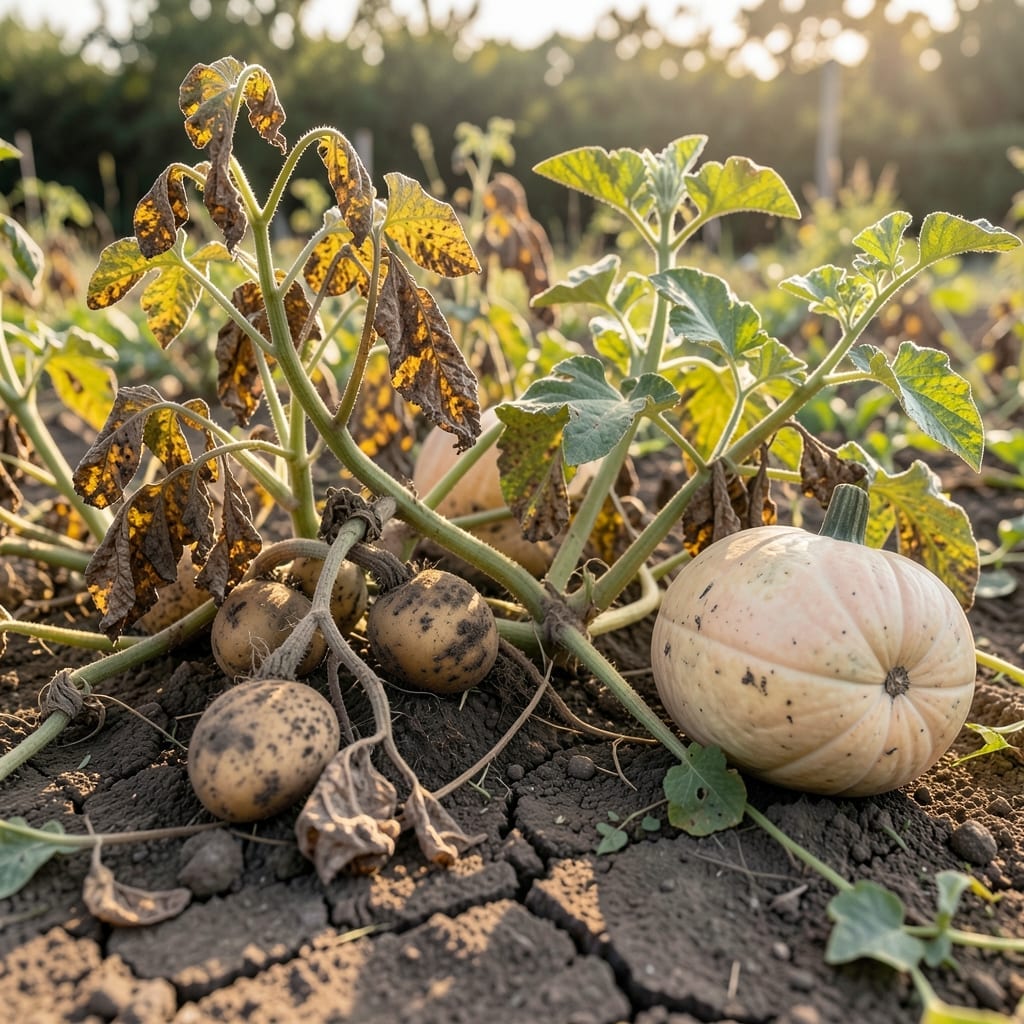
It might seem like a good idea to pair potatoes and pumpkins in your garden, but this combination is a recipe for disaster.
Both are heavy feeders in the nightshade family, meaning they’ll compete fiercely for nutrients and space, leaving both plants stunted. Worse, they share susceptibility to blight diseases, which can spread rapidly between them, wiping out your harvest.
If you’ve planted these together, expect yellowing leaves and poor yields. Keep them separated to give each plant the resources and space it needs to thrive. 🌱
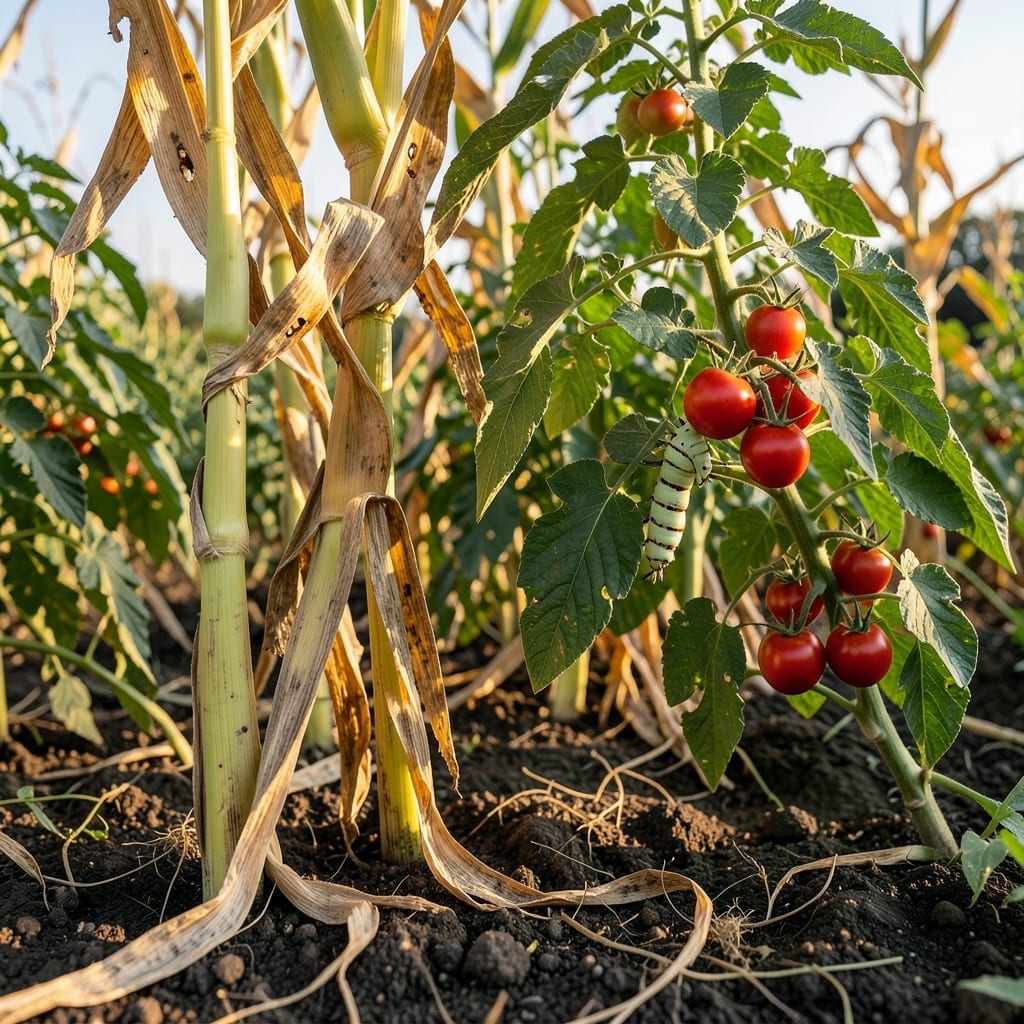
If you’re growing corn and notice unexpected pest damage, check if tomato plants are nearby. These two crops make poor companions because tomatoes attract tomato hornworms, which will happily munch on your corn too.
Beyond the pest issue, both plants are heavy feeders that compete for the same soil nutrients, particularly nitrogen. This competition stunts the growth of both crops, leaving you with underperforming plants and a disappointing harvest.
For the best results, keep these plants separated by at least 20 feet or use physical barriers to prevent hornworm migration. 🌱
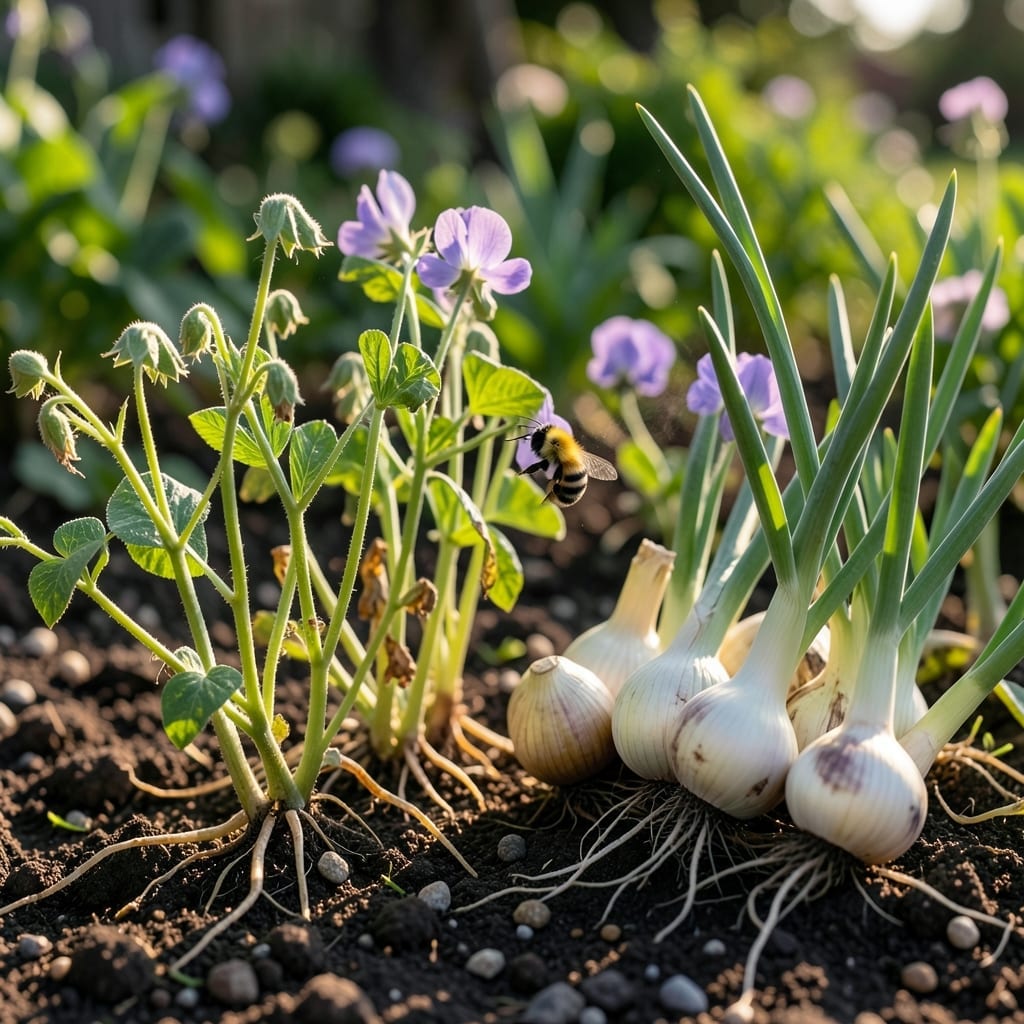
If your pea plants are producing fewer pods than expected, check if garlic is growing nearby. This pairing creates two major problems for your legumes.
Garlic’s pungent scent can disorient the pollinators that peas rely on for pod formation. Additionally, its allelopathic properties may release chemicals that inhibit root development in pea plants, stunting their growth.
Avoid planting these together to ensure healthy pollination and strong root systems for your peas. 🌱
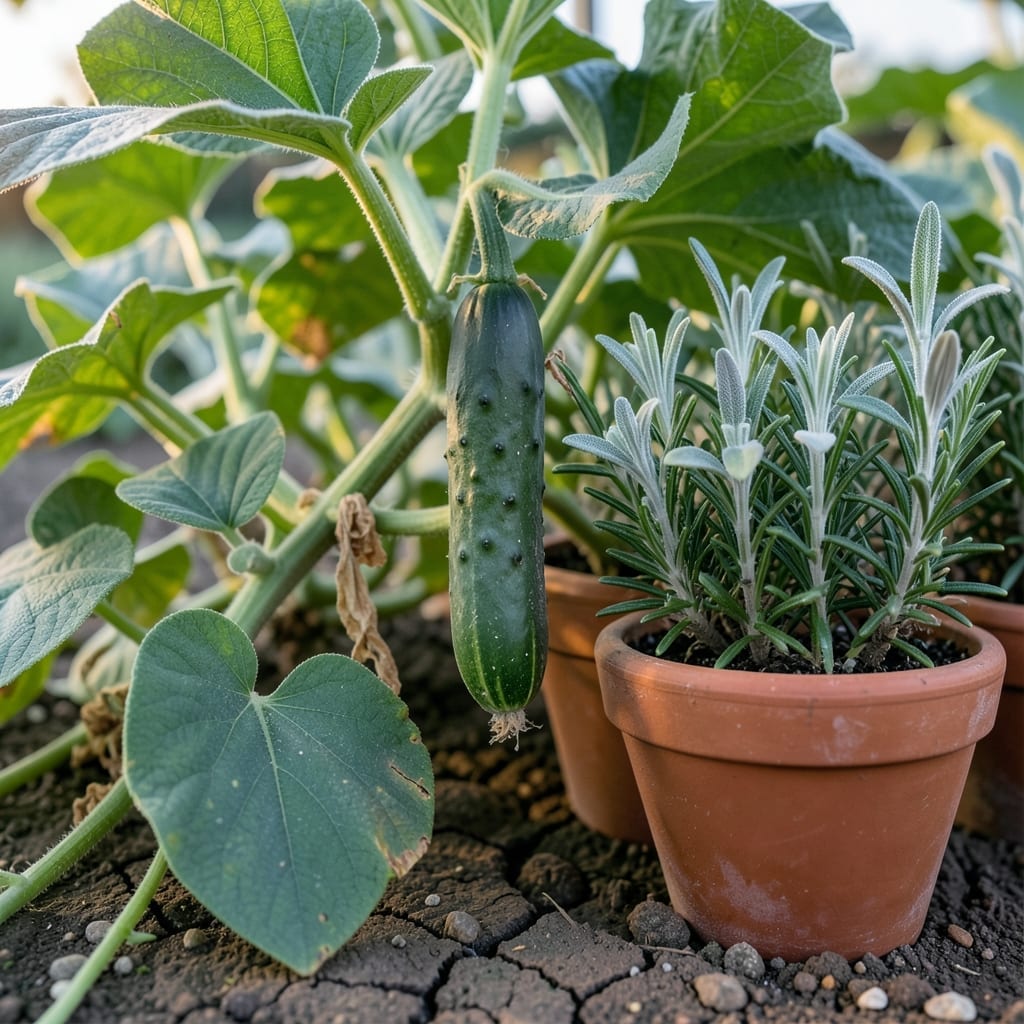
Your cucumber vines might be suffering in silence next to aromatic herbs like sage or rosemary. These herbs don’t just compete for water—they can actually change the flavor of your cucumbers, often making them bitter and unpalatable.
Both plants need consistent moisture to thrive, but aromatic herbs often win the battle, leaving cucumbers stressed and underproductive. The shared root space also means reduced yields for both, as they fight for nutrients in the soil.
Home gardeners aiming for sweet, crisp cucumbers should keep these herbs at least 3 feet away or use separate containers to avoid this flavor-altering conflict. 🌱
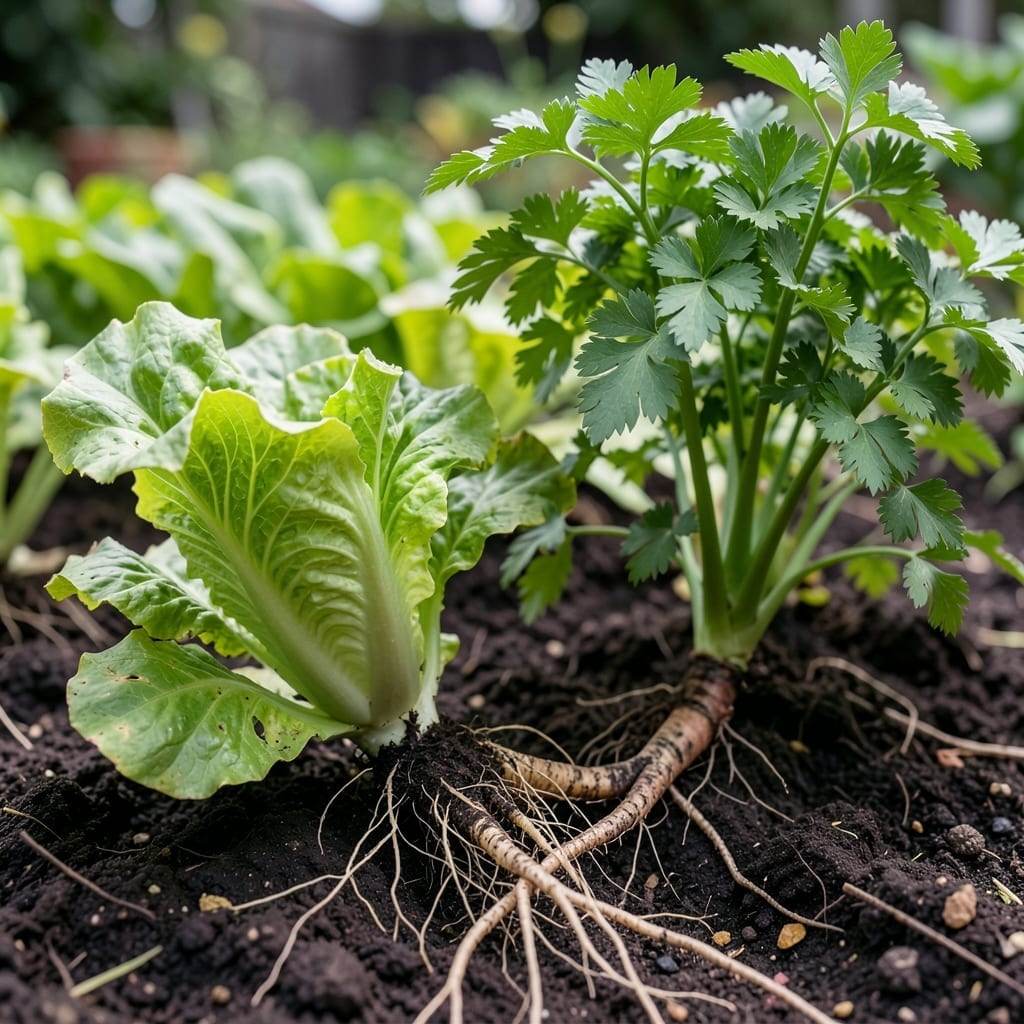
Your lettuce might be struggling due to an unlikely competitor right next to it. While parsley seems like a harmless neighbor, its deep taproot aggressively competes with lettuce’s shallow roots for moisture and nutrients.
This underground battle often causes lettuce to bolt prematurely or develop tip burn, a condition where leaf edges turn brown and crispy. The parsley thrives while your lettuce suffers, leaving you with a bitter, unproductive harvest.
Gardeners growing leafy greens should keep these plants separated by at least 12-18 inches to ensure healthy growth for both. 🌱
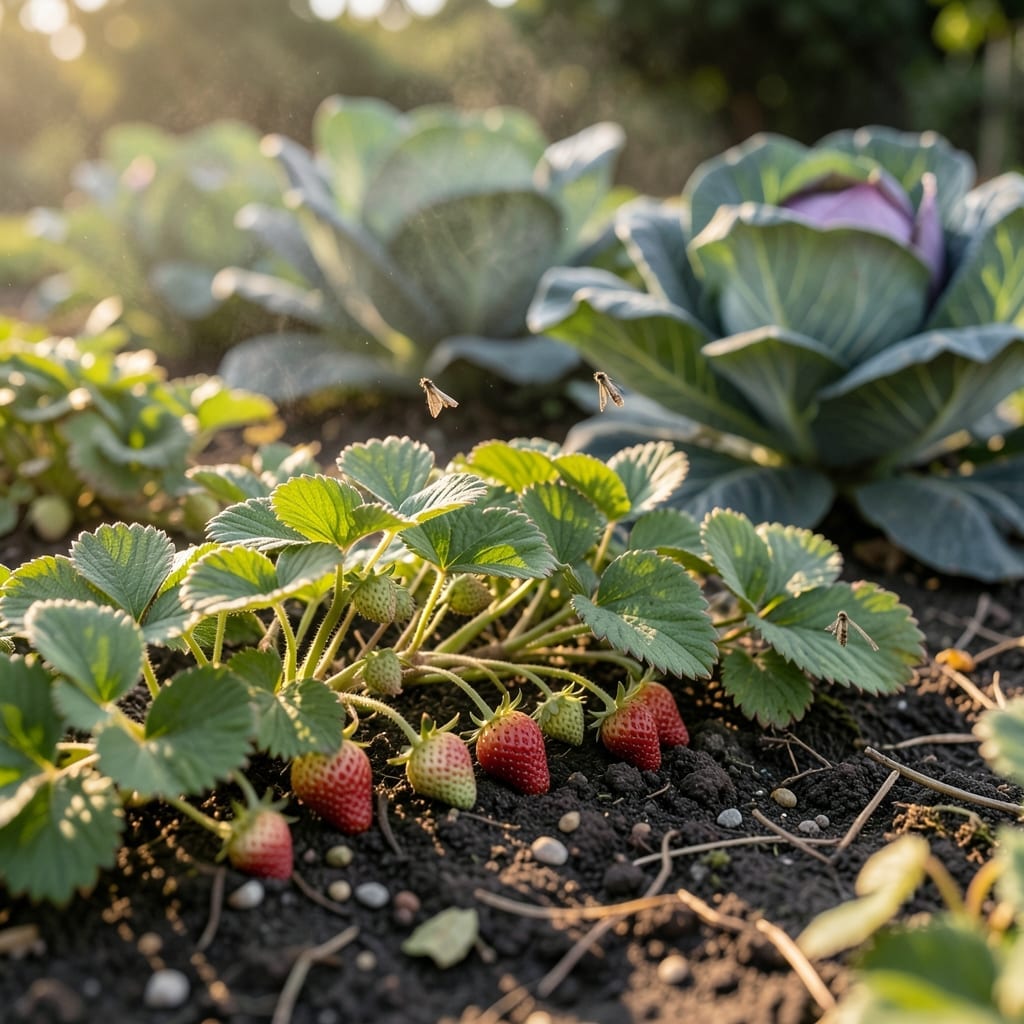
Your strawberry patch might be suffering silently if you’ve planted brassicas like kale or cabbage nearby. These leafy greens release compounds that can stunt strawberry growth, leaving you with smaller fruits and weaker plants.
Worse yet, brassicas share common pests with strawberries, such as cabbage worms and aphids. This means your berries face a double threat—stunted growth and increased pest damage—all from one bad pairing.
For the sweetest, healthiest strawberries, keep brassicas at least 4 feet away or use separate containers. Your berry patch will thank you. 🌱
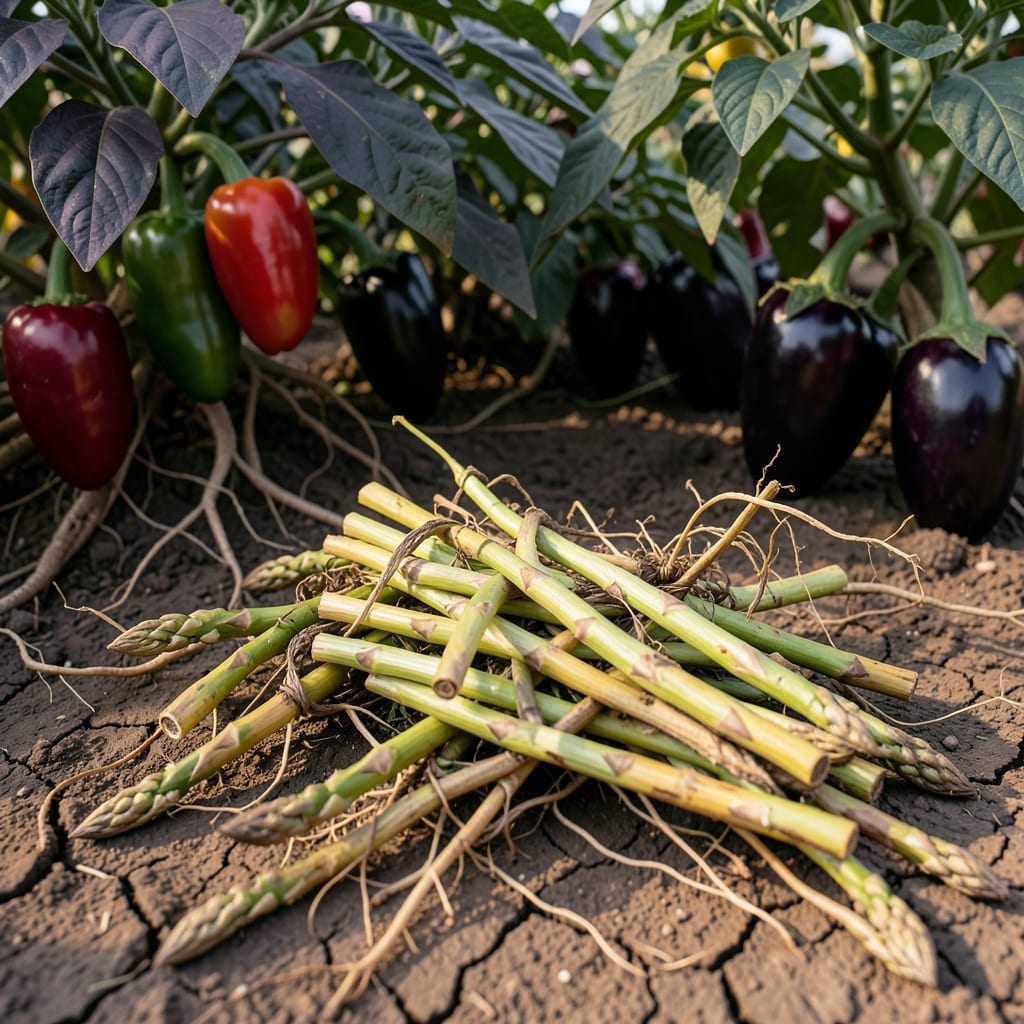
Your asparagus bed might be suffering from invisible enemies if nightshades are growing nearby. These plants can secretly sabotage your asparagus harvest for years to come.
Peppers and eggplants release compounds that slow asparagus growth while sharing soil-borne diseases like verticillium wilt. These pathogens can linger in the soil for years, stunting future asparagus crops long after the nightshades are gone.
Gardeners planning permanent asparagus beds should maintain at least 10 feet of separation from all nightshades to protect their long-term investment. 🌱