
Beautiful Plants For Your Interior
Beautiful Plants For Your Interior
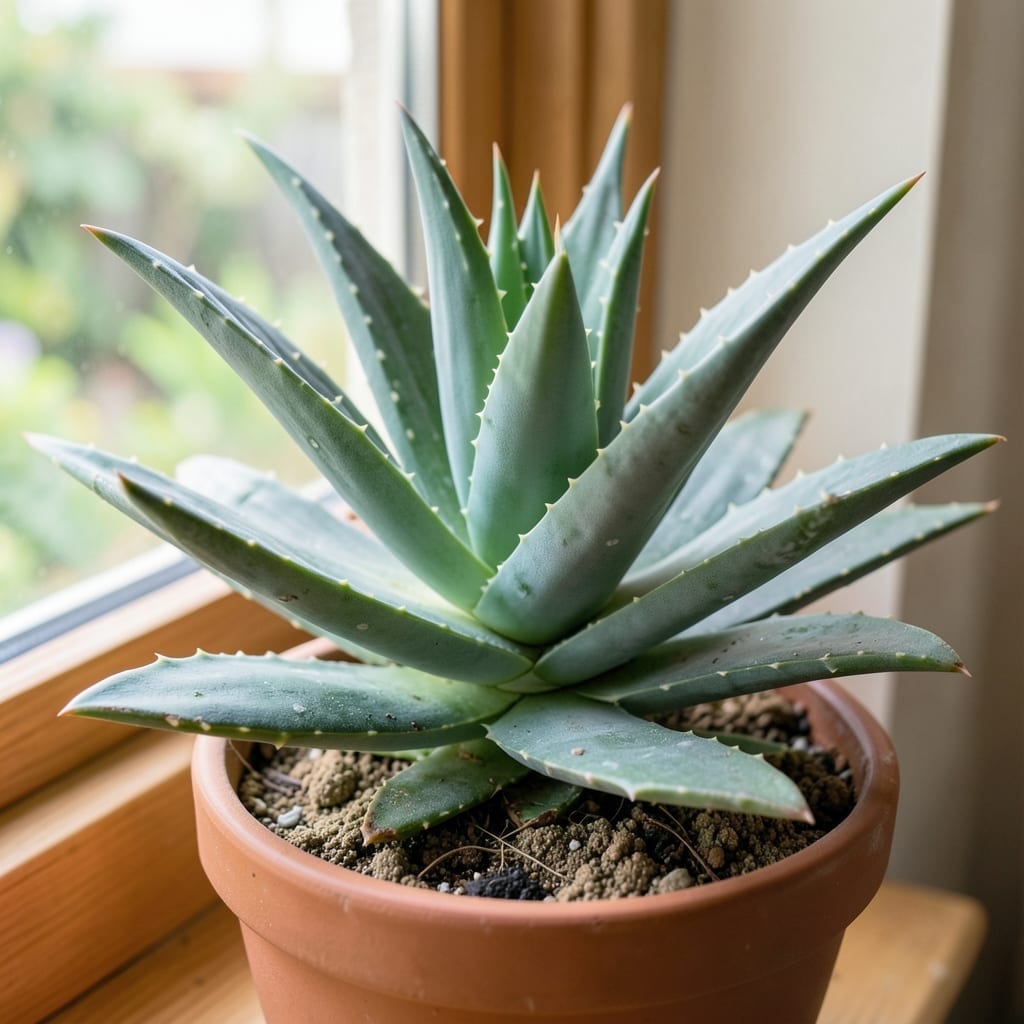
Aloe vera leaves offer soothing gel for burns, skin hydration, and wound healing, while their latex provides natural laxative effects. They also purify air and support plant propagation.
I love how versatile this plant is—its gel contains over 200 active compounds like vitamins C and E that speed up skin repair. Beyond topical uses, the latex acts as a powerful stimulant for digestion when used carefully. Plus, growing aloe at home means you always have a natural first-aid remedy on hand. 💛
💡 In This Article
Aloe vera gel contains over 200 bioactive compounds, including polysaccharides like acemannan that accelerate tissue repair. These molecules bind to skin cells, creating a protective barrier that locks in moisture while stimulating collagen production. 💛
Its anti-inflammatory power comes from enzymes like bradykinase, which reduce swelling by inhibiting pain-causing prostaglandins. The gel’s 99% water content also provides instant cooling, making it ideal for sunburns and minor cuts by lowering skin temperature rapidly.
Antimicrobial properties are another key benefit. Studies show aloe gel is effective against bacteria like Staphylococcus aureus and fungi such as Candida. This explains its traditional use in wound care – the compounds actually disrupt microbial cell membranes while being gentle on human tissue.
The vitamin content amplifies these effects. Vitamin C boosts collagen synthesis, while E acts as a potent antioxidant that neutralizes free radicals from UV exposure. Together with zinc and other minerals, these create a synergistic healing environment for damaged skin. ✨
For internal use, the gel’s mucopolysaccharides soothe digestive tracts by forming a protective layer. Unlike harsh laxatives, aloe’s gentle stimulation comes from anthraquinones in the latex layer just beneath the skin – but this requires careful preparation to avoid overuse. 🔥
Fresh aloe gel stays potent in the fridge for up to 1 week in an airtight container. For longer storage, freeze it in ice cube trays for up to 6 months.
Yes, but always do a patch test first. Cut a leaf, drain the yellow latex for 10 minutes, then apply the clear gel. Avoid using on open wounds without medical advice.
Generally yes, but some people react to compounds in the latex. Stick to pure gel and test on a small area. Discontinue if redness or itching occurs.
Its 99% water content cools instantly while polysaccharides speed up skin repair. The gel also forms a protective barrier that locks in moisture.
Only the gel from mature leaves (at least 3 years old) is safe in small amounts. Always remove all traces of latex first, as it can cause stomach upset. Consult a doctor before trying.