
Beautiful Plants For Your Interior
Beautiful Plants For Your Interior
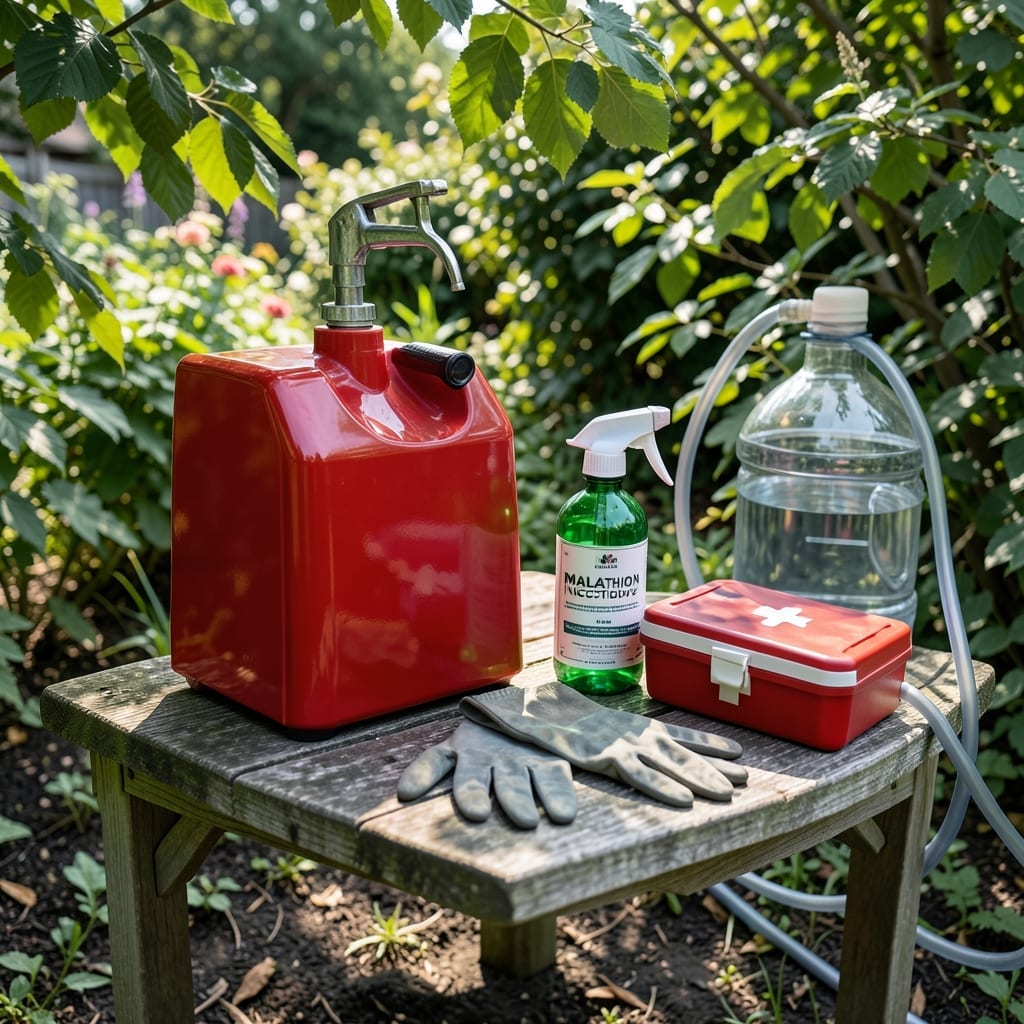
Seek emergency medical help immediately. Remove contaminated clothing, wash skin with soap and water, and do not induce vomiting. Call poison control or 911 right away.
This insecticide disrupts nerve signals by inhibiting acetylcholinesterase, which can trigger severe symptoms like muscle twitching, breathing difficulties, or even seizures. I emphasize speed because the longer it stays on skin or in your system, the worse the damage becomes. 💫
While waiting for help, avoid any contact with the poison and keep the affected person calm and still. Every minute counts when dealing with this type of exposure.
💡 In This Article
Malathion works by disrupting the nervous system’s ability to regulate acetylcholine, a critical neurotransmitter. Normally, acetylcholinesterase breaks down acetylcholine to prevent overstimulation of nerves. Malathion binds to this enzyme, causing acetylcholine to accumulate and leading to uncontrolled nerve signal transmission. This mechanism triggers symptoms ranging from mild nausea to life-threatening respiratory failure.
Early signs typically appear within minutes to hours after exposure. Mild cases may cause headache, dizziness, or excessive sweating. Moderate poisoning often presents with muscle tremors, vomiting, and difficulty breathing. Severe cases can progress to seizures, loss of consciousness, or even cardiac arrest.
The speed of symptom onset depends on the route of exposure—skin contact, inhalation, or ingestion.
The severity also varies by dosage and individual sensitivity. Agricultural workers handling concentrated forms may experience more intense reactions than someone exposed to diluted residential spray. Children and the elderly are particularly vulnerable due to their lower body weight and reduced metabolic capacity.
Immediate medical intervention is crucial to prevent permanent neurological damage or fatal outcomes. 🔥
Diagnosis often involves measuring blood cholesterase levels, which drop significantly during poisoning. Treatment focuses on restoring enzyme function and managing symptoms. Atropine, a medication that blocks acetylcholine receptors, is commonly administered to counteract the overstimulation. In severe cases, pralidoxime may be used to reactivate the inhibited acetylcholinesterase. ✨
Long-term exposure to low levels can also cause chronic health effects. Studies link repeated contact with organophosphates like malathion to increased risks of neurological disorders, respiratory issues, and even certain cancers. This underscores the importance of proper protective equipment and handling procedures when working with such chemicals. 💫
Early symptoms include headache, dizziness, and excessive sweating. These may appear within minutes to hours after contact. More severe signs like muscle tremors or breathing difficulties require immediate action.
Wash the affected area with soap and cool water for at least 15 minutes. Use gentle circular motions to ensure complete removal of the chemical.
Never induce vomiting, as this can cause additional damage. Instead, give small sips of water if the person is conscious and able to swallow.
Always wear protective gloves to avoid direct contact. Wash hands immediately if accidental exposure occurs. Keep contaminated clothing sealed in a plastic bag.