
Beautiful Plants For Your Interior
Beautiful Plants For Your Interior
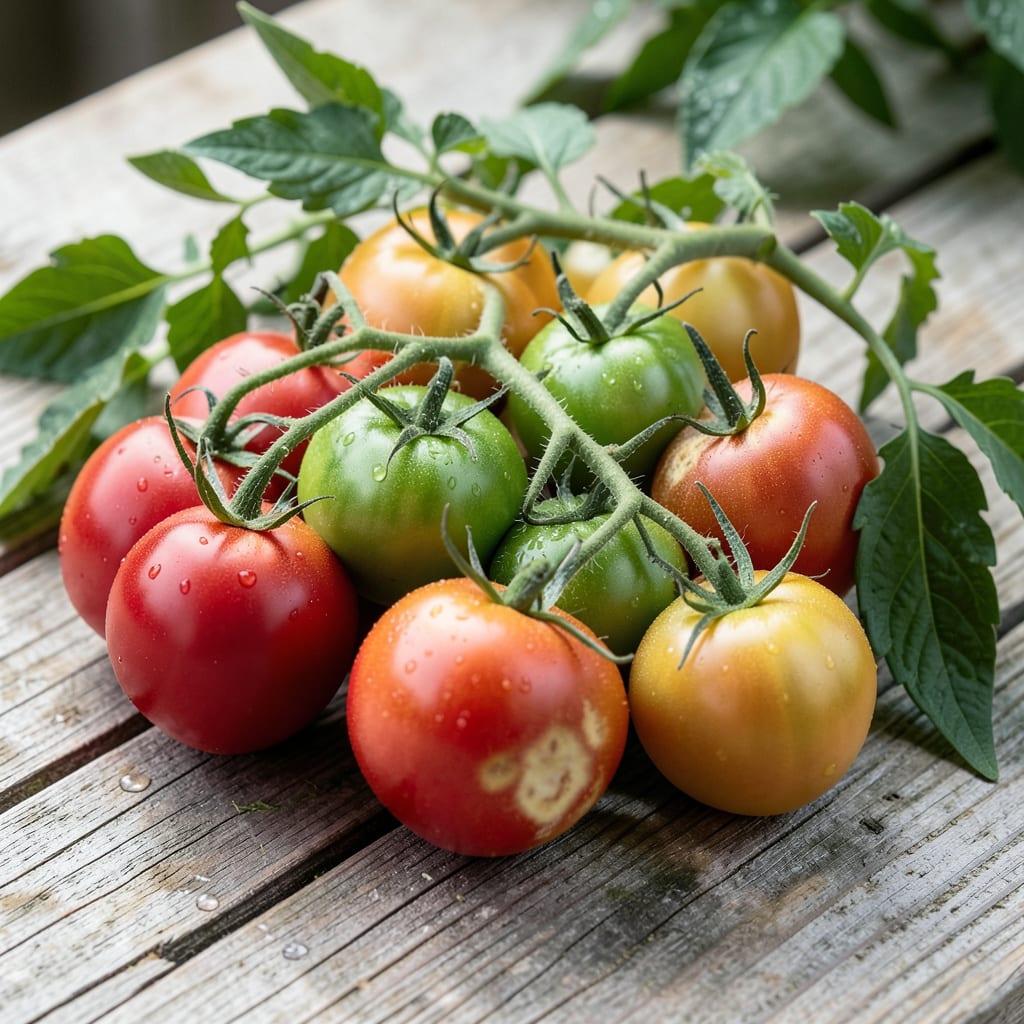
Those water-soaked spots on your tomatoes aren’t sunburn. I’ve watched blossom end rot turn perfectly good fruit into inedible mush in 48 hours, and the early warning signs are unmistakable once you know what to look for.
It starts as a small, discolored patch at the blossom end—soft to the touch, slightly sunken. Left unchecked, it spreads into a dark, leathery rot that ruins the fruit. Tomatoes and peppers are the usual victims, but squash and melons can fall prey too.
Here’s the thing—this isn’t a disease you can spray away. It’s your plant’s way of saying it’s starving for calcium, or that your watering routine is throwing its nutrient uptake out of whack.
The fix is simpler than you think. Adjust your watering, add calcium, and you’ll see new fruit setting without those telltale spots within 1-2 weeks.
Blossom end rot is primarily caused by a calcium deficiency in developing fruit, but the triggers are often more complex than just a lack of this nutrient. Here’s why it happens:
Calcium is essential for cell wall structure, and when fruit tissues don’t get enough, cells collapse, leading to the characteristic water-soaked spots. This often occurs when calcium uptake is disrupted—even if the soil has enough calcium—due to:
Fluctuations in soil moisture directly impact calcium transport. Calcium moves through the plant via water, so:
Actionable tip: Maintain even moisture (1–2 inches of water per week) to stabilize calcium flow.
Extreme conditions exacerbate the problem:
Mulching and row covers can help moderate these stresses.
Blossom end rot can be frustrating, but the good news is it’s often fixable with a few simple adjustments. Here’s how to tackle the most common causes and prevent future issues.
If your soil lacks calcium, act fast. Mix crushed eggshells into the soil or use a calcium-rich fertilizer. For a quick fix, spray plants with a calcium chloride solution (follow package instructions). Avoid over-fertilizing with nitrogen, which can block calcium uptake.
Fluctuating moisture levels disrupt calcium absorption. Water deeply and consistently—aim for 1–2 inches per week, depending on weather. Use mulch to retain moisture and prevent soil from drying out too quickly.
Hot, dry spells or cold snaps can stress plants. Provide shade cloth during heatwaves and row covers for unexpected chills. Mulching also helps regulate soil temperature.
With these tweaks, your plants should bounce back, and future harvests will stay healthy and rot-free! ✨
Early signs appear as small, water-soaked patches at the blossom end of fruit. These spots are slightly sunken and may lighten or darken over 24-48 hours.
Developing fruit needs steady calcium supply. Rapid growth, uneven watering, or poor soil can starve some fruit while others stay healthy. Older fruit are most vulnerable.
No—once spots appear, the damage is irreversible. Remove affected fruit to redirect the plant’s energy to healthy ones. Focus on prevention for future harvests.
Without intervention, spots can expand to cover half the fruit in 2-3 days, especially in hot, dry weather. Act quickly to prevent further loss.
