
Beautiful Plants For Your Interior
Beautiful Plants For Your Interior
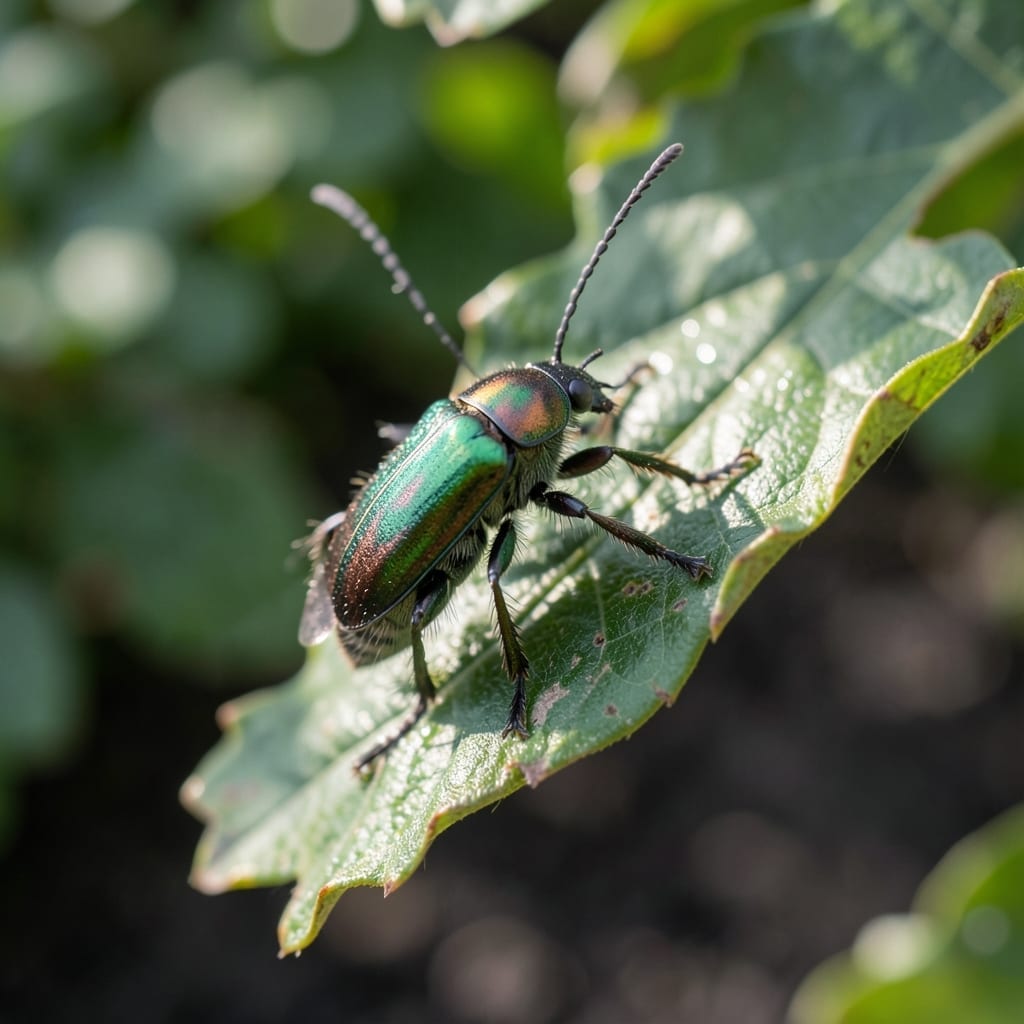
I first noticed the tiny wings near my windowsill last spring. 🌱 These aren’t just annoying bugs—they’re silent destroyers that can compromise your home’s structure before you even realize they’re there.
The damage starts small but spreads fast. What begins as a few discarded wings turns into hollowed wood and costly repairs. I learned the hard way that early identification saves thousands in potential damage.
You’ll spot the signs if you know where to look: mud tubes on walls, discarded wings, or soft wood that sounds hollow when tapped. Catching them early means stopping the colony before it establishes.
Prevention is simpler than you think. A few strategic changes around your home can make it far less inviting to these pests. Here’s how to protect your space.
Understanding why flying insects target wood helps in preventing infestations. These pests are drawn to wood for specific biological and environmental reasons. Below are the primary causes:
Many flying insects, like termites and wood-boring beetles, feed on cellulose, the organic compound that gives wood its structure. Wood provides a rich, abundant source of this nutrient, making it a prime target. These insects have specialized enzymes and gut microbes that break down cellulose into digestible sugars, fueling their survival and reproduction.
Damp or decaying wood is especially appealing because it’s softer and easier to consume. High moisture levels also create an ideal environment for insect colonies to thrive. Leaky pipes, poor drainage, or high humidity in basements and crawl spaces can accelerate wood decay, making it more susceptible to infestation.
Wood isn’t just food—it’s also a safe haven. Flying insects often burrow into wood to lay eggs, protecting their offspring from predators and harsh weather. Soft, untreated, or damaged wood (e.g., mulch, firewood stacks, or old fences) provides easy access for nesting and colony expansion.
Some species are attracted to the natural odors emitted by aging or stressed wood. For example, bark beetles detect chemical signals (pheromones) from weakened trees, signaling them to bore in. Similarly, termites can sense cellulose-based compounds in the air, guiding them to potential food sources.
Dealing with wood-eating flying insects like termites or woodwasps requires quick action. Below are targeted fixes for common causes, paired with prevention tips to keep your home safe.
Termites thrive in damp wood. Fix leaks, improve drainage, and use dehumidifiers in basements or crawl spaces. Replace water-damaged wood promptly. Prevention tip: 💡 Ensure gutters direct water away from your home’s foundation.
Discard severely damaged wood immediately. For salvageable areas, apply borate-based wood treatments or inject termiticides into affected zones. Sand and refinish surfaces to eliminate hidden larvae. Prevention tip: ✨ Use pressure-treated lumber for outdoor projects.
Inspect for cracks in walls, gaps around pipes, or loose siding. Seal with caulk or steel mesh. Install fine screens on vents to block flying pests. Prevention tip: 🎯 Schedule annual inspections, especially in warm, humid climates.
Wood piles, old stumps, or untreated decks attract pests. Store firewood 20+ feet from your home and elevate it off the ground. Treat sheds and fences with insect-resistant finishes. Prevention tip: 🌡️ Opt for metal or composite materials in high-risk zones.
For severe infestations, call a licensed pest control professional to assess and treat the problem thoroughly.
Look for discarded wings near windowsills, mud tubes on walls, or wood that sounds hollow when tapped. Tiny holes in wood surfaces or piles of sawdust-like frass are also red flags.
Yes, especially untreated wooden furniture. Termites and wood-boring beetles can hollow out chairs, tables, and cabinets over time. Regular inspections and treatments can prevent costly replacements.
Seal cracks, reduce moisture with dehumidifiers, and store firewood 20+ feet from your home. Use pressure-treated wood for outdoor projects and schedule annual pest inspections.