
Beautiful Plants For Your Interior
Beautiful Plants For Your Interior
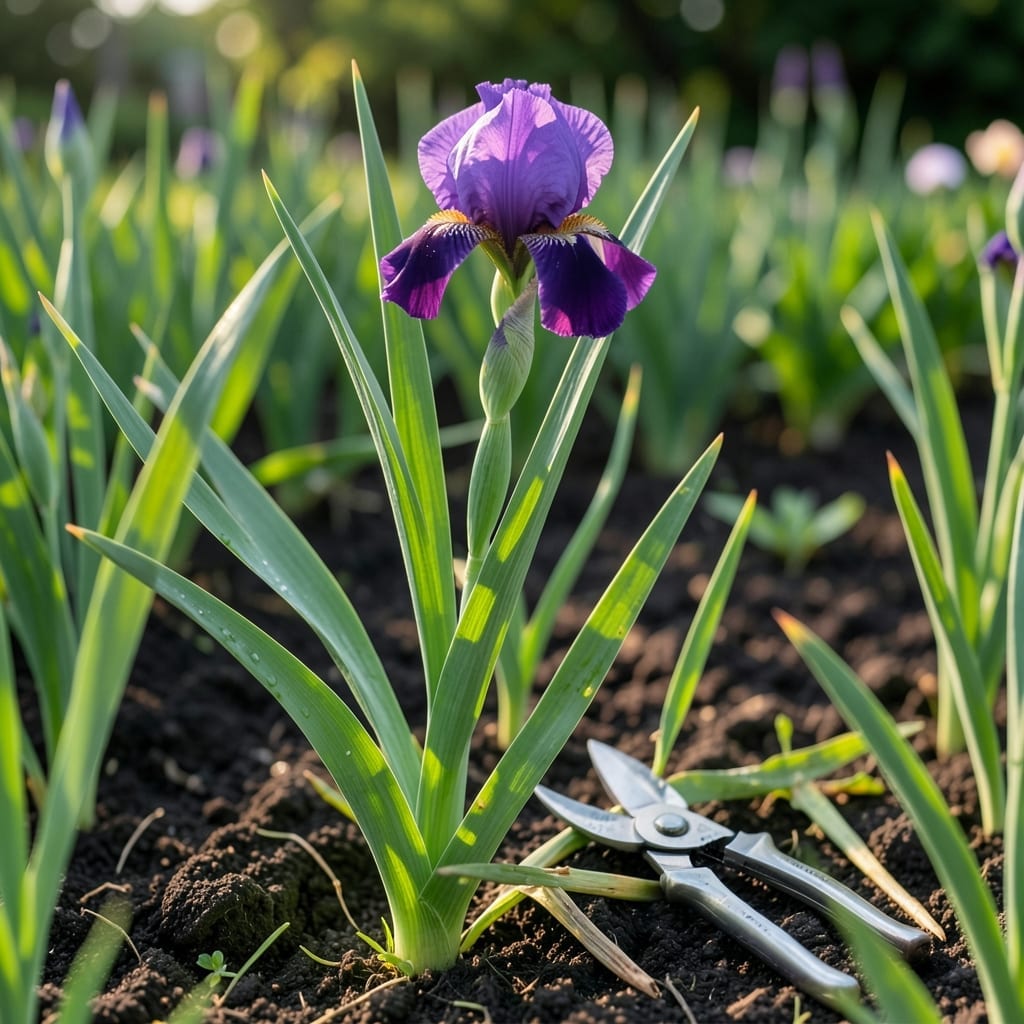
Your 🌸 Iris could be one trim away from its most spectacular blooming season yet. Timing that cut makes all the difference between a garden that merely survives and one that thrives.
I’ve learned through years of trial and error that proper pruning isn’t just about neatness – it’s about plant health. The right moment to reach for your shears ensures vibrant flowers next year.
Discover the most important seasonal window for trimming Iris in zones 3-9, and why this simple step is a game-changer for your garden’s success.
The perfect timing for trimming iris plants depends on your growing zone and the current season. In most regions, the ideal window falls between late summer and early fall. This timing helps the plant store energy for next year’s blooms.
I always wait until the foliage begins to yellow and wilt naturally. This signals that the rhizomes have finished absorbing nutrients. Cutting back too early can rob the plant of valuable resources it needs for winter survival.
| Season | Action | Purpose |
|---|---|---|
| After Blooming | Remove spent flowers | Prevent seed formation |
| Late Summer | Cut back foliage by ⅓ | Encourage new growth |
| Fall (Oct) | Trim to 6-inch fans | Prepare for winter dormancy |
| Spring | Remove dead leaves | Clean up winter damage |
For bearded iris in zones 3-9, I recommend starting your fall cleanup in August or September. This gives the rhizomes time to establish before the first frost. In warmer climates, you might extend this window into early October.
The key principle is to never remove green foliage while it’s actively photosynthesizing. Those leaves are working overtime to feed the rhizome and fuel next year’s spectacular blooms. Patience here pays off with bigger, healthier flowers.
In cold climates, I always complete my iris trimming at least 6 weeks before the first expected frost. This gives the plants time to harden off. For mild winter areas, you can trim a bit later, but still aim to finish by early November.
Remember that reblooming iris varieties may need a second light trim after their fall flowering. Watch for yellowing leaves as your signal to act. I’ve found this extra attention often results in a more robust second bloom cycle.
Proper timing also helps prevent pest problems and disease spread. Iris borers and bacterial soft rot thrive in decaying foliage. By removing old growth at the right time, you’re creating a cleaner, healthier environment for your plants.
I’ve noticed that iris trimmed at the optimal time consistently produce more flower stalks and larger blooms the following season. It’s amazing how such a simple task can make such a dramatic difference in your garden’s performance.
Finally, always use clean, sharp tools when trimming. I keep a small bottle of rubbing alcohol handy to sterilize my shears between plants. This simple precaution prevents the spread of diseases that could devastate your entire iris bed.
✂️Pruning iris plants properly ensures healthy growth and vibrant blooms. I always start by gathering the right tools: sharp bypass pruners and sterilizing solution to prevent disease spread between cuts.
First, I remove spent flower stalks down to the base right after blooming. This prevents seed pod formation, which can drain energy from the rhizome. It’s a quick task that makes a big difference for next year’s display.
When trimming bearded iris, I
For reblooming iris, I do a light cleanup after the first flowering cycle, then a more thorough trim after the second bloom. This two-step approach keeps the plant looking tidy while supporting its energy needs.
I always leave some green foliage intact until it naturally yellows. These leaves continue photosynthesizing to feed the rhizome. Removing them too early can weaken the plant and reduce next year’s flower production.
After trimming, I clean up all debris from around the plant base. This removes hiding spots for iris borers and other pests. A quick rake and disposal of the trimmings keeps my garden beds healthier.
✂️