
Beautiful Plants For Your Interior
Beautiful Plants For Your Interior
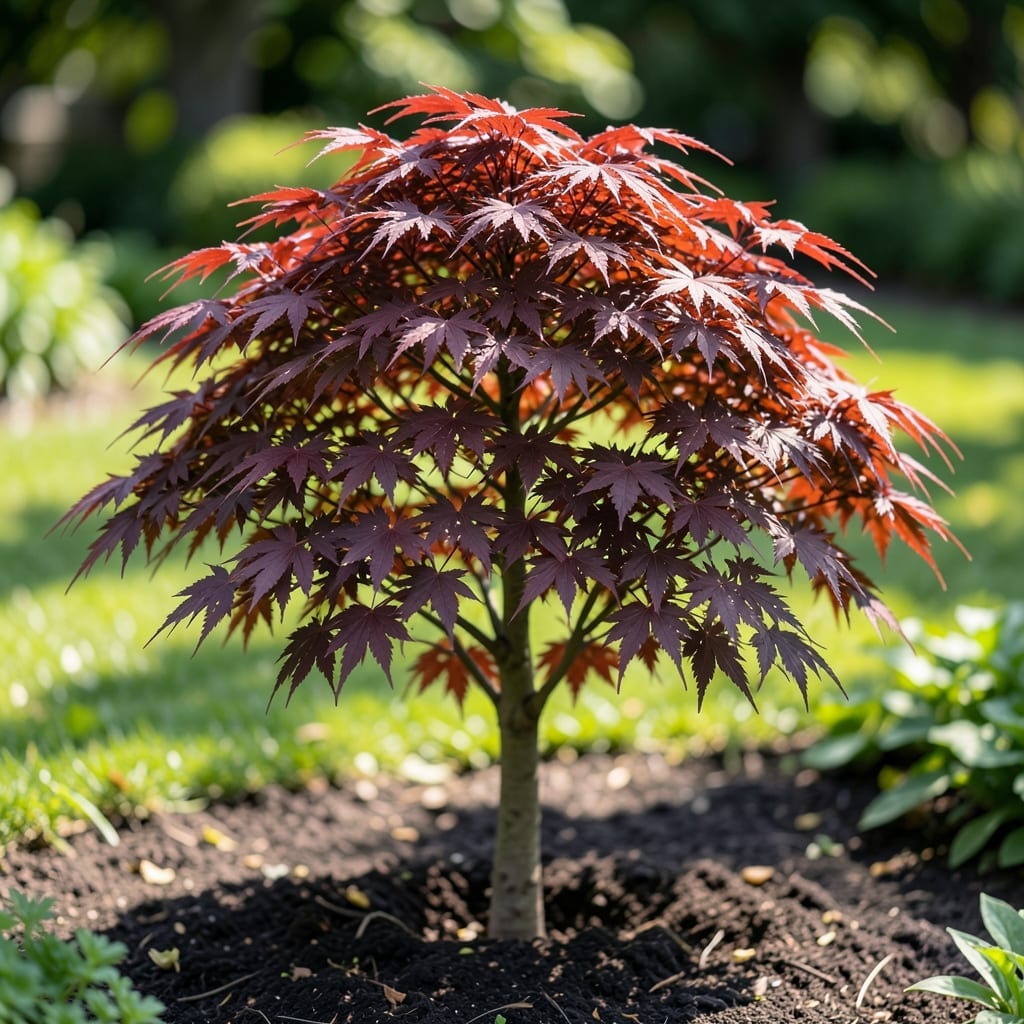
Bloodgood Japanese maples grow slowly, typically adding 6 to 12 inches in height per year under ideal conditions. They reach a mature size of 15 to 20 feet tall and 10 to 15 feet wide in about 15 to 20 years.
I’ve found these trees thrive in partial shade with well-drained soil, which helps maintain their steady but deliberate pace. Gardeners love them for their striking burgundy foliage and manageable size in landscapes. This slow growth makes them perfect for small yards or container gardening. 🔥
What’s fascinating is how their compact nature allows for versatile placement without overwhelming a space. ✨
💡 In This Article
Soil quality dramatically impacts growth—these maples thrive in slightly acidic (pH 5.5-6.5), well-draining loam. Heavy clay or sandy soils can stunt annual height increases by 30-40% due to poor root development. The tree’s fibrous root system needs consistent moisture but will rot in waterlogged conditions. 🌟
Sunlight exposure plays a critical role in foliage density and branch extension. In full sun, Bloodgood maples may grow faster but risk leaf scorch in hot climates. Partial shade (4-6 hours of morning sun) produces the most balanced growth and deepest burgundy coloration. Direct afternoon sun can bleach leaves and stress the tree. ✨
Climate zone makes a measurable difference. In cooler zones (5-6), growth slows to the lower end (6 inches/year). Warmer zones (7-8) see the upper range (12 inches/year) due to longer growing seasons. Temperature swings above 90°F or below 20°F can temporarily halt growth. 🔥
Watering practices affect growth more than most realize. Deep, infrequent watering (1-2 inches/week) encourages deep root growth. Shallow watering leads to weak, surface-level roots and slower vertical development. Mulching with 2-3 inches of organic material helps maintain consistent soil moisture and temperature. 💫
Pruning and genetic factors also influence growth rate. Heavy pruning can reduce annual growth by 25-50% as the tree recovers. Meanwhile, some Bloodgood specimens naturally grow slightly faster or slower due to genetic variation, even under identical conditions. Selecting healthy nursery stock gives you the best start. ⚡
With typical growth of 6-12 inches annually, expect a 5-10 foot height range after 5 years. Growth may be slower in cooler climates or poor soil conditions. Proper care helps maximize this early development.
Check for poor drainage, compacted soil, or insufficient light. These trees also slow down in extreme heat or cold. A soil test can reveal if pH is outside the ideal 5.5-6.5 range.
Focus on optimal conditions: consistent moisture, partial shade, and spring fertilization. Avoid over-pruning, which can set growth back by 25-50%. Patience is key with these naturally slow-growing trees.
Most Bloodgoods slow as they approach maturity, usually around 15-20 years. Growth also pauses during drought, extreme temperatures, or if the tree is stressed by pests or disease.