
Beautiful Plants For Your Interior
Beautiful Plants For Your Interior
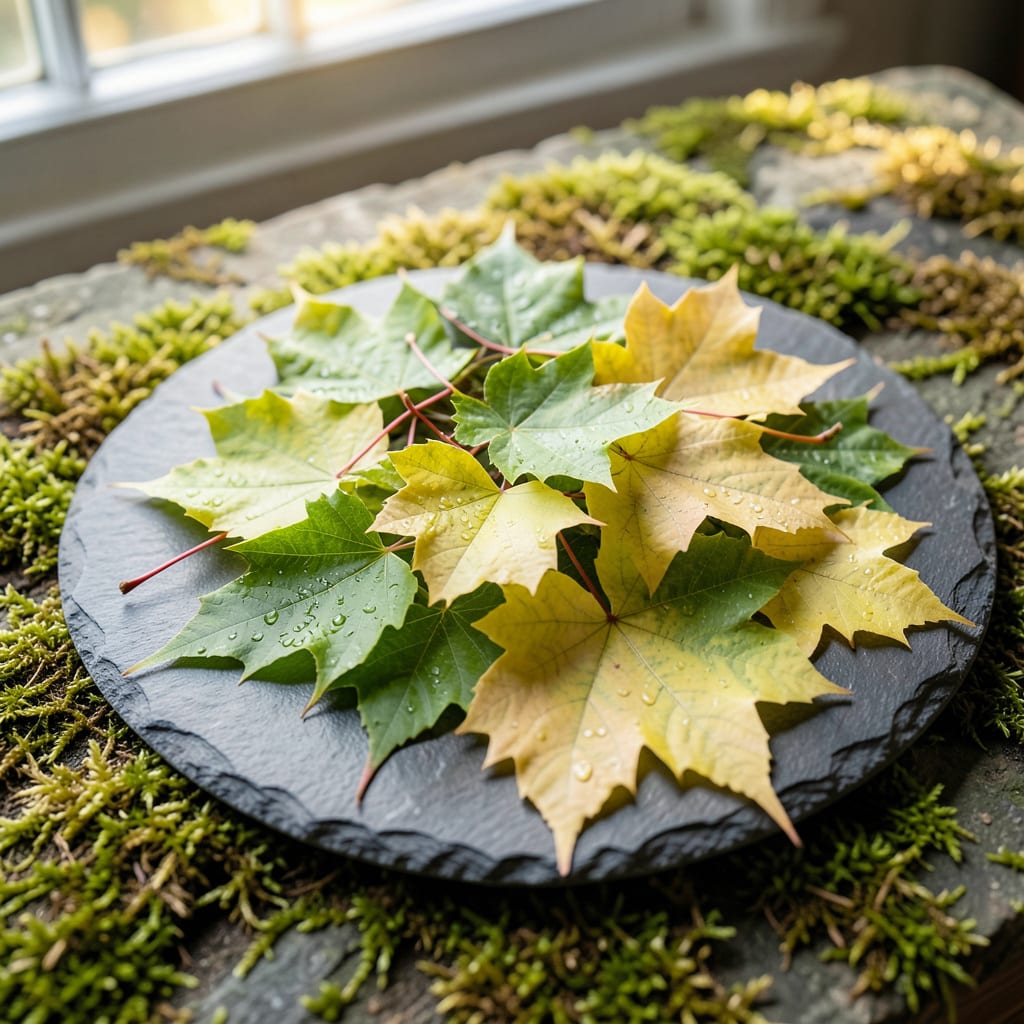
Spring transforms maple trees overnight. The first bright green leaves unfurl like tiny hands, soft and almost translucent in the sunlight.
This is when your maples need a little extra care—watering during dry spells and watching for pests. By late spring, those delicate leaves turn vibrant and full, ready to provide shade all summer. Here’s how to help them thrive.
📚 In This Guide
Here’s the method I use to highlight spring maple foliage for maximum visual impact in any garden setting.
Choose maple cultivars known for their early season foliage, like Acer palmatum ‘Bloodgood’ or Acer japonicum ‘Aureum’. These varieties produce vibrant reds and golden yellows as soon as the leaves unfurl. I always check the specific cultivar’s spring color characteristics before planting.
Young maples often display more intense spring colors than mature trees. Look for varieties with new growth that emerges in bright hues before maturing to green. This initial flush of color typically lasts 2-3 weeks in early spring.
Plant your maples where they’ll receive morning sun and afternoon shade during spring. This light pattern enhances the vibrancy of emerging foliage while protecting the tender new leaves from harsh afternoon rays. I’ve found that eastern exposures work particularly well for spring color display.
The angle of spring sunlight is lower, so even partial shade locations can work. Watch for leaves that appear slightly translucent when backlit by morning sun—this is when the colors are most striking. Avoid deep shade, as it will mute the spring foliage colors.
Spring rainfall often provides adequate moisture, but I recommend supplementing with 1-2 deep waterings per week during dry spells. The soil should feel moist but not waterlogged about 2 inches down. New maple leaves are particularly sensitive to drought stress.
Mulch with 2-3 inches of organic material to retain moisture and regulate soil temperature. As the leaves emerge, you’ll notice they’re more tender and prone to scorching if the soil becomes too dry. The mulch also helps prevent soil compaction from spring rains.
Perform any necessary pruning in late winter, before the leaves emerge. This timing allows the tree to focus its energy on producing vibrant new growth. I remove any dead or crossing branches to improve air circulation and light penetration to the remaining branches.
Avoid pruning once the leaves begin to emerge, as this can reduce the spring color display. The new growth emerges from buds set the previous year, so late pruning would remove the very branches that would produce the most colorful foliage.
Thin out some of the inner branches to allow light to reach the colorful new growth. This selective pruning enhances the visibility of the spring foliage while maintaining the tree’s natural shape.
Maple leaves typically begin emerging in early spring, with the most vibrant colors appearing as the leaves first unfurl. This period usually lasts 2-3 weeks, depending on the variety and weather conditions. I make a point to enjoy the display daily during this window.
The color intensity often changes throughout the day, with the most dramatic effects occurring in the morning when the leaves are fresh with dew. You’ll notice the colors appear most vivid on cool, sunny days when the contrast between the new growth and the bare branches is strongest.
Small adjustments make a surprising difference in how vibrant your spring foliage appears.
The Variety Factor: Confession: I planted generic maples for years before discovering how much better Acer palmatum ‘Bloodgood’ or Acer japonicum ‘Aureum’ perform. Young maples especially show more intense spring colors, with that initial flush lasting exactly 2-3 weeks as the leaves unfurl. This is non-negotiable for maximum impact.
Light Positioning: Here’s what nobody tells you—morning sun and afternoon shade isn’t just good advice, it’s essential. Eastern exposures work because the lower spring sun angle backlights those translucent new leaves, making colors pop. Deep shade mutes everything, and full afternoon sun can scorch tender new growth before it matures.
Moisture Precision: I learned this the hard way after losing several young maples: that 2-inch soil depth check is critical. New leaves wilt fast when dry, and waterlogged soil causes root stress that stunts color development. Stick to 1-2 deep waterings per week during dry spells, and always use 2-3 inches of organic mulch to regulate temperature.
Pruning Timing: Between us, late winter pruning isn’t just about shape—it’s about energy redirection. Those buds set the previous year contain next spring’s color, so pruning after emergence removes your best foliage. Thin inner branches to let light reach new growth, but never touch the tree once leaves start appearing.
Maple leaves may show subtle color shifts in spring due to temperature fluctuations and new growth. Fresh leaves often start red or orange before turning green as chlorophyll production stabilizes.
The best time is typically late April to early May, depending on your climate. Cooler regions may see foliage emerge later, while warmer areas enjoy earlier blooms.
Yes! Dwarf varieties like Japanese Maple (Acer palmatum) thrive in containers or small gardens. They offer vibrant spring colors without needing much space.
Pale leaves often signal nutrient deficiencies (like iron or nitrogen) or overwatering. Test your soil and adjust care—ensure good drainage and balanced fertilizer.
Absolutely! Consider Dogwood, Redbud, or Smokebush for similar seasonal color. These shrubs and trees also provide stunning spring displays with less maintenance.
