
Beautiful Plants For Your Interior
Beautiful Plants For Your Interior
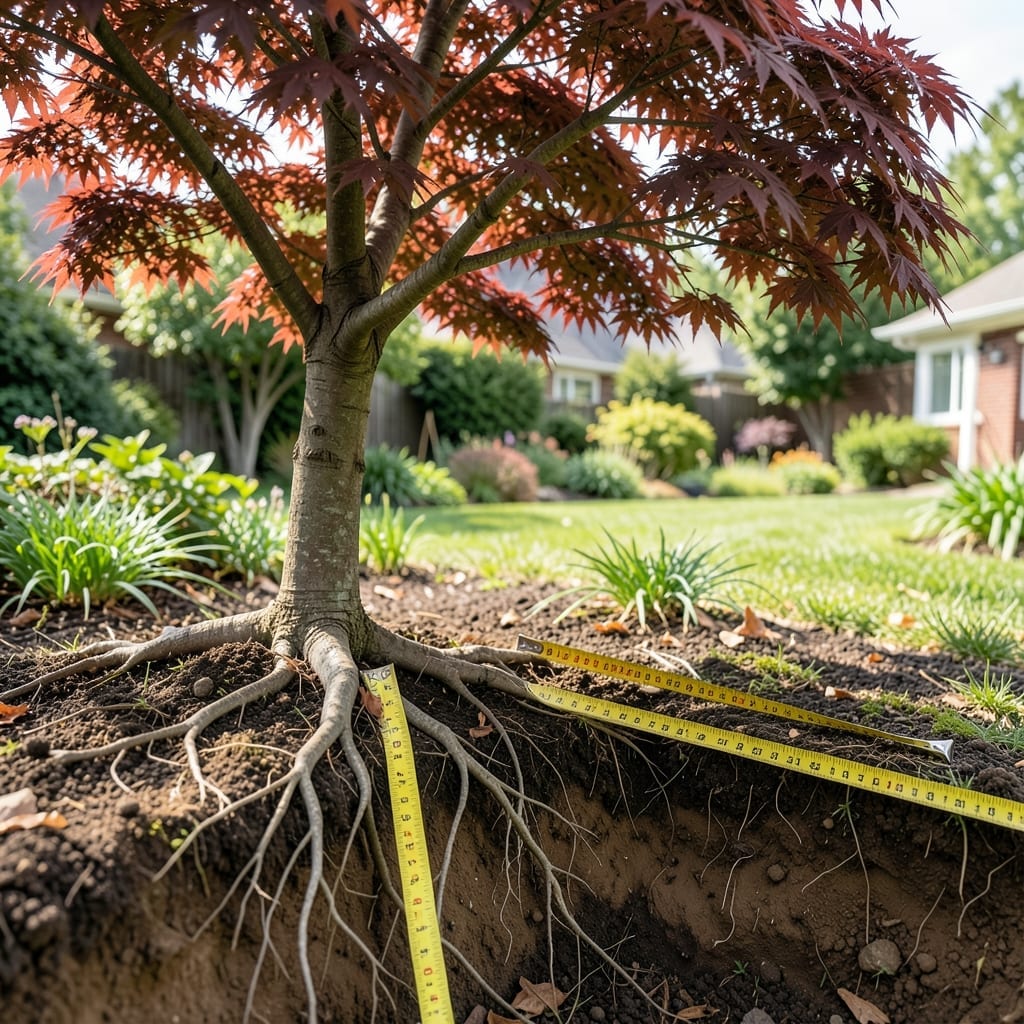
Did you know the Japanese Maple’s 🌳 root system is its most unique feature? Unlike many trees, these roots stay shallow but spread wide, making them perfect for small gardens and containers.
This growth pattern affects everything from planting depth to watering routines. Get it wrong, and you risk stunting your tree’s growth or even losing it to drought stress.
Discover how to work with this natural design to keep your Japanese Maple thriving for years to come. The right approach makes all the difference.
The Japanese Maple has a fibrous root system that typically grows 12-18 inches deep. Unlike taproot trees, its roots spread outward in a shallow network, making it sensitive to surface conditions.
This shallow growth allows the tree to thrive in containers and small gardens. However, it also means the roots are vulnerable to drought and soil compaction, requiring careful attention to moisture and soil quality. 🌳
| Requirement | Specification |
|---|---|
| Root Depth | 12-18 inches |
| Root Type | Fibrous, non-invasive |
| Soil Preference | Well-draining, acidic |
| Drought Sensitivity | High |
The fibrous nature of these roots means they absorb water quickly but also dry out faster. This is why consistent moisture is critical, especially in the first few years after planting.
When planting, avoid burying the root flare too deep. The flare should be visible at soil level to prevent suffocation and encourage healthy root spread.
In containers, use a light, airy potting mix to promote root health. Heavy soils can suffocate shallow roots and lead to poor growth or root rot.
Companion planting should account for the sprawling root system. Avoid planting aggressive competitors nearby, as they can outcompete the Japanese Maple for water and nutrients.
This shallow root system also makes the tree sensitive to soil compaction. Regularly aerate the soil around the base to ensure roots have access to oxygen and water.
In windy areas, the shallow roots may struggle to anchor the tree. Consider staking young trees until they establish a stronger root network.
Understanding these root characteristics helps you create the ideal growing conditions for a thriving Japanese Maple. With the right care, this tree can be a stunning addition to any garden or patio. 🌿
Because Japanese Maple roots stay shallow, they need consistent moisture without waterlogging. I always apply a 2-3 inch mulch layer to retain moisture and regulate soil temperature. 🌳
In containers, use a well-draining potting mix with perlite or bark. Avoid heavy garden soil, which can suffocate delicate roots and lead to root rot.
When watering, I use the soak-and-dry method. Water until the top 6 inches are moist, then let it dry slightly before watering again. This prevents both drought stress and overwatering.
For in-ground plantings, keep the area free of grass within a 3-foot radius. Grass competes for water and nutrients, and lawnmowers can damage shallow roots.
In windy locations, stake young trees for 1-2 years. The shallow roots need time to establish a strong anchor. Use soft ties to avoid girdling the trunk.
Remember, Japanese Maples thrive when we work with their natural root system. The right care transforms their shallow growth from a weakness into an advantage for small spaces. 🌿