
Beautiful Plants For Your Interior
Beautiful Plants For Your Interior
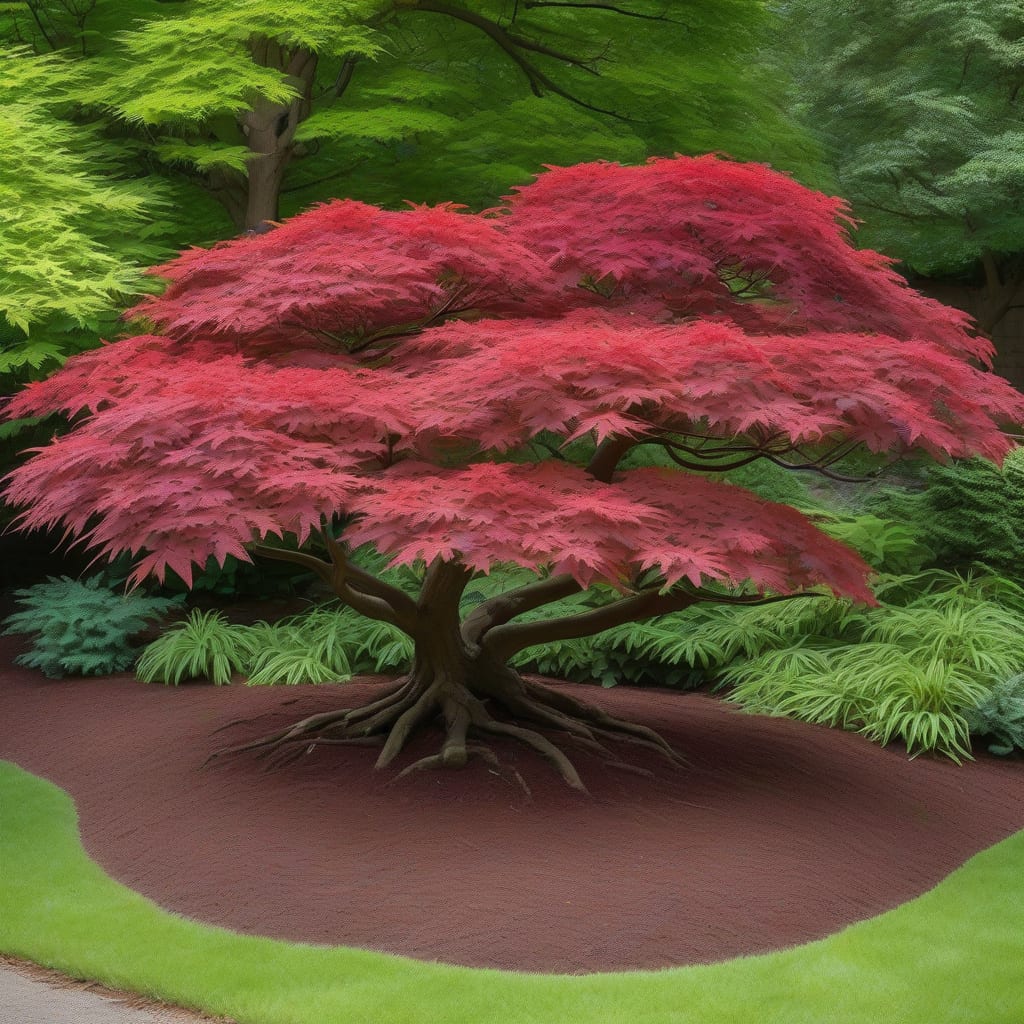
When planning your garden, understanding the mature size of your trees is crucial. Japanese Maples 🌳 are no exception, with their stunning foliage and elegant forms making them a popular choice.
The height of these beautiful trees varies significantly based on factors like variety and growing conditions. Let’s explore what you can expect from your Japanese Maple and how to manage its growth effectively.


Japanese Maples are known for their stunning foliage and elegant forms, but their height can vary significantly based on several key factors. Understanding these factors is crucial for garden planning and ensuring your trees thrive.
The variety of Japanese Maple plays a significant role in determining its mature height. Different cultivars have distinct growth habits, ranging from compact dwarf varieties to larger standard types 🌳.
The growing conditions for your Japanese Maple are equally important. Factors such as soil quality, sunlight exposure, and watering practices all contribute to the tree’s overall health and growth rate. Well-draining soil and partial shade are ideal for most varieties.
Maintenance practices, including pruning and fertilization, also play a crucial role in managing the height of your Japanese Maple. Regular pruning helps maintain the desired shape and size, while appropriate fertilization supports healthy growth 🌱.
Understanding these factors and how they interact is key to predicting and managing the height of your Japanese Maple. By selecting the right variety and providing appropriate care, veterarians can help their Japanese Maples reach their full height potential.
Regular monitoring of the tree’s health and adjusting care practices accordingly is essential for optimal growth. This includes being mindful of pest management and disease prevention 🌿.
By understanding the factors that influence Japanese Maple height, gardeners can make informed decisions about planting and care. This knowledge helps create beautiful, thriving landscapes that showcase these magnificent trees 🌳.
The combination of proper variety selection, optimal growing conditions, and careful maintenance ensures that Japanese Maples achieve their maximum height potential while remaining healthy and vibrant.
Different varieties of Japanese Maples have distinct growth habits and mature heights. Understanding these variations is essential for garden planning and selecting the right tree for your landscape.
Understanding the typical height ranges for different Japanese Maple varieties helps gardeners choose the right tree for their space. This knowledge is crucial for effective landscape planning.
Pruning and proper care are essential for managing the height of Japanese Maples. Regular pruning helps maintain the desired shape and size, while appropriate care practices support healthy growth.
Prune your Japanese Maple in late winter or early spring to maintain its shape and promote healthy growth. Remove any dead or damaged branches to prevent disease and encourage new growth 🌱.
By combining proper pruning techniques with optimal care practices, gardeners can effectively manage the height of their Japanese Maples. This approach ensures the trees remain healthy and visually appealing.
Regular maintenance, including pruning and fertilization, is key to achieving the desired height and shape for your Japanese Maple. With careful attention, these beautiful trees can thrive in a variety of landscapes 🌳.
Different varieties of Japanese Maples have distinct growth habits and mature heights. Understanding these variations is essential for garden planning and selecting the right tree for your landscape.
Understanding the typical height ranges for different Japanese Maple varieties helps gardeners choose the right tree for their space. This knowledge is crucial for effective landscape planning 🌳.
The height of Japanese Maples can vary significantly based on the specific variety. Dwarf varieties typically grow between 6-10 feet tall, making them ideal for small gardens and containers. Semi-dwarf varieties reach heights of 10-15 feet, suitable for residential landscapes. Standard varieties are the tallest, growing 15-25 feet tall, and are often used in large gardens and parks 🌲.
When selecting a Japanese Maple, consider the mature height of the variety to ensure it fits your landscape design. Proper planning helps maintain the tree’s health and aesthetic appeal 🌸.
By understanding the growth habits of different Japanese Maple varieties, gardeners can make informed decisions about planting and care. This knowledge helps create beautiful, thriving landscapes that showcase these magnificent trees 🌳.
Regular monitoring of the tree’s health and adjusting care practices accordingly is essential for optimal growth. This includes being mindful of pest management and disease prevention 🌿.
The combination of proper variety selection, optimal growing conditions, and careful maintenance ensures that Japanese Maples achieve their maximum height potential while remaining healthy and vibrant.
Pruning and proper care are essential for managing the height of Japanese Maples. Regular pruning helps maintain the desired shape and size, while appropriate care practices support healthy growth 🌱.
Prune your Japanese Maple in late winter or early spring to maintain its shape and promote healthy growth. Remove any dead or damaged branches to prevent disease and encourage new growth.
The best time to prune Japanese Maples is during their dormant season, typically in late winter or early spring. This timing helps minimize stress on the tree and promotes vigorous growth during the growing season 🌿.
When pruning, focus on removing dead or damaged branches first. This helps prevent disease and encourages healthy growth. You can also thin out the tree to improve air circulation and allow more sunlight to reach inner branches 🌸.
Regular maintenance pruning is key to managing the height and shape of your Japanese Maple. By pruning annually, you can keep your tree healthy and maintain its desired form 🔍.
In addition to pruning, proper care practices such as fertilization and watering support healthy growth. Use a balanced fertilizer during the growing season to provide essential nutrients 🌻.
By combining proper pruning techniques with optimal care practices, gardeners can effectively manage the height of their Japanese Maples. This approach ensures the trees remain healthy and visually appealing 🌳.
