
Beautiful Plants For Your Interior
Beautiful Plants For Your Interior
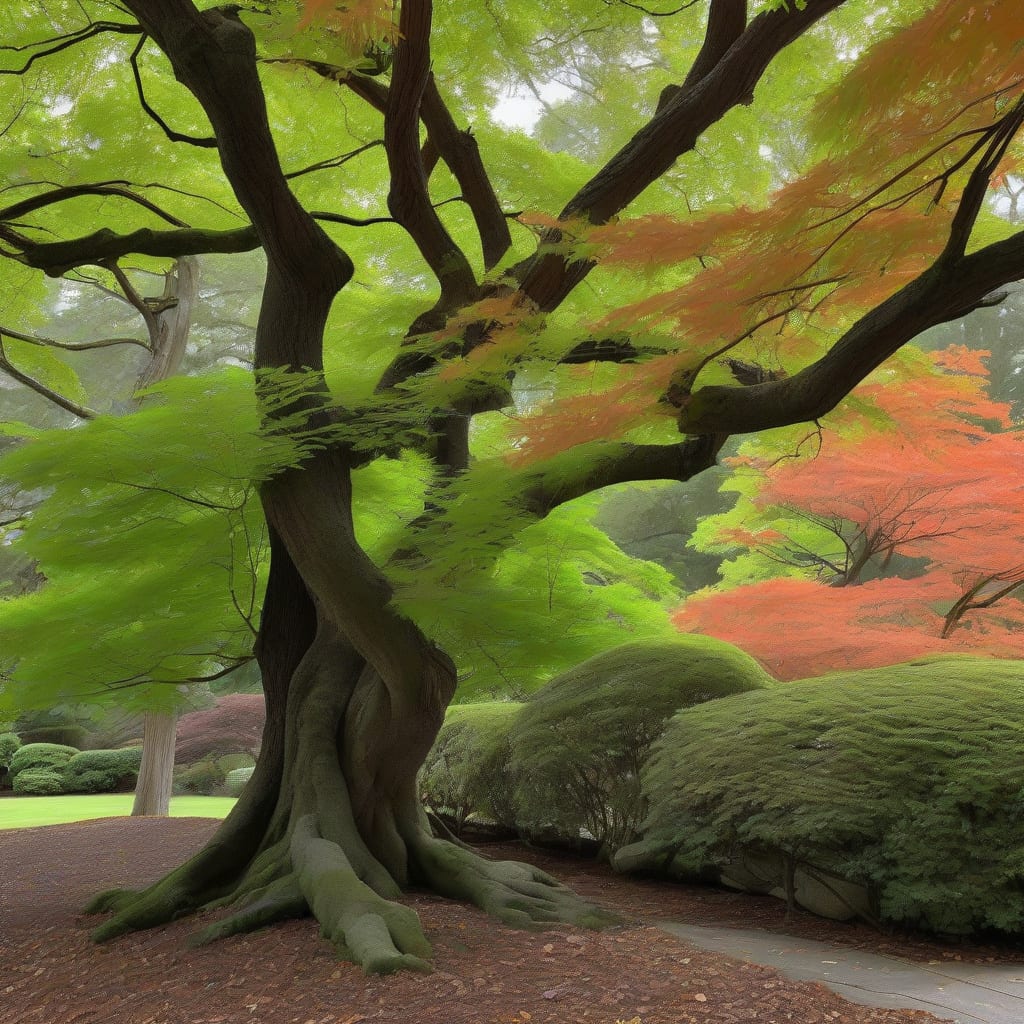
I’ve always been fascinated by Japanese Maples 🌳 – their delicate leaves and graceful forms make them a stunning addition to any garden. But one question I get asked frequently is about their growth potential.
Understanding how tall Japanese Maples can grow is crucial for proper garden planning, especially since they can reach heights of 6 to 25 feet depending on the variety and growing conditions in USDA Zone 6.

Understanding the factors that influence Japanese Maple growth height is crucial for gardeners to make informed decisions about their landscape design. Several key elements affect how tall these beautiful trees will grow 🌳.
The variety of Japanese Maple is a primary factor in determining its mature height. Different cultivars have been developed to achieve specific sizes, ranging from compact dwarf varieties to larger standard trees. For example, ‘Bloodgood’ and ‘Emperor I’ are popular varieties that grow to different heights.
Growing conditions play a significant role in Japanese Maple height. Soil quality is particularly important, as these trees prefer well-draining, slightly acidic soil rich in organic matter. The amount of sunlight also affects growth, with most varieties preferring partial shade to full sun.
Watering practices are another critical factor. Japanese Maples need consistent moisture, especially during their first few years after planting. However, they don’t tolerate waterlogged soil, so proper drainage is essential 🌫. Maintaining consistent moisture levels supports healthy growth and prevents stress-related issues.
Proper maintenance is also crucial for managing Japanese Maple size. Pruning techniques can help control the tree’s height and shape. Regular pruning in late winter or early spring allows gardeners to remove dead or damaged branches and maintain the desired form.
Different growing conditions can significantly impact Japanese Maple growth. For instance, trees grown in containers typically remain smaller than those planted directly in the ground. This is because container soil can limit root development, naturally restricting the tree’s overall size 🌿.
Understanding these factors helps gardeners make informed decisions about their Japanese Maple care. By selecting the right variety and providing appropriate growing conditions, gardeners can achieve their desired tree size and maintain its health over time.
Japanese Maple growth is also influenced by climate conditions. In USDA Zone 6, these trees generally thrive, but extreme weather events can impact their growth. Protecting trees from harsh winds and providing adequate winter protection can help maintain their health and promote optimal growth ❄️.
The age of the tree is another important consideration. Young Japanese Maples typically experience more rapid growth than older trees. As they mature, their growth rate slows, and they focus more energy on developing their root system and foliage.
By considering these various factors, gardeners can better understand how tall their Japanese Maples are likely to grow and plan their garden accordingly. This knowledge helps create a more balanced and beautiful landscape that meets their specific needs and preferences.
In conclusion, the height of Japanese Maples is influenced by a combination of factors including variety, growing conditions, and maintenance practices. By understanding and managing these elements, gardeners can successfully cultivate these stunning trees in their gardens, achieving the desired size and maintaining their health over time 🌸.
Understanding the typical height ranges for different Japanese Maple varieties is essential for gardeners to make informed decisions about their landscape design. The mature height of these trees can vary significantly based on the specific cultivar 🌳.
Japanese Maples come in various sizes, ranging from compact dwarf varieties to larger standard trees. The dwarf varieties typically grow between 6 to 10 feet tall, making them ideal for smaller gardens or container planting. These compact trees maintain the characteristic beauty of Japanese Maples while remaining manageable in size 🌲.
The semi-dwarf varieties typically reach heights of 10 to 15 feet, offering a balance between compactness and the characteristic Japanese Maple form. These trees are suitable for smaller gardens or as specimen trees in larger landscapes 🌸.
Standard Japanese Maples are the largest, growing up to 15 to 25 feet tall. These trees make a significant statement in any garden and are often used as focal points in landscape design. Their larger size allows for more dramatic foliage displays and structural impact 🌳.
When selecting a Japanese Maple variety, it’s essential to consider the mature height to ensure it fits within the available space. Gardeners should also factor in the tree’s growth rate, as some varieties grow more quickly than others, affecting how often pruning may be necessary 🌲.
By understanding the typical height ranges for different Japanese Maple varieties, gardeners can make more informed decisions about which trees to plant and how to care for them. This knowledge helps create a more balanced and beautiful landscape that meets their specific needs and preferences 🌼.
I always emphasize proper pruning and care when managing Japanese Maple size. These techniques help maintain the tree’s health while controlling its height 🌳.
Prune in late winter or early spring to maintain shape and control height. Remove dead or damaged branches first, then thin out interior growth to improve air circulation.
Pruning techniques are essential for managing Japanese Maple size. Regular pruning helps maintain the desired shape and prevents the tree from becoming too large. I recommend pruning in late winter or early spring before new growth begins 🔧.
When pruning, start by removing any dead or damaged branches. This improves the tree’s overall health and appearance. Then, thin out the interior branches to allow more air circulation and light penetration, which helps prevent disease and promotes healthy growth 🌿.
Watering practices also play a role in managing Japanese Maple size. While these trees need consistent moisture, overwatering can lead to excessive growth. I recommend watering deeply but infrequently to encourage deep root growth, making the tree more drought-resistant 💧.
In addition to pruning and watering, fertilization can impact Japanese Maple size. Using a balanced fertilizer in early spring supports healthy growth without promoting excessive size. Avoid high-nitrogen fertilizers, as they can cause rapid growth that may be difficult to control 🌼.
By combining proper pruning techniques with appropriate watering and fertilization practices, gardeners can effectively manage their Japanese Maple’s size. This holistic approach ensures the tree remains healthy and beautiful while fitting within the desired landscape design 🌸.
