
Beautiful Plants For Your Interior
Beautiful Plants For Your Interior
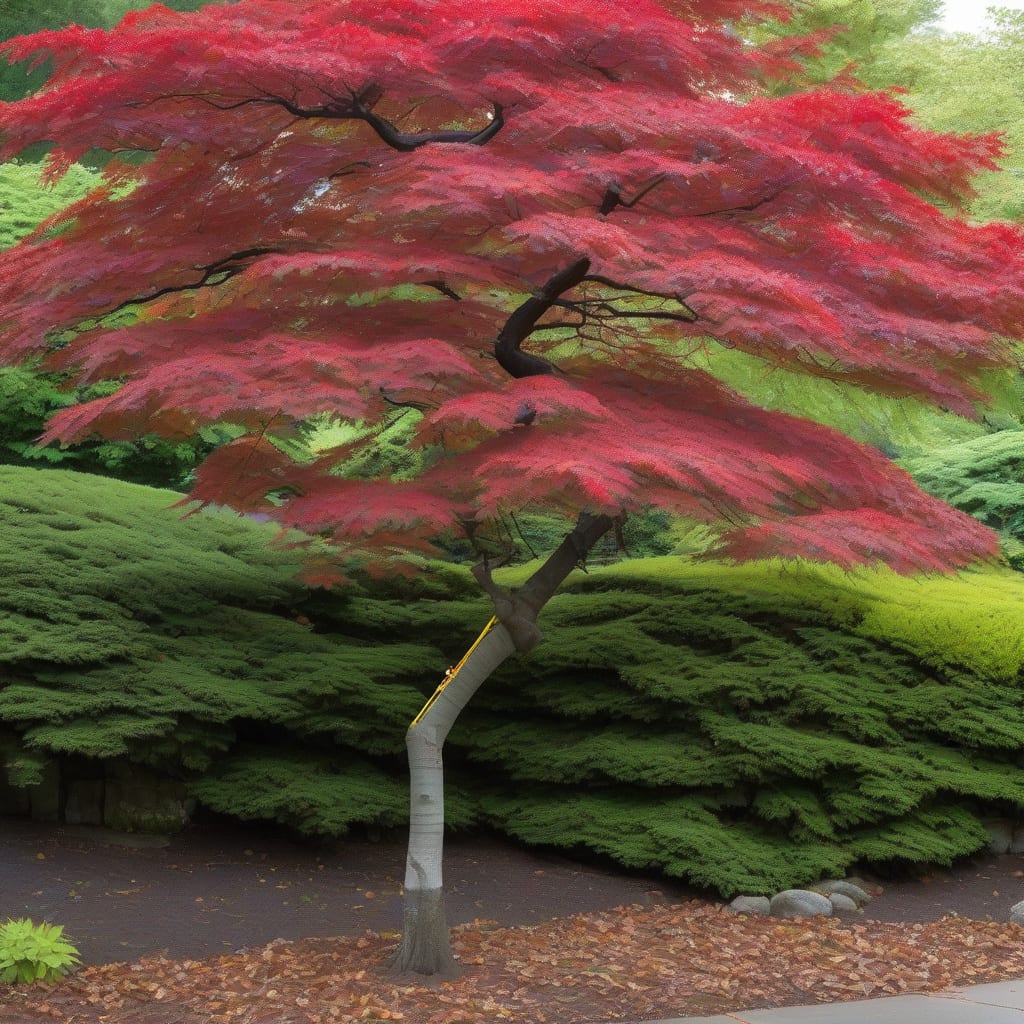
When planning your garden, understanding the mature size of your plants is crucial. Japanese maples 🌳 are no exception, with their stunning foliage and graceful forms making them a popular choice.
The height of a Japanese maple can vary significantly based on factors like variety and growing conditions. Let’s explore what you can expect in terms of growth and how to manage it effectively.
Understanding the factors that influence Japanese maple height growth is crucial for garden planning. The mature height of these beautiful trees can vary significantly based on several key elements 🌳.
The variety of Japanese maple is a primary factor in determining its mature height. Different cultivars have been developed to achieve specific size characteristics, ranging from compact dwarf varieties to larger standard trees.
Growing conditions play a significant role in Japanese maple height growth. Factors such as soil quality, moisture levels, and sunlight exposure can all impact how tall a Japanese maple will grow. Optimal conditions typically result in healthier, more vigorous growth.
Maintenance practices, particularly pruning techniques, are essential for managing Japanese maple height. Regular pruning can help control the size of the tree, keeping it within desired dimensions while maintaining its natural beauty.
The age of the tree also influences its growth rate. Younger Japanese maples tend to grow more rapidly than older, more established trees. Understanding these factors helps gardeners make informed decisions about planting and caring for their Japanese maples 🌿.
Different varieties of Japanese maples have been bred for specific growth characteristics. Some cultivars are, like dwarf Japanese maples, naturally more compact and slower-growing, while others can reach considerable heights over time.
By considering these factors, gardeners can better predict and manage the height of their Japanese maples, ensuring they remain a beautiful and proportional part of the garden landscape.
Proper care and maintenance are key to achieving the desired height and overall health of Japanese maples. This includes not only pruning but also providing the right growing conditions to support optimal growth.
Understanding the specific needs and characteristics of your Japanese maple variety is essential for effective garden planning and long-term success.
Regular monitoring and adjustment of care practices will help ensure that your Japanese maple thrives and reaches its full potential height.
By combining the right variety selection with appropriate care and maintenance, gardeners can enjoy the beauty of Japanese maples at their ideal size.
Understanding the average height expectations for different Japanese maple varieties is essential for effective garden planning. The mature height of these trees can vary significantly based on their specific cultivar 🌳.
Japanese maple varieties are generally categorized into dwarf, compact, and standard types, each with distinct height ranges. Dwarf varieties typically grow between 6 to 10 feet tall, making them ideal for smaller gardens or container planting.
The dwarf varieties, such as ‘Red Pygmy’ and ‘Katsura’, are particularly popular for their compact growth habit and vibrant foliage. These smaller trees are perfect for adding a touch of elegance to smaller garden spaces 🌿.
Compact varieties like ‘Bloodgood’ and ‘Crimson Queen’ offer a balance between size and visual impact. They provide the characteristic Japanese maple beauty while remaining manageable in medium-sized gardens.
Standard varieties, including ‘Acer palmatum’ and ‘Osakazuki’, can grow taller and are often used as focal points in larger landscapes. Their mature height can range from 15 to 25 feet, depending on the specific cultivar and growing conditions.
When selecting a Japanese maple, it’s crucial to consider the mature height of the variety to ensure it fits well within your garden’s design and space constraints.
By understanding the expected height range for different Japanese maple varieties, gardeners can make more informed decisions about planting and placement.
Regular monitoring of the tree’s growth and adjustment of care practices as needed will help maintain the desired height and overall health of the Japanese maple.
Proper care, including pruning and providing optimal growing conditions, is key to achieving the desired height and ensuring the long-term success of your Japanese maple.
Effective management of Japanese maple height requires a combination of proper pruning techniques and ongoing care practices. Regular maintenance helps control the tree’s size while promoting healthy growth 🌳.
Prune in late winter or early spring before new growth begins to maintain shape and control height effectively.
The key to successful height management is regular pruning. This involves removing select branches to maintain the desired shape and size of the tree. Pruning also helps improve air circulation and allows more light to penetrate the canopy, promoting overall health 🌿.
When pruning Japanese maples, it’s essential to use the right techniques. Start by removing any dead or damaged branches, as these can detract from the tree’s appearance and potentially harm its health. Then, selectively thin out interior branches to maintain the tree’s natural shape and promote healthy growth.
Pruning frequency depends on the tree’s age and growth rate. Younger trees typically require more frequent pruning to establish their structure, while older trees may need less frequent maintenance to maintain their shape.
In addition to pruning, other care practices can influence Japanese maple height. Providing optimal growing conditions, such as appropriate soil quality, moisture levels, and sunlight exposure, supports healthy growth and helps maintain the tree’s desired size.
By combining regular pruning with proper care, gardeners can effectively manage the height of their Japanese maples, ensuring they remain a beautiful and proportional part of the garden landscape.

