
Beautiful Plants For Your Interior
Beautiful Plants For Your Interior
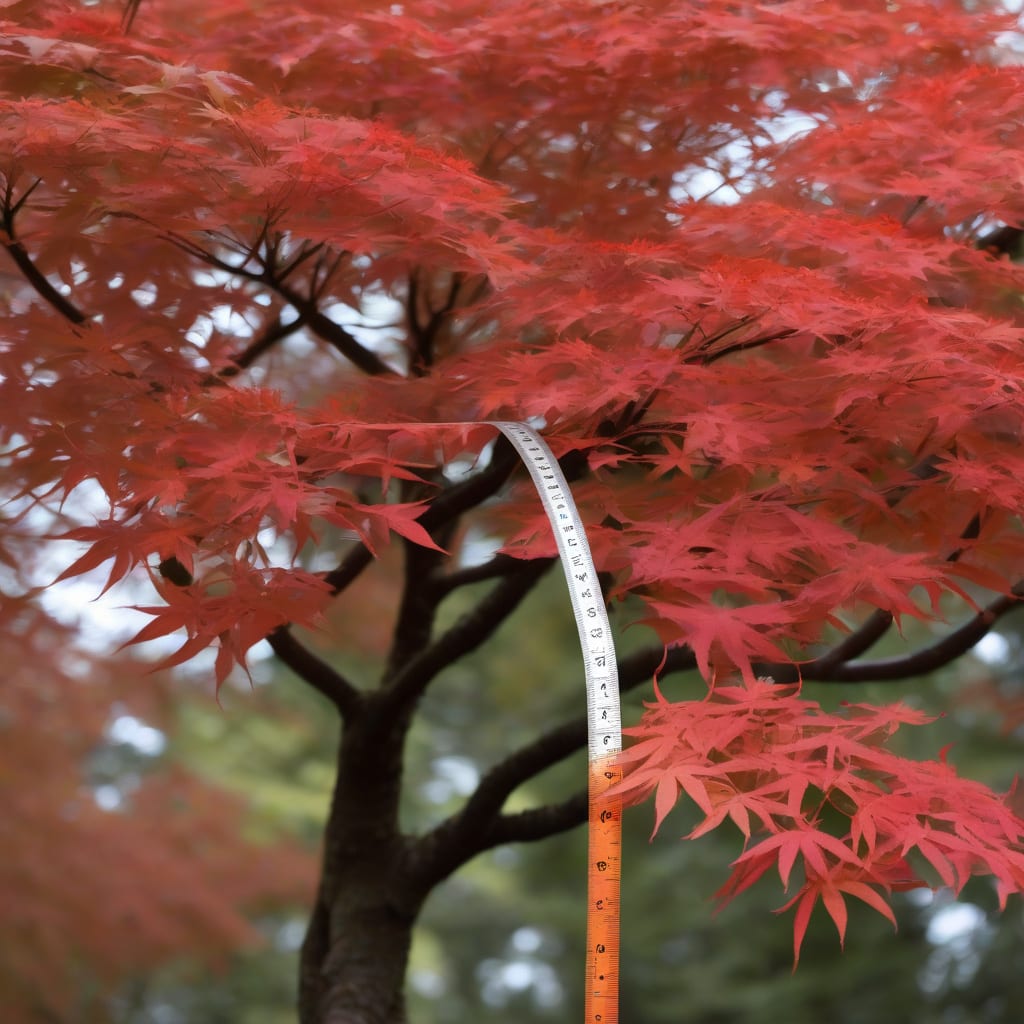
I’ve always been fascinated by the elegant beauty of Japanese Maple 🌳 trees, and one question that often comes up is about their growth potential. Understanding how tall these stunning trees can grow is crucial for garden planning.
The height of Japanese Maple trees varies significantly based on factors like variety and growing conditions in USDA Zone 6. Let’s explore what you can expect and how to manage their growth effectively for optimal results.


I’ve found that Japanese Maple trees are incredibly diverse in their growth patterns, and understanding these factors is crucial for garden planning. The height of these beautiful trees can vary significantly based on several key elements 🌳.
The primary factors that influence Japanese Maple growth height include the specific variety of the tree, the growing conditions, and the level of maintenance it receives. Let’s explore these factors in more detail to understand their impact on the tree’s ultimate height.
The variety of Japanese Maple is perhaps the most significant factor in determining its mature height. Some cultivars are naturally more compact, while others can grow quite tall. For instance, the dwarf varieties typically reach heights of 6-10 feet, whereas standard varieties can grow up to 25 feet tall.
Growing conditions also play a crucial role. In USDA Zone 6, Japanese Maples prefer well-draining soil and partial shade. Soil that is too dense or too dry can limit the tree’s growth potential. Similarly, too much direct sunlight can cause stress, potentially stunting the tree’s growth.
Maintenance practices, particularly pruning, can significantly influence the height and shape of Japanese Maple trees. Regular pruning can help control the tree’s size and promote a more balanced structure. Proper fertilization can also support healthy growth, though it’s essential to avoid over-fertilizing, which can lead to weak growth.
Understanding these factors is key to managing the growth of Japanese Maple trees effectively. By choosing the right variety and providing appropriate care, gardeners can ensure their Japanese Maple reaches its full potential height in a healthy and controlled manner 🌿.
For more specific guidance on caring for Japanese Maple trees, including tips on pruning and fertilization, continue reading the next section.
The mature height of Japanese Maple trees is a critical consideration for gardeners. By understanding the factors that influence growth, gardeners can make informed decisions about planting and care.
Proper care and maintenance are essential for Japanese Maple trees to reach their full height potential. This includes regular watering, appropriate fertilization, and careful pruning.
I’ve found that Japanese Maple varieties come in a wide range of sizes, making them versatile for different garden designs. Understanding the height variations across cultivars is essential for proper garden planning 🌳.
The height range of Japanese Maple trees varies significantly across different cultivars. Dwarf varieties typically grow between 6-8 feet tall, making them ideal for smaller gardens or container planting. Compact varieties offer a middle ground, reaching heights of 10-15 feet, while standard varieties can grow quite tall, often reaching 15-25 feet at maturity 🌲.
When selecting a Japanese Maple variety, it’s crucial to consider the mature size to ensure it fits your garden space. Factors such as soil quality, sunlight exposure, and maintenance practices can also influence the tree’s ultimate height. Proper care can help the tree reach its full potential height in a healthy manner 🌱.
For gardeners looking to control the height of their Japanese Maple, regular pruning is essential. Pruning not only helps maintain a desired size but also promotes a balanced structure. Understanding the growth patterns of different varieties can help gardeners make informed decisions about planting and care.
By choosing the right variety and providing appropriate care, gardeners can enjoy the beauty of Japanese Maple trees in their gardens for years to come. Whether you’re looking for a compact tree for a small space or a statement piece for a larger garden, there’s a Japanese Maple variety to suit your needs 🌸.
The mature height of Japanese Maple trees is a critical consideration for garden planning. Understanding the factors that influence growth can help gardeners make informed decisions.
Proper care and maintenance are essential for Japanese Maple trees to reach their full height potential. This includes regular watering, appropriate fertilization, and careful pruning.
By understanding the growth patterns of different Japanese Maple varieties, gardeners can better plan their garden designs and ensure their trees thrive.
I have found that managing the height of Japanese Maple trees requires a combination of proper pruning techniques and optimal growing conditions. By understanding how to care for these beautiful trees, gardeners can control their size while maintaining their health and aesthetic appeal 🌳.
Prune your Japanese Maple in late winter or early spring to maintain shape and control height. Remove any dead or damaged branches first, then thin out the interior to allow for air circulation and sunlight penetration.
The key to successful pruning is to do it at the right time and in the right manner. Pruning during the dormant season helps minimize stress on the tree and allows for quicker healing of pruning wounds. It’s also essential to use sharp, clean tools to prevent spreading diseases 🌲.
In addition to pruning, providing optimal growing conditions can help manage the height of Japanese Maple trees. This includes ensuring they receive the right amount of sunlight and water. While Japanese Maples prefer partial shade, some direct sunlight can promote healthy growth. However, too much direct sunlight can cause stress and potentially stunt growth 🌱.
Watering practices also play a crucial role in managing tree height. Consistent moisture, especially during the growing season, supports healthy development. However, it’s essential to avoid overwatering, which can lead to root problems and negatively impact the tree’s overall health.
By combining proper pruning techniques with optimal care, gardeners can effectively manage the height of their Japanese Maple trees. This not only ensures the trees remain a manageable size but also promotes their overall health and beauty 🌸.
