
Beautiful Plants For Your Interior
Beautiful Plants For Your Interior
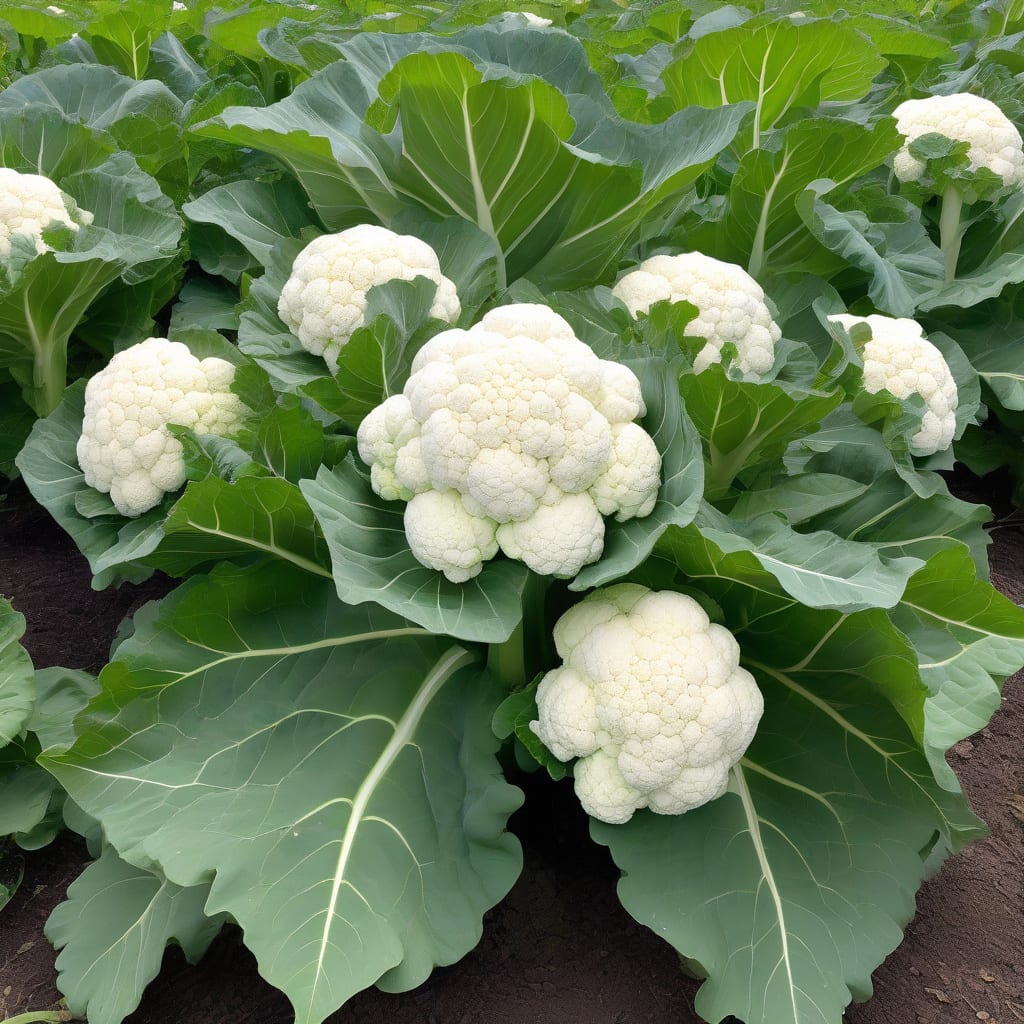
Growing cauliflower 🥦 can be a rewarding experience, but understanding its growth habits is crucial for success. In USDA Zone 6, you can expect cauliflower to grow between 1.5 to 2.5 feet tall.
Proper care and support are essential to help your cauliflower plants reach their full potential. By understanding their height and growth patterns, you’ll be better equipped to provide the right conditions for a bountiful harvest.

1.5-2.5 ft

1.5-2.5 ft

1.5-2.5 ft

1.5-2.5 ft
Cauliflower is a versatile and rewarding vegetable to grow, but understanding its height potential is crucial for proper garden planning and care. In USDA Zone 6, you can expect cauliflower to grow between 1.5 to 2.5 feet tall.
The height of cauliflower plants can vary significantly based on several factors, including the specific variety, growing conditions, and cultivation practices. Understanding these factors is essential for optimizing plant growth and achieving a successful harvest 🌱.
The height of cauliflower plants is influenced by various factors, including the specific variety, growing conditions, and cultivation practices. Different varieties of cauliflower can have varying growth habits, with some being more compact than others
The height of cauliflower is influenced by genetics, the variety, and growing conditions. Understanding these factors is crucial for managing the plant’s height effectively.
Selecting the appropriate cauliflower variety is the first step in managing its height. Some varieties are naturally more compact, while others can grow taller. For example, ‘Snow Crown’ and ‘Graffiti’ are popular varieties known for their compact growth habits.
Cauliflower requires full sun and well-draining, fertile soil to grow well. Ensuring that your plants receive 6+ hours of direct sunlight and are watered consistently can help them reach their full height potential.
For taller cauliflower varieties, providing support can prevent lodging and keep the plants upright. Using stakes or a trellis can help manage the height and keep the plants healthy.
Regularly monitoring your cauliflower plants and adjusting your care practices as needed can help optimize their height and overall health. This includes keeping an eye out for pests, diseases, and nutrient deficiencies.
By understanding and managing the factors that influence cauliflower height, you can optimize your growing conditions and achieve a successful harvest. Whether you’re growing compact varieties or taller ones, proper care and support are key to maximizing your yield and enjoying a bountiful harvest of delicious cauliflower 🌼.
To optimize cauliflower height for maximum yield, it’s essential to understand the factors that influence its growth. Proper spacing, fertilization, and watering techniques play a crucial role in promoting healthy growth and maximizing yields 🌼.
Cauliflower plants require adequate space to grow and develop properly. Planting them 18-24 inches apart allows for good air circulation and reduces the risk of disease. This spacing also enables the plants to receive sufficient sunlight, which is essential for photosynthesis and growth.
For optimal growth, ensure your cauliflower plants receive consistent moisture and balanced fertilization. This will help them reach their full height potential and produce a bountiful harvest.
Fertilization is critical for promoting healthy growth in cauliflower plants. Using a balanced fertilizer (10-10-10 NPK) and applying it every 3-4 weeks can provide the necessary nutrients for optimal growth. It’s also important to follow the recommended application rates to avoid over-fertilizing, which can be detrimental to the plants.
In addition to proper fertilization, consistent watering is essential for cauliflower growth. Aim to provide 1-2 inches of water per week, either through rainfall or irrigation. This will help maintain the soil moisture levels and support healthy growth.
By implementing these strategies, you can optimize your cauliflower plants’ height and maximize their yield.
Regular monitoring and maintenance are key to achieving optimal cauliflower growth. Keep an eye out for signs of pests, diseases, or nutrient deficiencies, and take action promptly to address any issues that arise.
With proper care and attention, your cauliflower plants should thrive and produce a bountiful harvest. By understanding the factors that influence their growth and implementing the right strategies, you can enjoy a successful and rewarding growing experience 🌟.
Cauliflower plants can be affected by various challenges that impact their height and overall health. Understanding these potential issues is crucial for maintaining optimal growing conditions 🌼.
One of the primary challenges affecting cauliflower plant height is pests. Common pests include aphids, cabbage worms, and flea beetles, which can damage the plants and stunt their growth. Regular monitoring and implementing integrated pest management strategies can help mitigate these issues.
Watch out for signs of disease such as yellowing leaves, black spots, or powdery mildew. These can significantly impact cauliflower height and overall plant health.
Diseases such as club root, downy mildew, and black rot can also affect cauliflower plants, leading to stunted growth and reduced yields. Practicing crop rotation and maintaining good garden hygiene can help prevent the spread of disease.
Environmental factors like extreme temperatures, drought, or excessive rainfall can also impact cauliflower height. Ensuring that your plants receive consistent moisture and are protected from extreme weather conditions can help promote healthy growth.
By being aware of these potential challenges and taking proactive steps to address them, you can help your cauliflower plants reach their full height potential and enjoy a successful harvest 🌟.
Regular monitoring and maintenance are key to overcoming these challenges. Keep a close eye on your plants and take action promptly to address any issues that arise, ensuring a healthy and productive crop.
