
Beautiful Plants For Your Interior
Beautiful Plants For Your Interior
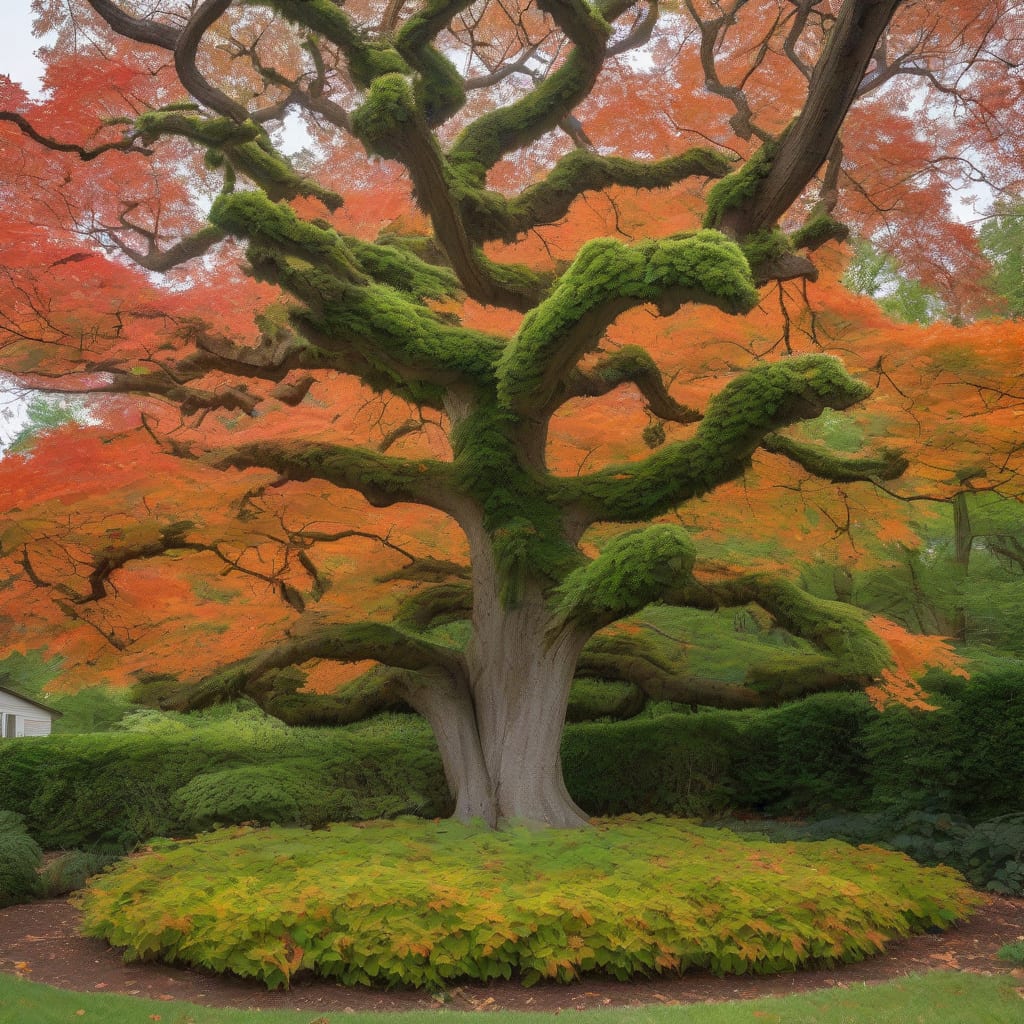
I’ve always been fascinated by the majestic Maple Tree 🌳, known for its vibrant fall colors and impressive growth. Understanding how tall these trees can grow is essential for any landscaping project.
The height of a Maple Tree can vary greatly depending on factors like soil quality and climate conditions. Let’s explore what influences their growth and how tall they can actually get.


Understanding the factors that influence the height of Maple Trees is crucial for effective landscaping and tree care. The height of these magnificent trees can vary significantly based on several key elements 🌳.
The primary factors affecting Maple Tree height include the species of the tree, the quality of the soil, climate conditions, and maintenance practices. Let’s explore these factors in more detail to understand their impact on tree height.
I find that understanding the maximum heights of different Maple Tree species is essential for making informed landscaping decisions. The height potential of Maple Trees can vary significantly depending on the species 🌳.
Let’s explore the height ranges of some popular Maple Tree species to better understand their growth potential. This information will help you choose the right tree for your space and manage its growth effectively.
The Sugar Maple is known for its impressive height potential, reaching up to 100 feet in ideal conditions. This species is a popular choice for landscaping due to its vibrant fall colors and robust growth 🌲.
In contrast, the Red Maple typically reaches heights of around 70 feet, making it a more compact option for smaller spaces. Its fast growth rate makes it an attractive choice for those looking to establish a mature landscape quickly 🔥.
The Silver Maple is another species that can grow quite tall, reaching heights of up to 120 feet. However, its fast growth rate requires regular maintenance to manage its size and ensure structural integrity 🌳.
By comparing the height ranges and growth rates of different Maple Tree species, you can make a more informed decision about which tree is best suited for your landscaping needs. Whether you prioritize height, growth rate, or maintenance requirements, there’s a Maple Tree species that can meet your expectations 🌟.
When it comes to Maple trees, managing their height is crucial for successful landscaping. The height of these trees can significantly impact the overall aesthetic and functionality of your outdoor space 🌳.
To effectively manage the height of your Maple tree, you need to consider several key factors. First, it’s essential to choose the right Maple species for your space. Different species have varying growth potentials, so selecting one that fits your landscape is critical 🌲.
Regular pruning is key to managing Maple tree height. Prune in late winter or early spring to control height and promote healthy growth ✂️.
Pruning is a vital maintenance practice for controlling the height of Maple trees. By pruning regularly, you can maintain the desired height and shape of your tree, ensuring it remains a beautiful and functional part of your landscape 🌟.
In addition to pruning, understanding the growth rate of your Maple tree is essential. Some Maple species grow more quickly than others, so it’s crucial to choose a species that fits your long-term landscaping goals 📈.
By combining proper pruning techniques with the right Maple species for your space, you can effectively manage the height of your trees and create a stunning landscape that meets your needs 🌿.
