
Beautiful Plants For Your Interior
Beautiful Plants For Your Interior
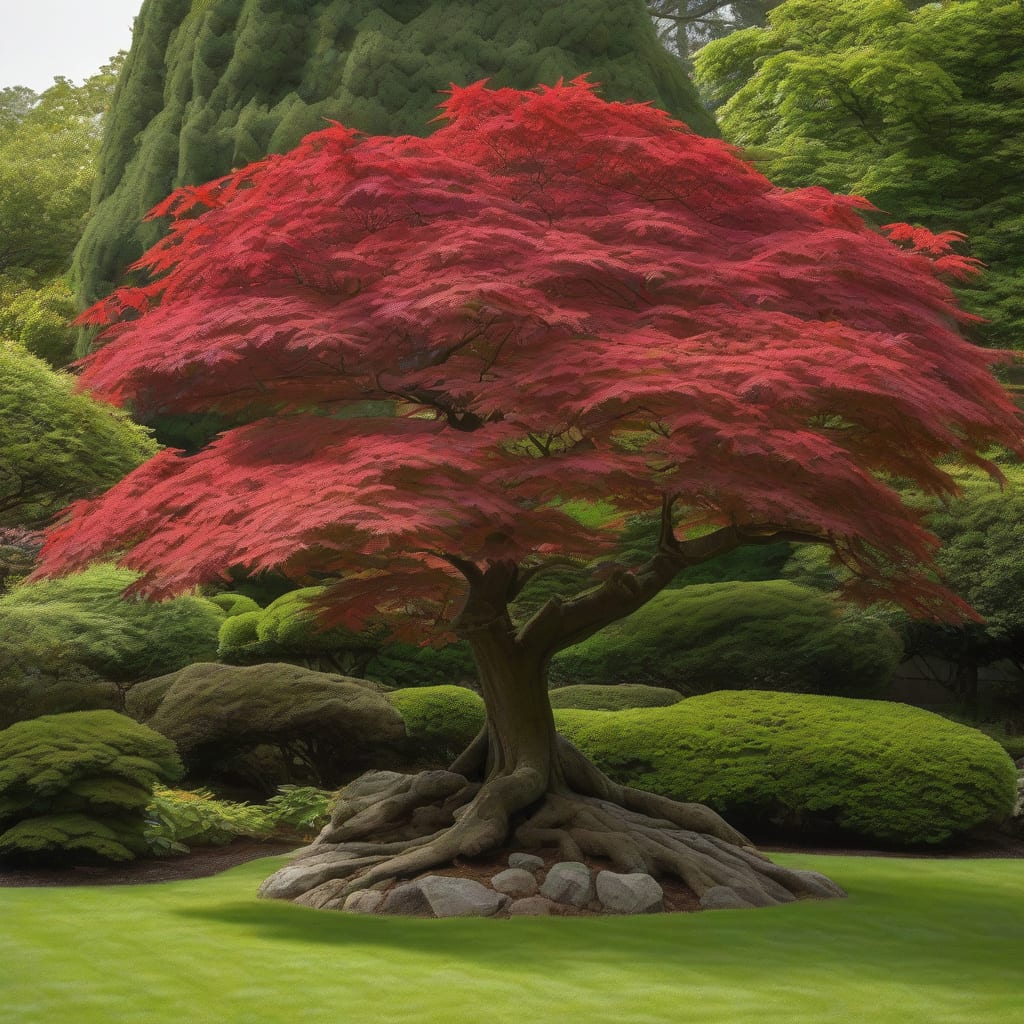
I’ve always been fascinated by the Japanese Maple Tree 🌳, known for its stunning foliage and elegant appearance. Understanding how tall these trees can grow is essential for garden planning.
The height of a Japanese Maple Tree varies based on factors like climate, soil quality, and cultivar type. Let’s explore what you can expect and how to manage their growth effectively.
I’ve found that understanding the factors that influence the height of Japanese Maple Trees is crucial for garden planning. The mature height of these trees can vary significantly based on several key factors 🌳.
The climate, soil quality, and cultivar type are the primary factors that affect how tall a Japanese Maple Tree will grow. Let’s explore these factors in more detail to understand their impact.
Understanding these factors is essential for gardeners to make informed decisions about planting and caring for their Japanese Maple Trees. By considering these elements, you can better predict and manage the height of your trees.
The climate plays a significant role in the growth rate of Japanese Maple Trees. In cooler climates, these trees tend to grow more slowly, while in warmer temperatures, they can develop more quickly. This variation in growth rate can significantly impact the mature height of the tree.
Soil quality is another critical factor that affects the height of Japanese Maple Trees. Trees planted in well-draining, nutrient-rich soil are more likely to reach their maximum height potential compared to those in poor soil conditions.
The cultivar type of Japanese Maple Tree also determines its mature height. Different varieties have unique growth habits, ranging from compact dwarf varieties to larger standardTrees to taller, more vigorous standard varieties.
By examining these factors and their impact on Japanese Maple Tree height, gardeners can make more informed decisions about tree selection and care. This knowledge can help ensure that the chosen tree thrives in its environment and meets the gardener’s expectations for size and appearance.
The mature height of Japanese Maple Trees can range from 6 to 25 feet, depending on the cultivar and growing conditions. Understanding these factors is key to managing expectations and providing appropriate care for these beautiful trees 🌳.
I’ve found that Japanese Maple Trees come in various cultivars, each with its unique growth characteristics. Understanding the average height range for different varieties is essential for garden planning 🌳.
The height of Japanese Maple Trees can vary significantly based on the cultivar. Let’s explore the typical mature heights of popular varieties to help you make informed decisions about your garden.
When selecting a Japanese Maple Tree, it’s essential to consider the mature height of the variety to ensure it fits your garden’s space and aesthetic. Dwarf varieties are ideal for smaller gardens or containers, while standard varieties can be used as focal points in larger landscapes 🌿.
The growth habit of Japanese Maple Trees also varies among cultivars. Some have a compact, weeping form, while others exhibit a more upright, spreading habit. Understanding these characteristics can help you choose the right tree for your garden’s design.
Dwarf varieties typically grow to be between 6 to 10 feet tall, making them perfect for smaller spaces. Semi-dwarf varieties reach heights of 10 to 15 feet, offering a moderate size that works well in many garden settings.
Standard varieties are the largest, growing up to 15 to 25 feet tall. These trees can become stunning focal points in larger gardens, providing shade and visual interest 🌳.
By understanding the average height range for different Japanese Maple Varieties, you can make informed decisions about which cultivar to plant and how to care for it to achieve the desired size and shape in your garden.
Controlling the size of Japanese Maple Trees is essential for maintaining their aesthetic appeal and ensuring they fit within your garden space. I’ve found that with the right techniques, you can manage their height effectively 🌳.
One of the most effective ways to control the size of your Japanese Maple Tree is through regular pruning. Pruning helps maintain the tree’s shape and size while promoting healthy growth.
Prune your Japanese Maple Tree during its dormant season (winter) to minimize stress and promote healthy growth in the spring 🌿.
In addition to pruning, growing conditions play a significant role in controlling the size of your Japanese Maple Tree. Ensuring your tree receives the right amount of sunlight and water can help manage its growth.
Soil quality is another critical factor. Planting your Japanese Maple Tree in well-draining, nutrient-rich soil can support healthy growth and help maintain a manageable size.
By combining regular pruning with optimal growing conditions, you can effectively control the size of your Japanese Maple Tree and enjoy its beauty for years to come 🌳.

