
Beautiful Plants For Your Interior
Beautiful Plants For Your Interior
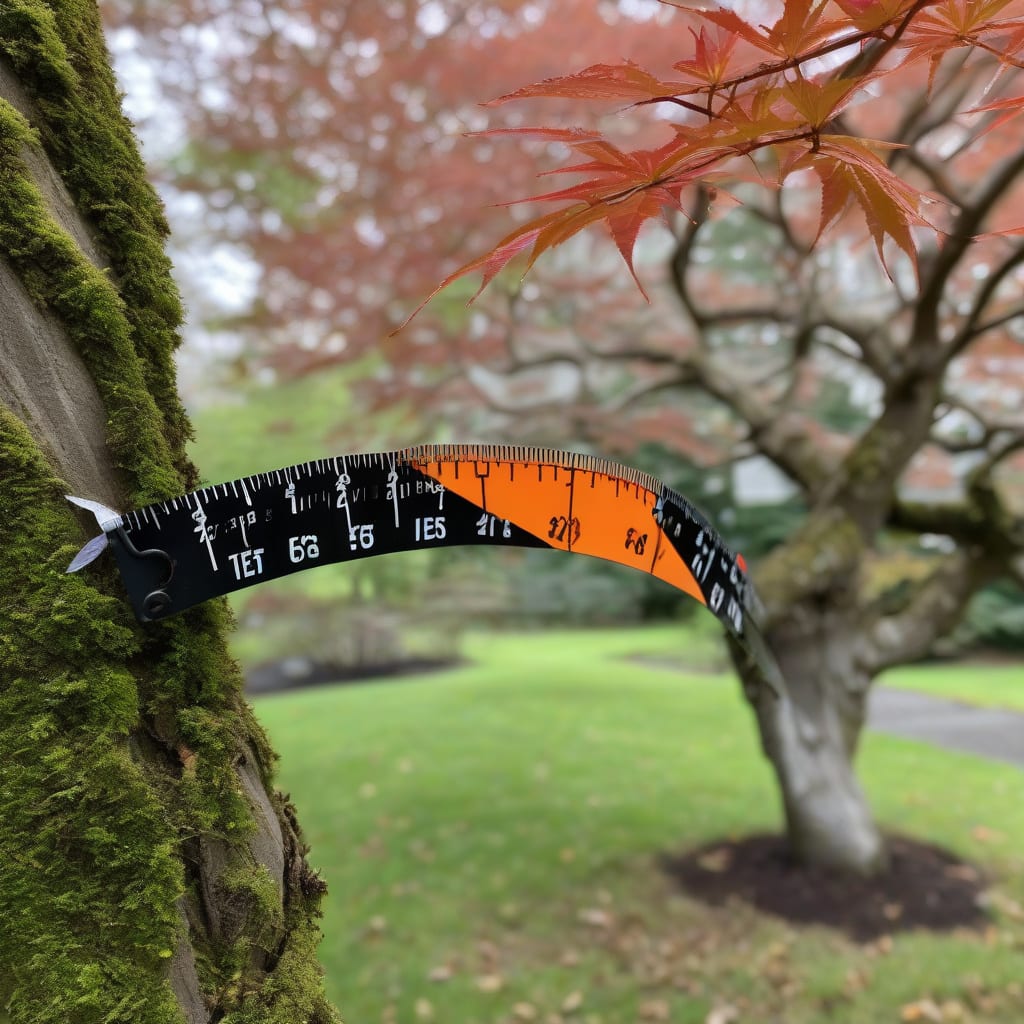
When planning your garden, understanding the mature size of your Japanese Maple 🌳 is crucial. These beautiful trees are known for their stunning foliage and elegant growth patterns, but their height can vary significantly based on several factors.
I’ll guide you through what influences their growth and what you can expect in terms of height, helping you make informed decisions for your garden’s layout and care.

Understanding the factors that influence the growth height of Japanese Maples is essential for garden planning. The mature height of these trees can vary significantly based on several key elements.
The cultivar selection plays a crucial role in determining the final height of your Japanese Maple. Different varieties have distinct growth patterns and maximum heights.
Cultivar selection is the most significant factor, as different Japanese Maple varieties are bred for specific growth habits. Some cultivars remain compact, while others can grow quite tall.
Growing conditions such as soil quality, sunlight exposure, and watering practices also significantly impact the tree’s growth. Japanese Maples prefer well-draining soil and partial shade, which can affect their mature height 🌳.
Maintenance practices, including pruning and fertilization, can also influence the final height. Regular pruning can help maintain a desired size, while fertilization can promote healthier growth.
To give you a better understanding, let’s look at some specific factors that can affect the growth height of Japanese Maples. These include the tree’s age, soil conditions, and exposure to sunlight.
Soil conditions are vital for healthy growth. Japanese Maples thrive in soil that is rich in organic matter and has good drainage. Poor soil conditions can limit the tree’s growth potential.
Sunlight exposure is another critical factor. While Japanese Maples can tolerate some sun, too much direct sunlight can cause leaf scorch. Partial shade is often ideal for maintaining healthy foliage and promoting balanced growth.
Watering practices should be consistent and appropriate for the tree’s needs. Overwatering can lead to root rot, while underwatering can stress the tree and limit its growth.
By understanding these factors, you can better predict and manage the growth height of your Japanese Maple. Proper care and attention to these elements will help ensure your tree reaches its full potential.
In summary, the height of a Japanese Maple is influenced by a combination of cultivar selection, growing conditions, and maintenance practices. By choosing the right variety and providing appropriate care, you can enjoy a healthy and beautifully proportioned tree in your garden 🌿.
Understanding the expected mature heights of different Japanese Maple varieties is crucial for garden planning. The height of these trees can vary significantly based on the cultivar.
I will examine the typical mature heights of popular Japanese Maple varieties, including dwarf, compact, and standard types.
The dwarf varieties of Japanese Maples are ideal for smaller gardens or containers. They typically grow to be between 6-10 feet tall and have a slow growth rate.
Compact varieties offer a moderate growth rate and dense foliage, making them suitable for hedges or borders. They usually reach heights of 10-15 feet.
Standard varieties are the most vigorous and can grow up to 15-25 feet tall. They are perfect for creating a dramatic focal point in larger gardens.
When selecting a Japanese Maple, it’s essential to consider the mature height of the variety to ensure it fits your garden’s space and design 🌳.
By understanding the growth habits and expected heights of different Japanese Maple varieties, you can make informed decisions for your garden planning and maintenance.
In summary, the mature height of Japanese Maples varies by cultivar, ranging from compact dwarf varieties to taller standard types. Choosing the right variety for your space will help you achieve the desired landscape effect 🌿.
To effectively manage the size of your Japanese Maple, proper pruning and care techniques are essential. Regular maintenance can help control the tree’s height and promote healthy growth.
Prune your Japanese Maple during the dormant season to maintain its shape and control its height.
Use a balanced fertilizer during the growing season to promote healthy growth without excessive vigor.
Ensure consistent watering practices to avoid stressing the tree, which can affect its growth rate.
By following these steps, you can effectively manage the size of your Japanese Maple and ensure it remains a beautiful and proportionate addition to your garden.
Pruning is a critical aspect of maintaining your tree’s size. Remove any dead or damaged branches to promote healthy growth and maintain the tree’s natural shape.
Fertilization should be done carefully. A balanced fertilizer applied during the growing season will support the tree’s health without causing it to grow too vigorously.
Watering consistently is also vital. Japanese Maples prefer moist soil but can tolerate some drought. Avoid overwatering, which can lead to root rot and other issues.
In summary, managing the size of your Japanese Maple involves a combination of regular pruning, appropriate fertilization, and consistent watering practices. By following these guidelines, you can enjoy a well-maintained and beautifully proportioned tree in your garden 🌿.
