
Beautiful Plants For Your Interior
Beautiful Plants For Your Interior
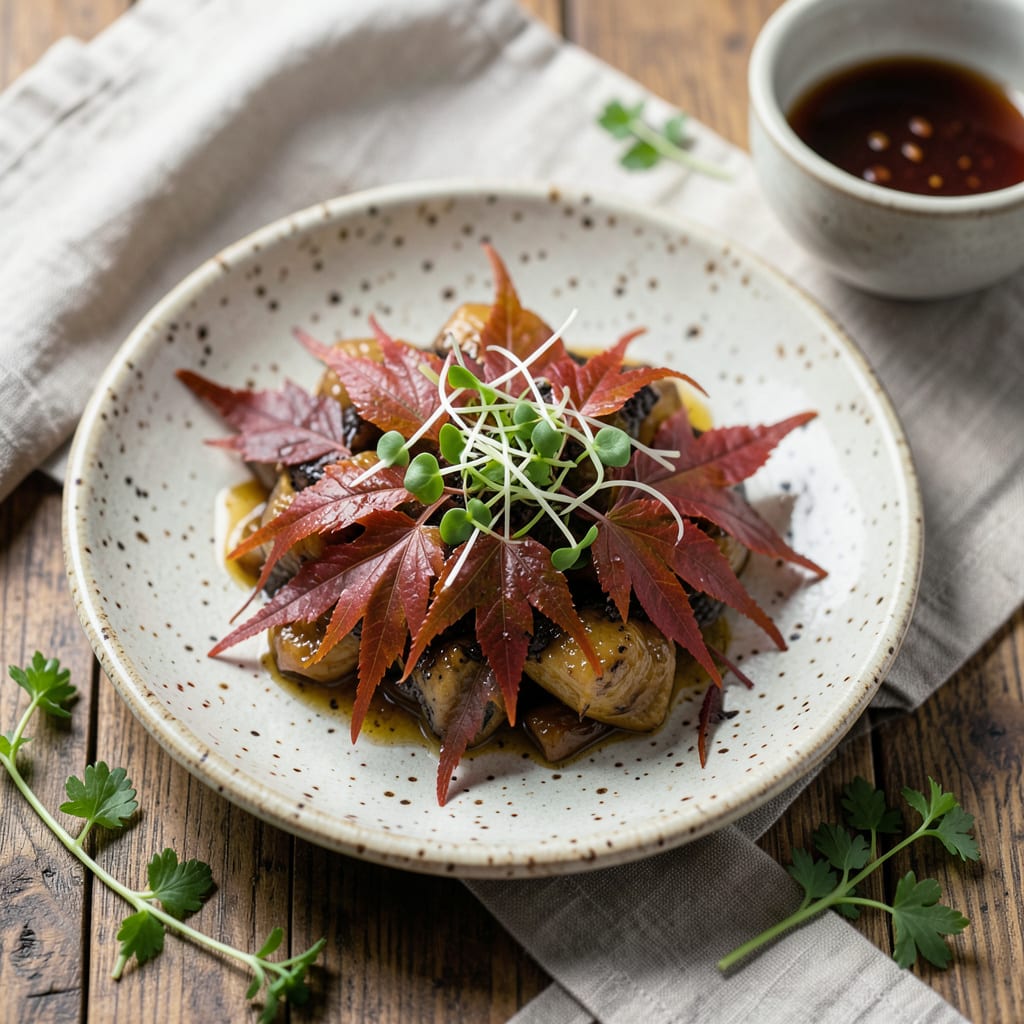
Fertilizing your Japanese Maple 🌳 at the right time is crucial for maintaining its vibrant foliage and ensuring healthy growth. I’ve learned that timing is everything when it comes to feeding these beautiful trees.
The best times to fertilize are during spring and fall, when the tree is actively growing. Let’s explore the details to keep your Japanese Maple thriving in USDA Zone 6.

Fertilizing Japanese maples requires careful timing to ensure healthy growth and maintain their vibrant foliage. The key is to fertilize during the growing season when the tree can best utilize the nutrients. 🌳
In USDA Zone 6, Japanese maples typically start growing in early spring and continue through summer, with a slowdown in fall as they prepare for dormancy. I’ll guide you through the best fertilization schedule for these seasons.
The ideal months for fertilizing Japanese maples in USDA Zone 6 are March, April, September, and October. During these months, the tree is either coming out of dormancy or preparing for it, making it more receptive to nutrients.
When choosing a fertilizer, opt for a 10-10-10 NPK balanced fertilizer. This provides equal parts nitrogen, phosphorus, and potassium, supporting overall tree health. For specific varieties or conditions, you might need to adjust the NPK ratio.
Fertilization frequency is also crucial. During the growing season, fertilize every 4-6 weeks. This consistent feeding supports continuous growth without overloading the tree with nutrients.
It’s essential to monitor your tree’s response to fertilization. Look for signs of healthy growth, such as robust leaf development and strong branch structure. If you notice any adverse reactions, such as leaf burn or excessive growth, adjust your fertilization schedule accordingly.
Soil conditions play a significant role in how Japanese maples respond to fertilization. Ensure your soil is well-draining and slightly acidic, with a pH between 5.5 and 6.5, which is ideal for these trees.
In addition to fertilization, maintaining proper watering practices is vital. Japanese maples prefer consistent moisture, especially during the growing season. Water deeply but avoid waterlogging, which can lead to root rot.
Early morning is the best time to fertilize Japanese maples. This timing allows the tree to absorb the nutrients throughout the day, maximizing their effectiveness.
By following this seasonal fertilization guide, you can help your Japanese maples thrive, enjoying their beautiful foliage and healthy growth throughout the year. 🌿
Remember, the key to successful fertilization is balance and observation. Always be prepared to adjust your fertilization schedule based on your tree’s specific needs and responses. 🔥
Proper fertilization is crucial for maintaining the health and vibrancy of Japanese maples. I’ve found that using the right fertilizer type and application method makes a significant difference.
The best fertilizer for Japanese maples is a balanced, slow-release formula. I recommend using a 10-10-10 NPK fertilizer, which provides equal parts nitrogen, phosphorus, and potassium. This balanced mix supports overall tree health and promotes healthy growth 🌳.
Apply fertilizer in early morning when the tree can best absorb the nutrients throughout the day.
When applying fertilizer, it’s essential to follow the recommended dosage. For Japanese maples, use about 1 cup of fertilizer per 10 square feet of soil surface. Adjust this amount based on the tree’s size and age.
Fertilization frequency is also important. During the growing season (spring and summer), fertilize every 4-6 weeks. This consistent feeding supports continuous growth without overloading the tree with nutrients.
To ensure you’re fertilizing correctly, monitor your tree’s response. Look for signs of healthy growth, such as robust leaf development and strong branch structure. If you notice any adverse reactions, such as leaf burn or excessive growth, adjust your fertilization schedule accordingly 🔥.
Soil conditions also play a significant role in how Japanese maples respond to fertilization. Ensure your soil is well-draining and slightly acidic, with a pH between 5.5 and 6.5, which is ideal for these trees.
By following these guidelines and using the right fertilizer type and application method, you can help your Japanese maples thrive and enjoy their beautiful foliage throughout the year 🌿.
Fertilizing Japanese maples requires careful consideration to avoid common pitfalls that can harm these beautiful trees. I’ve seen many gardeners make mistakes that can be easily avoided with the right knowledge 🌳.
One of the most significant errors is over-fertilization. Japanese maples are sensitive to excessive nutrients, which can cause leaf burn and root damage. To avoid this, always follow the recommended dosage on the fertilizer package and consider the tree’s age and size 🔥.
Avoid fertilizing during winter dormancy as it can cause unnecessary stress to the tree. Wait until new growth begins in spring before fertilizing.
Another mistake is fertilizing at the wrong time. Japanese maples benefit most from fertilization during their active growing season, which is typically in spring and early fall. Fertilizing in winter or late fall can promote new growth that may not have time to harden off before frost.
The type of fertilizer used is also crucial. Japanese maples prefer a balanced, slow-release fertilizer with an NPK ratio of 10-10-10. Avoid using high-nitrogen fertilizers, as they can promote excessive leaf growth at the expense of root development 🌿.
Soil conditions play a significant role in how Japanese maples respond to fertilization. Ensure your soil is well-draining and slightly acidic, with a pH between 5.5 and 6.5. Poor soil conditions can exacerbate the negative effects of fertilization mistakes.
By being aware of these common mistakes and taking steps to avoid them, you can help your Japanese maples thrive and enjoy their beautiful foliage for years to come 🌱.
Remember, the key to successful fertilization is balance and observation. Always monitor your tree’s response to fertilization and adjust your practices accordingly 🔥.
Fertilize your Japanese Maple every 4-6 weeks during the growing season, which typically includes spring and summer. This consistent feeding supports continuous growth without overloading the tree with nutrients. Monitor your tree’s response and adjust as necessary.
A balanced, slow-release fertilizer with an NPK ratio of 10-10-10 is ideal for Japanese Maples. This provides equal parts nitrogen, phosphorus, and potassium, supporting overall tree health and promoting healthy growth. Avoid high-nitrogen fertilizers that can cause excessive leaf growth.
No, it’s best to avoid fertilizing during winter dormancy. Fertilizing in winter can cause unnecessary stress to the tree and promote new growth that may not have time to harden off before frost. Wait until new growth begins in spring before fertilizing.
Watch for signs of leaf burn or excessive growth, which can indicate over-fertilization. If you notice these symptoms, adjust your fertilization schedule accordingly. Always follow the recommended dosage on the fertilizer package and consider the tree’s age and size.
