
Beautiful Plants For Your Interior
Beautiful Plants For Your Interior
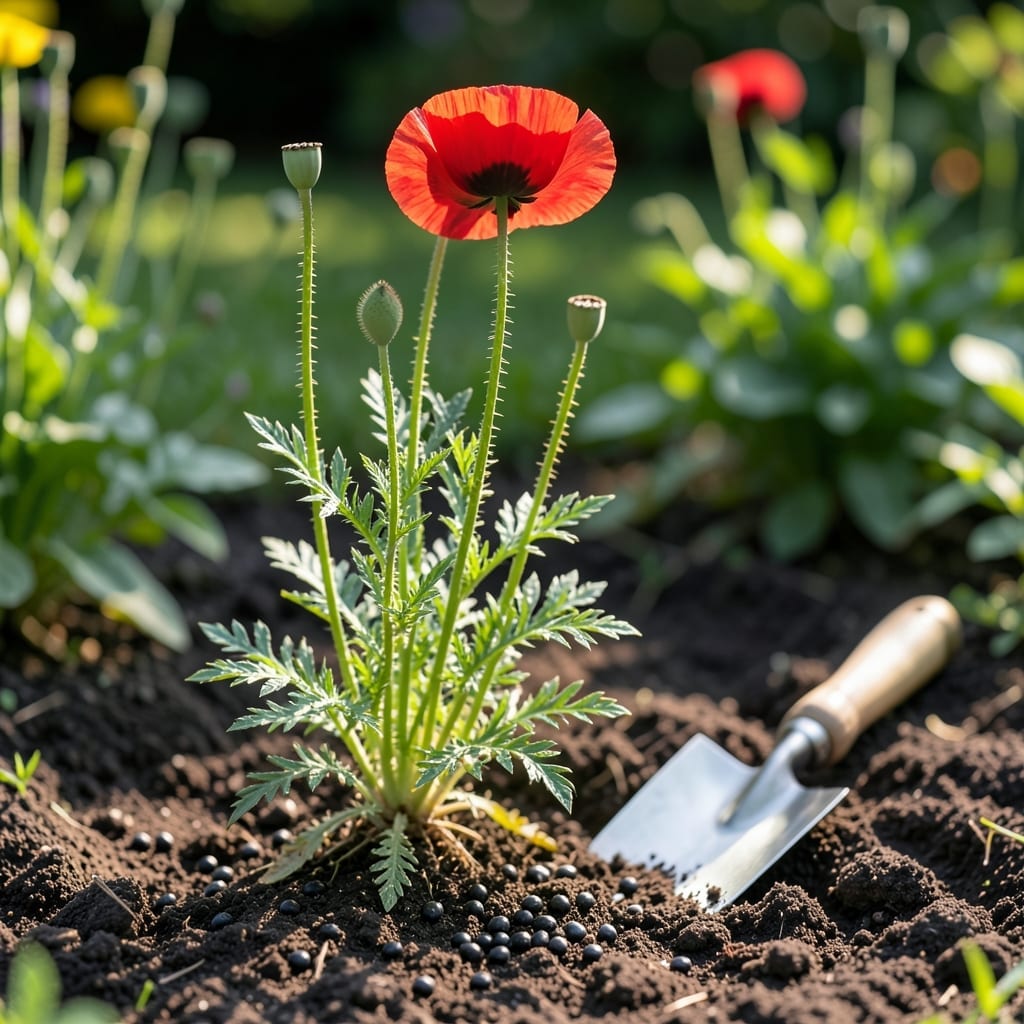
For optimal poppy growth, plant seeds in well-draining, slightly alkaline soil during early spring or fall. Ensure full sun exposure and moderate watering, avoiding over-saturation to prevent root rot.
I’ve found poppies thrive when their delicate roots can breathe in loose, well-aerated soil. The timing matters too—cool seasons give seeds the stability they need to establish before summer heat or winter cold. 🌟
What’s interesting is how poppies respond to neglect—overwatering is their biggest enemy, while drought-like conditions often bring out their most vibrant blooms.
💡 In This Article
The pH sweet spot for poppies sits between 6.5-7.5, slightly alkaline. This range unlocks essential nutrients like calcium and magnesium while preventing toxic aluminum buildup. In acidic soils below 6.0, poppies struggle to absorb phosphorus, leading to stunted growth and weak stems. 🔥
Drainage is non-negotiable. Poppy roots rot within 48 hours in waterlogged soil. Ideal compositions include 50% loam, 30% sand, and 20% compost—this mix creates air pockets while retaining just enough moisture. You can test drainage by digging a 1-foot hole, filling it with water, and watching how fast it disappears.
Anything slower than 1 inch per hour needs amendment.
Nutrient-wise, poppies are light feeders. Excess nitrogen produces lush foliage but few blooms. Aim for soil with 5-10-10 NPK ratio or lower. The real magic happens with micronutrients: boron and zinc in trace amounts boost flower vibrancy. Yellowing between leaf veins often signals magnesium deficiency in acidic conditions. ✨
Watch for trouble signs. Purple stems indicate phosphorus deficiency, common in cold, wet soils. Wilting despite moist soil suggests root rot from poor drainage. And powdery mildew thrives when poppies sit in humid, still air—another reason well-draining, breezy locations outperform sheltered spots.
For container growing, use 12-inch deep pots with drainage holes. Terracotta works best as it wicks away excess moisture. Fill with the same loam-sand-compost mix, and add a 1-inch layer of gravel at the bottom. This mimics natural conditions where poppies often grow in rocky, disturbed soils. 💫
Water lightly every 2-3 days until seeds germinate, then reduce to once a week once established. Always let soil dry between waterings to prevent rot.
Yes, use 12-inch deep pots with drainage holes and the same loam-sand-compost mix as garden beds. Terracotta works best for moisture control.
Too much nitrogen causes leafy growth but few flowers. Use 5-10-10 NPK or lower fertilizer. Also check for shade—they need full sun.
Sow seeds in late fall or early winter when soil temps drop below 70°F. Avoid summer planting as heat inhibits germination.
Deadhead spent blooms to encourage more flowers. Leave some seed pods if you want self-sowing for next year. Reduce water as plants die back.